Loading…
 🔍 Click to enlarge
fruitannual
Watermelon
Citrullus lanatus
Nothing beats a homegrown watermelon in summer. Needs space and long, hot days.
Quick Facts
Sun:☀️ Full Sun
Water:💧💧💧 High
USDA Zones:Zones 5–11
Space:🏡 Large Garden
Soil:Sandy, Loam
Best Season(s):Spring, Summer
Experience Level:🌿 Intermediate
Native Range:Africa
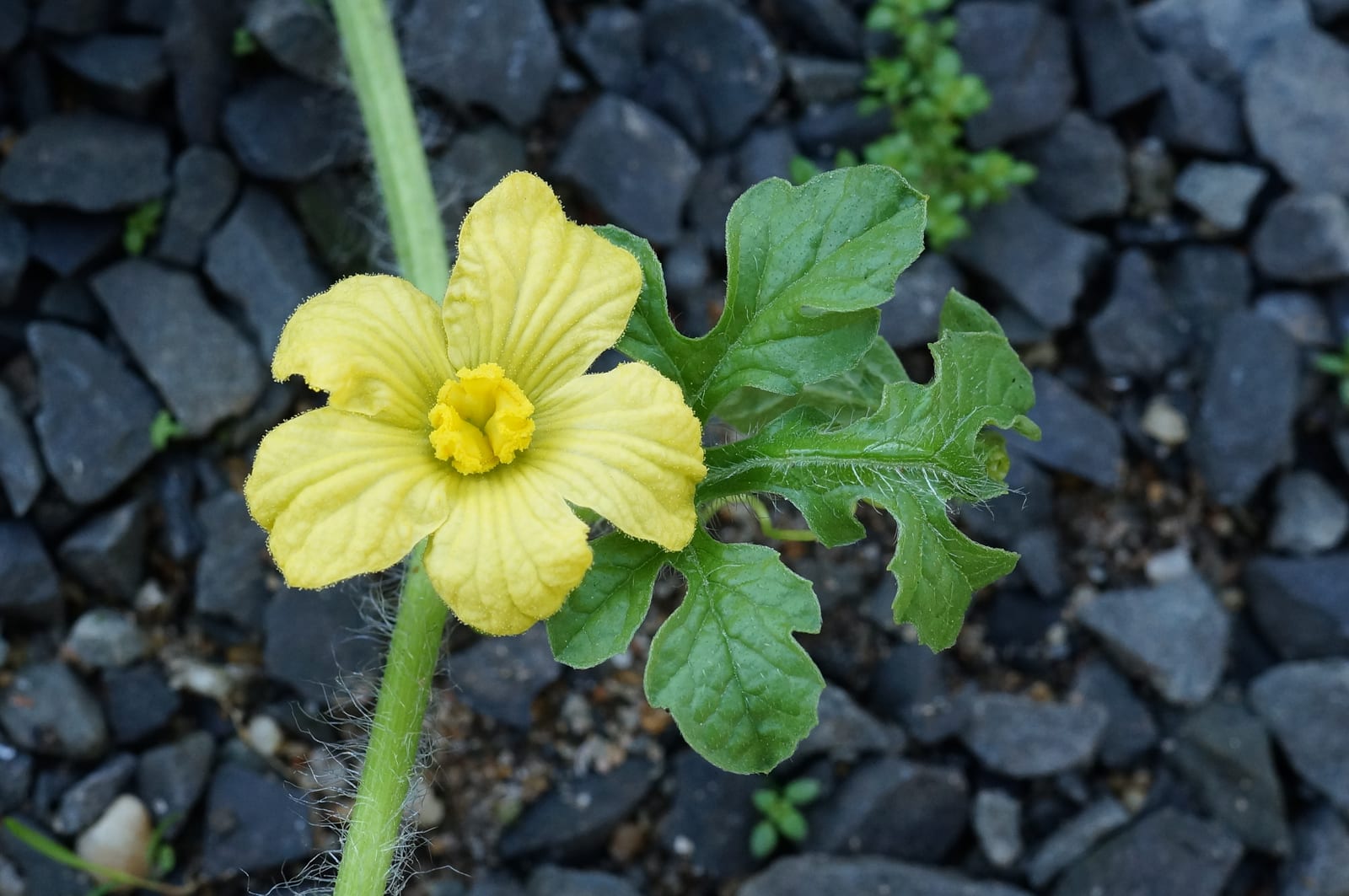
Bloom Color:Yellow flowers (grown for fruit)
Bloom Cycle:Summer, single extended flush
Days to Harvest:80–100 days
Harvest Pattern:Single harvest per planting
Care Notes
Give each vine 6+ feet to spread. Reduce watering as fruit ripens for sweeter flavor.
Growing Details
Mature Size:Vines 6-12 ft long, sprawling 6-10 ft wide footprint
Growth Rate:🐇 Fast
Zone Performance
In cooler Zones 4-6, short-season varieties (70-80 days) and black plastic mulch are essential since watermelon needs a long stretch of consistently hot weather to ripen before frost. In hot Zones 8-10, watermelon thrives with the extended heat but needs consistent irrigation, as drought stress during fruit development leads to hollow heart and poor flavor.
Companions & Wildlife
🦌 Deer Resistance
occasionally damaged
Deer will nibble young vine tips and leaves, but the sprawling, thorny-leaved growth habit makes it a lower priority browse than many vegetables.
🐝 Pollinator Value
moderate
Relies on honeybees and native bees to move pollen between separate male and female flowers; insufficient pollination causes small or misshapen melons.
Good Companions
Corn — Tall corn stalks provide light shade and a windbreak while watermelon vines sprawl beneath, making efficient use of garden space.
Nasturtium — Acts as a trap crop for aphids and cucumber beetles, drawing them away from the watermelon vines.
Radish — Fast-growing radish helps deter cucumber beetles and squash bugs that also target watermelon.
Marigold — Suppresses root-knot nematodes in the soil, which can otherwise stunt watermelon roots.
Troubleshooting
⚠️ Fruit not sweetening or ripening
Check for a dried tendril nearest the fruit and a dull rind color as ripeness cues, and reduce watering in the final week to concentrate sugars.
⚠️ Blossom end rot on developing fruit
Maintain even soil moisture, since inconsistent watering disrupts calcium uptake more than a true calcium deficiency.
⚠️ Powdery mildew late in the season
Space vines for airflow, water at the soil line, and choose mildew-resistant cultivars.
⚠️ Squash vine borer or cucumber beetle damage
Use row covers until bloom time and inspect stem bases regularly, slitting and removing borers if found.
✅ Pet Safety
Seedless flesh is non-toxic to cats and dogs; rind and seeds are harder to digest and best avoided.
Informational only — always check with a veterinarian if you suspect your pet has eaten something it shouldn't have.