Loading…
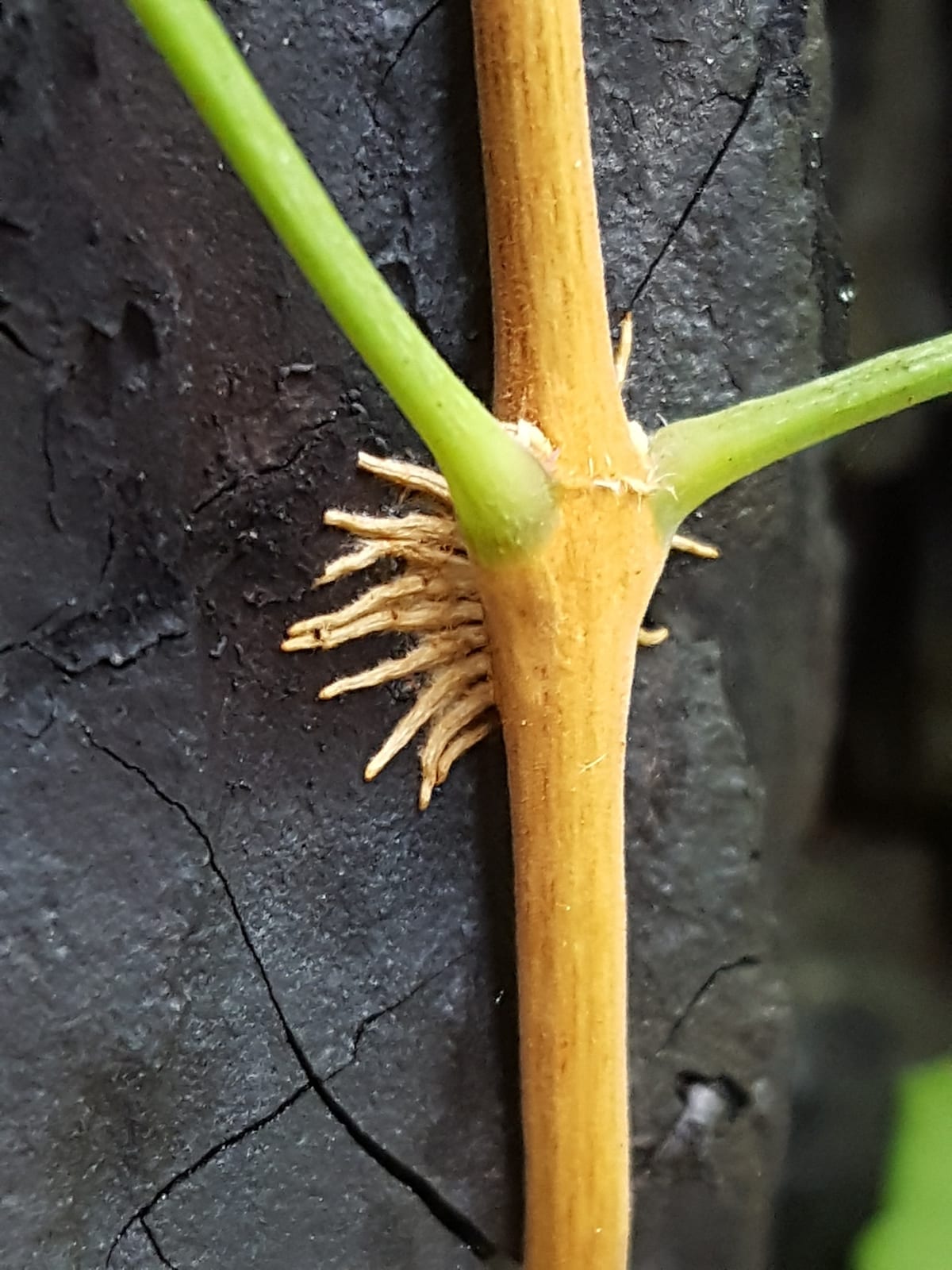 🔍 Click to enlarge
vineperennial
Trumpet Vine
Campsis radicans
Vigorous vine with vivid orange-red trumpet blooms that hummingbirds adore. Very tough.
Quick Facts
Sun:☀️ Full Sun
Water:💧 Low
USDA Zones:Zones 4–10
Space:🏡 Large Garden
Soil:Loam, Sandy, Clay, Silty
Best Season(s):Spring
Experience Level:🌱 Beginner
Native Range:Eastern & Central United States
Bloom Color:Orange-red, trumpet-shaped, hummingbird favorite
Bloom Cycle:Midsummer through fall
Care Notes
Can become invasive — remove suckers regularly. Needs very strong support. Prune hard in early spring.
Growing Details
Mature Size:25-40 ft climbing length
Growth Rate:🐇 Fast
Zone Performance
In zone 4 at its cold limit, trumpet vine may die back to the ground each winter and regrow from the root each spring rather than developing a persistent woody structure. In zones 9-10, its suckering habit becomes a genuine management challenge, often spreading many feet from the original planting and requiring yearly root-barrier maintenance.
Companions & Wildlife
🦌 Deer Resistance
seldom damaged
Trumpet vine's tough, slightly bitter foliage is generally passed over by deer in favor of softer plants.
🐝 Pollinator Value
high
One of the top hummingbird plants in North America, and also visited by bumblebees strong enough to force open the tubular blooms.
Good Companions
Bee Balm — Both are hummingbird magnets, so pairing them extends nectar availability across the growing season for the same pollinators.
Russian Sage — Drought-tolerant Russian sage at the base tolerates the same low-water, poor-soil conditions trumpet vine thrives in.
Ornamental Grass — Tough grasses like switchgrass can visually contain the aggressive vine's base without competing for the same resources it needs.
Troubleshooting
⚠️ Vine spreading via root suckers into lawn or beds
Mow or cut suckers as soon as they emerge and install a root barrier 18-24 inches deep around the planting.
⚠️ Vine pulling down its support
Use heavy steel arbors or cable trellising anchored into concrete footings rather than wood lattice or fencing.
⚠️ Sparse flowering on an otherwise vigorous vine
Prune hard in late winter to stimulate the current season's new growth, since blooms form only on new wood.
✅ Pet Safety
Generally considered non-toxic to cats and dogs, though sap can mildly irritate skin.
Informational only — always check with a veterinarian if you suspect your pet has eaten something it shouldn't have.