Loading…
 🔍 Click to enlarge
vineannual
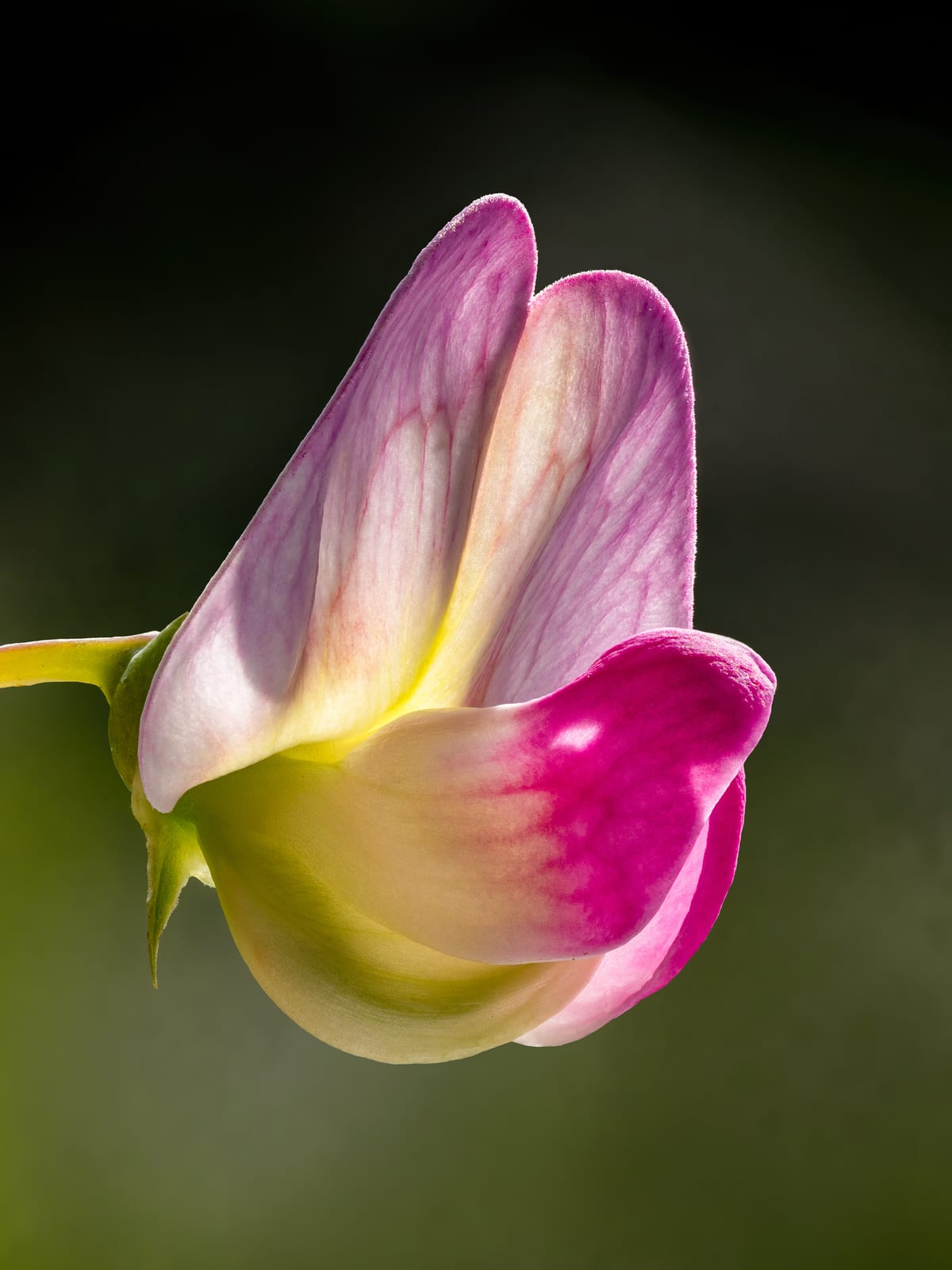
Sweet Pea
Lathyrus odoratus
Cottage garden classic with intoxicatingly fragrant, frilly blooms. Perfect cut flower.
Quick Facts
Sun:☀️ Full Sun
Water:💧💧 Moderate
USDA Zones:Zones 3–11
Space:🌱 Small Bed, 🏡 Large Garden
Soil:Loam, Silty, Clay
Best Season(s):Spring
Experience Level:🌱 Beginner
Native Range:Sicily, Southern Italy & the Aegean Islands
Bloom Color:Purple, pink, white, red, fragrant
Bloom Cycle:Cool-season — spring in most zones, fall in mild-winter climates
Care Notes
Sow seeds in early spring — they prefer cool weather. Pick frequently for continuous blooms.
Growing Details
Mature Size:6-8 ft climbing vine per season
Growth Rate:🐇 Fast
Zone Performance
In zone 3, sweet peas must be started as early as the ground can be worked, since the plant bolts and stops blooming once summer heat arrives, giving northern gardeners only a brief window. In zones 9-11, sweet peas are grown as a fall-to-winter crop, sown in autumn for late-winter and early-spring bloom before summer heat shuts them down entirely.
Companions & Wildlife
🦌 Deer Resistance
occasionally damaged
Sweet pea foliage and flowers are palatable to deer, and seeds/pods are also mildly toxic to pets, so fencing is advisable in high-pressure areas.
🐝 Pollinator Value
moderate
Bumblebees are the primary pollinators, strong enough to pry open the keel-shaped flowers that smaller bees cannot access.
Good Companions
Foxglove — Both are classic cottage garden cool-season bloomers that share similar early summer timing and informal cottage garden style.
Larkspur — Larkspur's spiky blue-purple flowers contrast nicely with sweet pea's frilly form while thriving in the same cool spring conditions.
Carrot — As a legume, sweet pea fixes nitrogen in the soil that benefits neighboring heavy feeders like carrots in a mixed cutting-and-kitchen bed.
Snapdragon — Shares sweet pea's preference for cool weather and works together in cut-flower arrangements with complementary bloom shapes.
Troubleshooting
⚠️ Plants stop blooming in early summer
This is heat-triggered bolting, not a fixable problem — pull spent plants and replant a heat-tolerant summer annual in their place.
⚠️ Powdery mildew on leaves
Space plants for airflow and water at the soil line rather than overhead, especially as temperatures rise.
⚠️ Poor flowering, mostly foliage
Avoid high-nitrogen fertilizer; use a bloom-boosting low-nitrogen feed and pick flowers frequently to prevent seed pod formation, which halts further blooming.
⚠️ Pet Safety
Seeds are toxic to cats and dogs (lathyrogenic amino acids) in significant quantity — can affect the nervous system; low risk from casual garden exposure.
Informational only — always check with a veterinarian if you suspect your pet has eaten something it shouldn't have.