Loading…
 🔍 Click to enlarge
fruitperennial
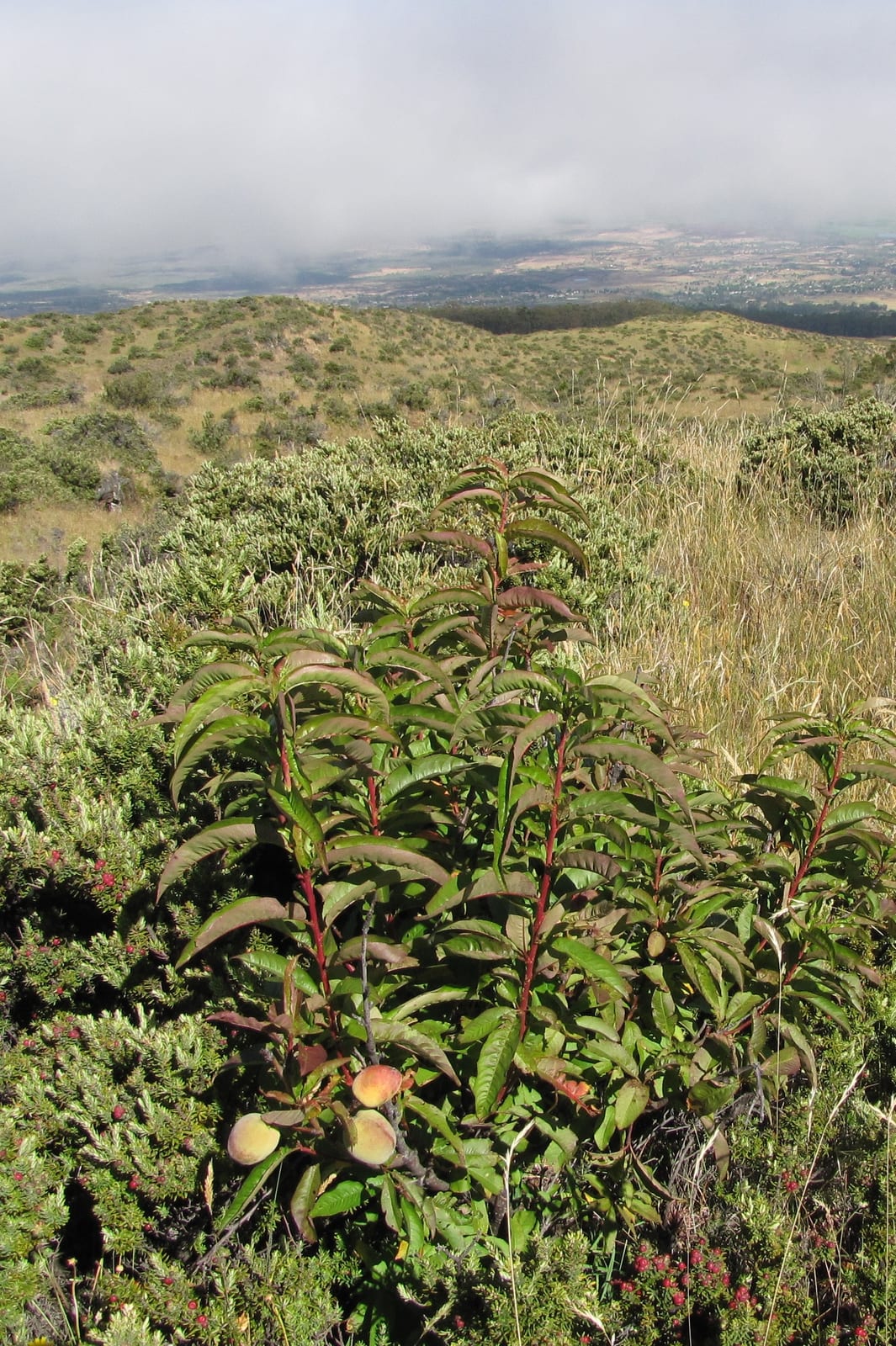
Peach Tree
Prunus persica
Nothing beats a homegrown peach warm from the tree. Produces abundantly in warm climates.
Quick Facts
Sun:☀️ Full Sun
Water:💧💧 Moderate
USDA Zones:Zones 5–9
Space:🏡 Large Garden
Soil:Loam, Sandy, Silty
Best Season(s):Spring
Experience Level:🌿 Intermediate
Native Range:Northwest China
Bloom Color:Pink blossoms
Bloom Cycle:Early spring, one dramatic flush
Days to Harvest:2–4 years from planting
Harvest Pattern:Perennial — produces year after year
Care Notes
Thin fruit to 6 inches apart for large, quality peaches. Prune annually. Watch for peach leaf curl.
Growing Details
Mature Size:15-25 ft tall, 15-20 ft wide (standard; dwarf types 6-10 ft)
Growth Rate:🐇 Fast
Zone Performance
At the cold edge (Zone 5), peach flower buds can be killed by late winter cold snaps or a hard frost after an early warm spell, since peaches bloom very early and have limited bud hardiness. At the warm edge (Zone 9), peaches need cultivars specifically bred for low chill-hour requirements, as standard Northern varieties won't set fruit reliably without enough cumulative winter chilling.
Companions & Wildlife
🦌 Deer Resistance
frequently damaged
Deer readily browse peach foliage and low branches, and can strip bark from young trunks in winter, so protective fencing is often needed.
🐝 Pollinator Value
high
Early pink spring blossoms are an important nectar source for honeybees and native mason bees emerging in early spring.
Good Companions
Garlic — Planted at the base, garlic helps repel borers and aphids that commonly attack peach trees.
Marigold — Suppresses root-knot nematodes in the soil, a significant problem for peach tree roots in sandy soils.
Comfrey — Deep-rooted comfrey mines nutrients and its cut leaves provide a nutrient-rich mulch for this heavy-feeding tree.
Southernwood — A traditional orchard herb planted near stone fruit to help deter peach tree borer moths.
Troubleshooting
⚠️ Peach leaf curl distorting and reddening leaves in spring
Apply a copper-based fungicide spray during dormancy in late winter before buds swell, since it cannot be controlled once symptoms appear.
⚠️ Fruit dropping before ripening or small fruit size
Thin fruit to about 6 inches apart when they're marble-sized, since overcropping is the most common cause of small, poor-quality peaches.
⚠️ Borers at the base of the trunk
Inspect the trunk base for gummy sap and sawdust-like frass each fall and spring, and physically remove larvae or apply preventive trunk treatments.
⚠️ Brown rot on ripening fruit
Thin fruit for airflow, remove mummified fruit from the tree and ground, and apply fungicide during bloom in humid regions.
⚠️ Pet Safety
Ripe flesh is fine in small amounts, but the pit, leaves, and stems contain cyanogenic compounds toxic to cats and dogs — always remove the pit.
Informational only — always check with a veterinarian if you suspect your pet has eaten something it shouldn't have.