Loading…
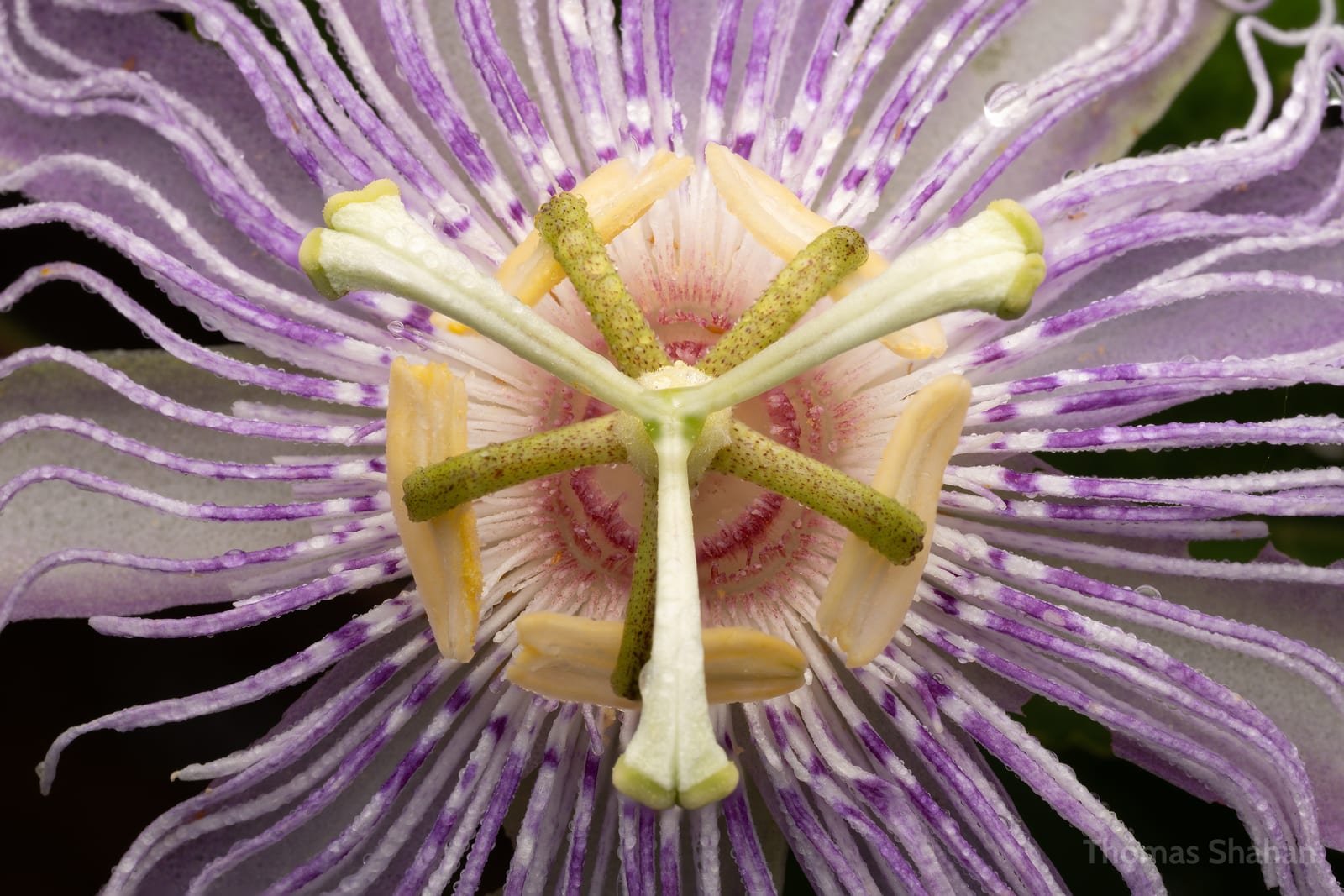 🔍 Click to enlarge
vineperennial
Passionflower
Passiflora incarnata
Exotic, intricate blooms unlike any other plant. Produces edible passion fruit in warm climates.
Quick Facts
Sun:☀️ Full Sun, ⛅ Partial Shade
Water:💧💧 Moderate
USDA Zones:Zones 6–11
Space:🌱 Small Bed, 🏡 Large Garden
Soil:Loam, Sandy, Silty
Best Season(s):Spring, Summer
Experience Level:🌿 Intermediate
Native Range:Southeastern United States
Bloom Color:Purple-white, intricate and unusual form
Bloom Cycle:Midsummer through fall
Care Notes
Spreads by underground runners — contain as needed. Host plant for Gulf Fritillary butterfly.
Growing Details
Mature Size:15-25 ft climbing vine
Growth Rate:🐇 Fast
Zone Performance
At the cold edge in zone 6, passionflower typically dies back to the ground each winter and regrows from hardy roots the following spring, delaying bloom until midsummer. In zones 9-11, it remains evergreen or semi-evergreen and blooms nearly continuously, and its spreading rhizomes require active containment to prevent it from popping up throughout nearby beds and lawn areas.
Companions & Wildlife
🦌 Deer Resistance
seldom damaged
Deer generally avoid passionflower foliage, though this claim can vary regionally with deer population pressure.
🐝 Pollinator Value
high
The unusual flower structure is specialized for large carpenter bees and is the required host plant for Gulf Fritillary and Zebra Longwing butterfly caterpillars.
Good Companions
Milkweed — Both are essential butterfly host plants — milkweed for monarchs, passionflower for Gulf Fritillary — creating a combined butterfly nursery.
Salvia — Salvia's continuous summer bloom complements passionflower's intricate but relatively short-lived individual flowers.
Coreopsis — Tolerates the same sandy, well-drained soil and full sun conditions passionflower prefers, filling the bed in front of the climbing vine.
Troubleshooting
⚠️ Gulf Fritillary caterpillars stripping foliage
This is expected and desirable — plant extra passionflower or accept temporary defoliation, as the vine regrows quickly.
⚠️ Vine spreading via runners into lawn and beds
Install a root barrier at planting time or mow/pull unwanted runners as soon as they appear.
⚠️ No flowers on an otherwise healthy vine
Ensure full sun exposure and be patient with young plants, which may take a full season or two to reach flowering size.
✅ Pet Safety
Generally considered non-toxic to cats and dogs; ripe fruit is edible for humans.
Informational only — always check with a veterinarian if you suspect your pet has eaten something it shouldn't have.
🌿 Traditional & Medicinal Use
Clinical evidence supports traditional use for anxiety/sleep support — see the Medicinal Herb Garden guide for detail and a benzodiazepine-interaction caution.
Informational only, not medical advice — consult a healthcare provider before using any plant medicinally.