Loading…
 🔍 Click to enlarge
fruitperennial
Lemon Tree
Citrus limon
Evergreen citrus tree that fruits year-round in warm climates. Dwarf varieties work in pots.
Quick Facts
Sun:☀️ Full Sun
Water:💧💧 Moderate
USDA Zones:Zones 9–11
Space:🪴 Container, 🏡 Large Garden
Soil:Loam, Sandy
Best Season(s):Spring
Experience Level:🌿 Intermediate
Native Range:South Asia
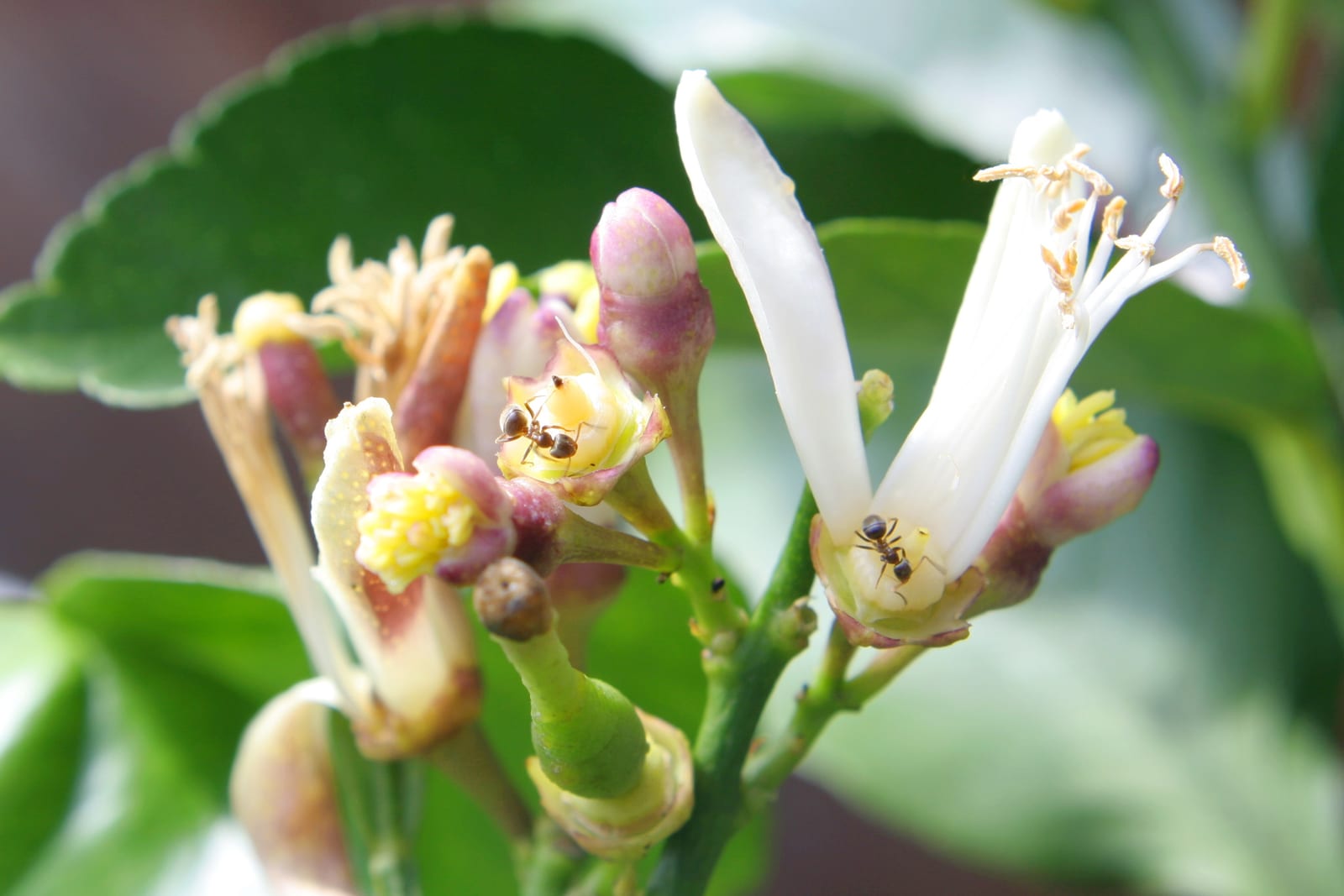
Bloom Color:White, fragrant blossoms
Bloom Cycle:Can bloom multiple times a year in mild climates or as a houseplant
Days to Harvest:6–9 months per fruit cycle
Harvest Pattern:Perennial — produces year after year
Care Notes
Needs frost protection. Feed with citrus fertilizer regularly. Meyer lemons are best for containers.
Growing Details
Mature Size:10-20 ft tall, 10-15 ft wide (standard); dwarf/container types 3-6 ft
Growth Rate:🌿 Moderate
Zone Performance
Lemon trees are only reliably hardy outdoors in Zones 9-11; at the cold edge (Zone 9) unexpected freezes below 28°F can cause serious damage or death, so frost cloth or temporary structures are needed on cold nights. In the warmest parts of Zone 11, consistent heat and humidity actually support near-continuous flowering and fruiting, but trees need regular deep watering to keep up with the extended growing season.
Companions & Wildlife
🦌 Deer Resistance
seldom damaged
The tough, aromatic, citrus-scented foliage is generally unappealing to deer, though hungry animals may occasionally browse young growth.
🐝 Pollinator Value
moderate
Fragrant blossoms attract honeybees and are especially valued as a nectar source in warm climates where citrus blooms much of the year.
Good Companions
Marigold — Deters nematodes and aphids in the root zone and around the canopy of citrus trees.
Comfrey — Deep roots pull up nutrients and its chopped leaves make an excellent nutrient-rich mulch for heavy-feeding citrus.
Nasturtium — Acts as a trap crop for aphids, drawing them away from tender new citrus growth.
Lavender — Shares similar well-drained soil preferences and attracts pollinators to the fragrant citrus blossoms.
Troubleshooting
⚠️ Yellowing leaves with green veins
Usually indicates an iron or nitrogen deficiency; apply a citrus-specific fertilizer formulated with chelated micronutrients.
⚠️ Sooty black mold on leaves
Control the aphids or scale insects producing the honeydew that the mold grows on, using horticultural oil sprays.
⚠️ Fruit drop before ripening
Maintain consistent watering, since alternating drought and overwatering is the most common cause of premature fruit drop.
⚠️ Cold damage to leaves or branches
Move container trees indoors or cover in-ground trees with frost cloth whenever temperatures threaten to drop below 28°F.
⚠️ Pet Safety
Toxic to cats and dogs (psoralens, essential oils in peel/leaves) — can cause GI upset and photosensitivity; fruit flesh in tiny amounts is low-risk but not recommended.
Informational only — always check with a veterinarian if you suspect your pet has eaten something it shouldn't have.
🌿 Traditional & Medicinal Use
Fruit is a well-documented dietary source of vitamin C — food value, not a medicinal preparation.
Informational only, not medical advice — consult a healthcare provider before using any plant medicinally.