Loading…
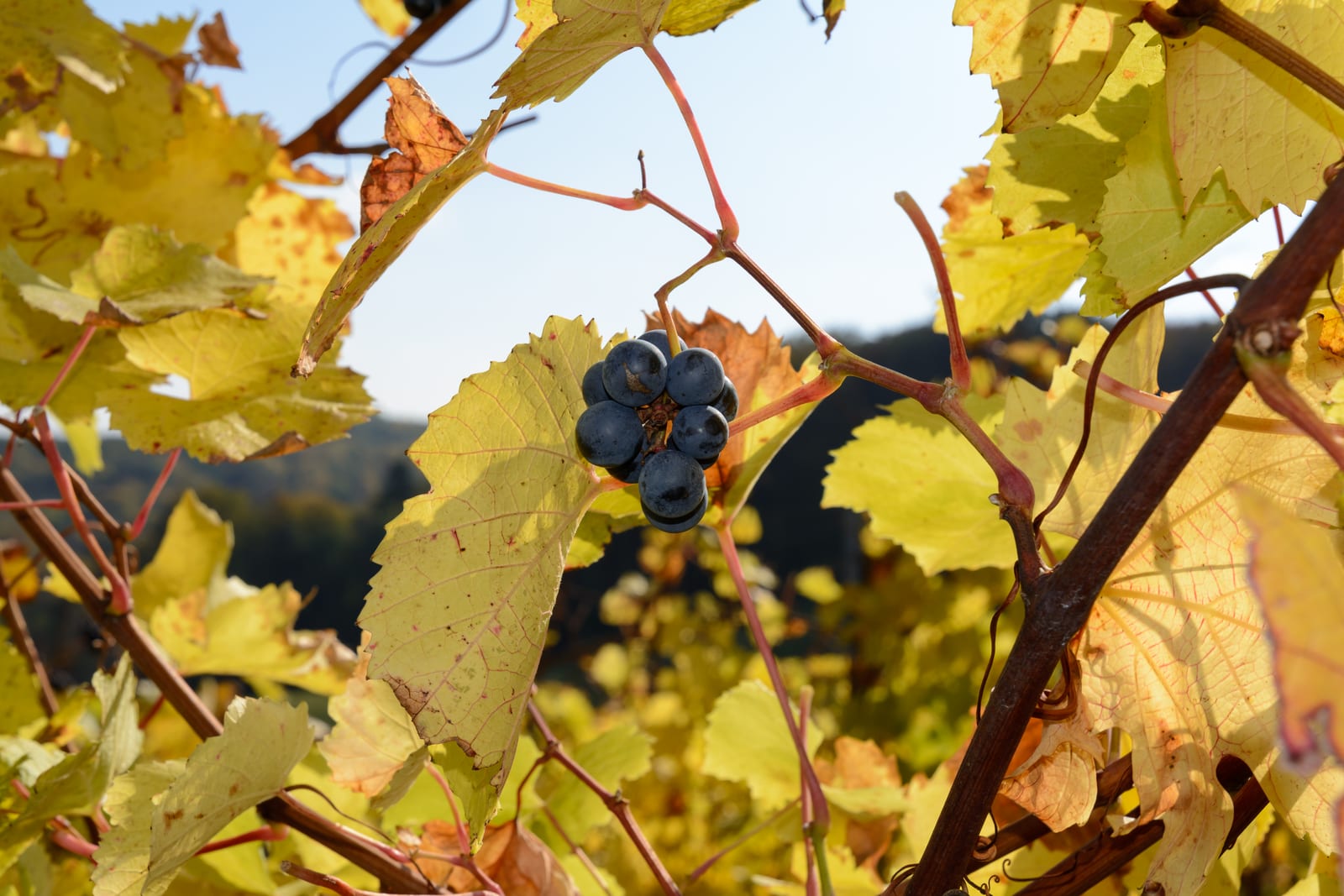 🔍 Click to enlarge
fruitperennial
Grape
Vitis vinifera
Versatile vine for eating fresh, making wine, or drying as raisins. Long-lived and productive.
Quick Facts
Sun:☀️ Full Sun
Water:💧 Low
USDA Zones:Zones 4–10
Space:🌱 Small Bed, 🏡 Large Garden
Soil:Loam, Sandy, Chalky
Best Season(s):Spring
Experience Level:🌿 Intermediate
Native Range:Mediterranean Basin & Central Asia
Bloom Color:Small, inconspicuous green flowers (grown for fruit)
Bloom Cycle:Late spring
Days to Harvest:Year 2–3 for first fruit
Harvest Pattern:Perennial — produces year after year
Care Notes
Requires sturdy trellis or arbor. Annual pruning is essential for fruit production.
Growing Details
Mature Size:Vines 15-20+ ft long on a trellis, trained to a 6-8 ft wide canopy
Growth Rate:🐇 Fast
Zone Performance
In Zone 4-5, only cold-hardy American or hybrid cultivars (like Concord or Marquette) survive winter reliably, since European wine grapes (Vitis vinifera) suffer bud and trunk damage below about -10°F. In Zone 9-10, grapes need adequate winter chilling to break dormancy properly and set fruit, so warm-climate growers should choose low-chill or muscadine-type cultivars suited to mild winters.
Companions & Wildlife
🦌 Deer Resistance
frequently damaged
Deer readily browse tender new grape shoots and leaves in spring, which can significantly reduce that year's crop; fencing is often necessary.
🐝 Pollinator Value
low
Grape flowers are mostly self-pollinating and wind-pollinated, offering little nectar, though bees will occasionally visit for pollen.
Good Companions
Chives — Planted around the base, chives help deter Japanese beetles and other pests that target grape foliage.
Hyssop — Attracts beneficial predatory insects and is a traditional vineyard companion said to improve grape growth.
Clover — Used as a living groundcover between rows to fix nitrogen and suppress weeds without competing for water at depth.
Roses — Classic vineyard practice — roses planted at row ends act as an early-warning indicator for powdery mildew, since they show symptoms before the vines.
Troubleshooting
⚠️ Powdery mildew coating leaves and fruit
Prune for an open canopy to improve airflow and apply sulfur or fungicide sprays starting at bud break in humid climates.
⚠️ Birds stripping ripening clusters
Cover ripening fruit clusters with netting as color begins to change.
⚠️ Black rot causing shriveled, mummified berries
Remove and destroy infected mummies and fallen debris, and apply preventive fungicide sprays during wet spring weather.
⚠️ Poor fruiting on overly vigorous vines
Follow an annual dormant pruning regimen, since unpruned vines put energy into leafy growth instead of fruit.
⚠️ Pet Safety
Highly toxic to dogs specifically (can cause acute kidney failure even in small amounts) — never give grapes or raisins to a dog; keep vines out of reach.
Informational only — always check with a veterinarian if you suspect your pet has eaten something it shouldn't have.