Loading…
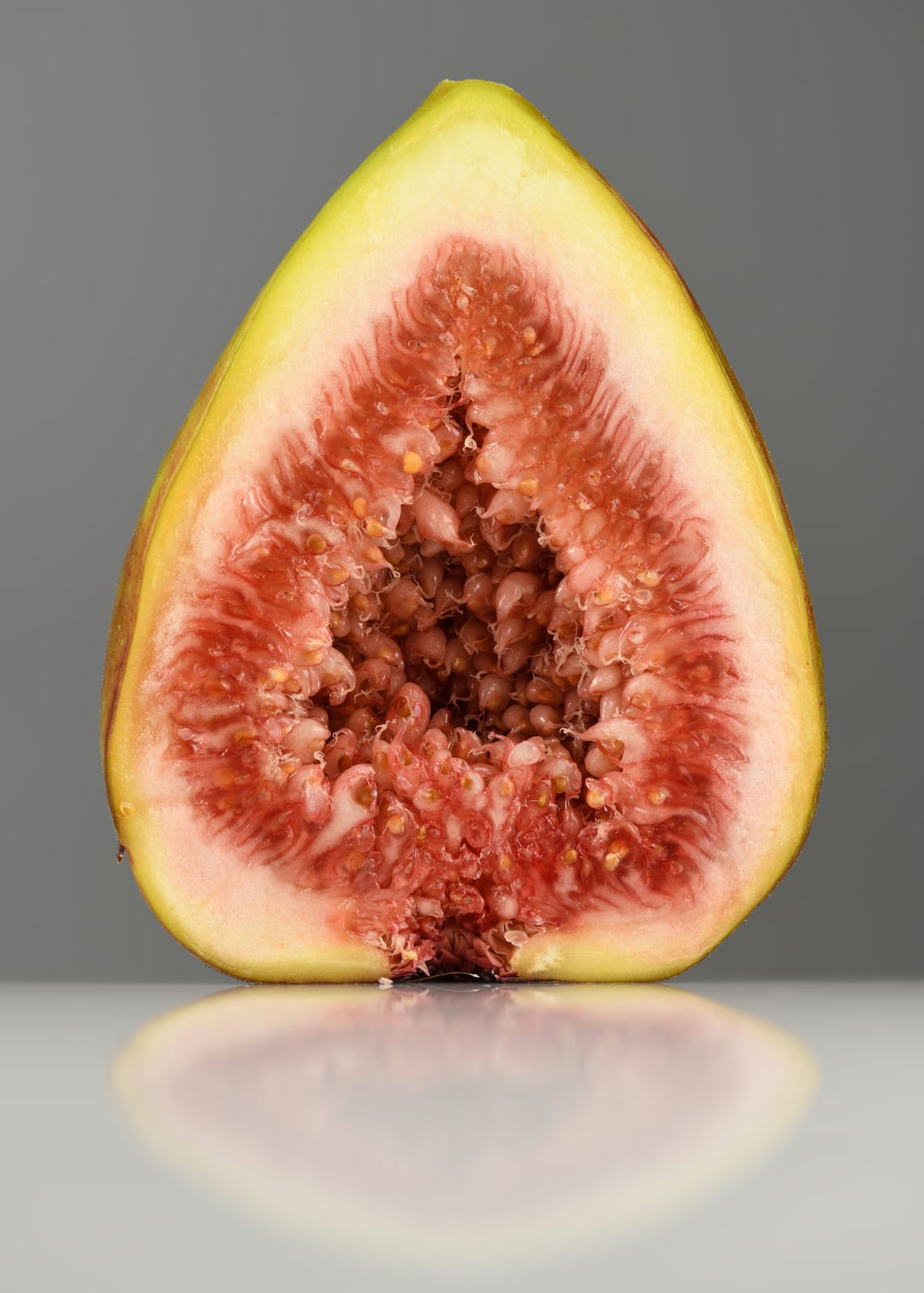 🔍 Click to enlarge
fruitperennial
Fig Tree
Ficus carica
Ancient, beautiful fruit tree with minimal care needs. Figs in containers can be overwintered indoors.
Quick Facts
Sun:☀️ Full Sun
Water:💧 Low
USDA Zones:Zones 7–11
Space:🪴 Container, 🌱 Small Bed, 🏡 Large Garden
Soil:Loam, Sandy, Chalky
Best Season(s):Spring
Experience Level:🌱 Beginner
Native Range:Western Asia & Eastern Mediterranean
Bloom Color:Flowers are enclosed inside the fruit itself and never seen
Bloom Cycle:Fruit forms without a visible external bloom
Days to Harvest:1–2 years from planting
Harvest Pattern:Perennial — produces year after year
Care Notes
Avoid high-nitrogen fertilizer — promotes leaves over fruit. In cold zones, grow in containers to overwinter.
Growing Details
Mature Size:10-30 ft tall, 10-20 ft wide in warm climates (often kept to 6-10 ft with pruning or container culture)
Growth Rate:🐇 Fast
Zone Performance
In Zone 7-8 (the cold edge), figs typically die back to the ground in hard winters and regrow from the roots, so growers often choose hardy cultivars like Chicago Hardy and apply heavy winter mulch or wrapping. In Zone 10-11, figs grow vigorously nearly year-round and can produce two crops (breba and main) per season, but need consistent watering during fruit development to prevent split or dropped fruit.
Companions & Wildlife
🦌 Deer Resistance
seldom damaged
The milky sap and tough leaves make fig relatively unappealing to deer, though hungry animals may occasionally sample ripe fruit.
🐝 Pollinator Value
none
Common fig cultivars grown in home gardens are self-fertile and don't rely on the specialized fig wasp needed for Smyrna-type figs, so they offer little practical pollinator value.
Good Companions
Rosemary — Shares the same preference for lean, well-drained soil and minimal water once established, making a low-maintenance pairing.
Lavender — Tolerates similar dry, sunny conditions and helps mask the fig from some browsing pests with its strong scent.
Comfrey — Its chopped leaves make a good occasional mulch, though should be used sparingly to avoid encouraging excess nitrogen-driven leaf growth.
Society Garlic — Tolerates the same dry, sunny conditions at the base of the tree while helping deter some pest insects.
Troubleshooting
⚠️ Fruit splitting on the tree
Maintain even soil moisture, since irregular watering (drought followed by heavy rain or irrigation) is the main cause of splitting.
⚠️ Winter dieback of branches
In marginal zones, wrap the trunk and lower branches with burlap and mulch heavily, or grow in a container that can be moved to shelter.
⚠️ Excess leafy growth with little fruit
Avoid high-nitrogen fertilizer, which pushes vegetative growth at the expense of fruiting; use a balanced or low-nitrogen feed instead.
⚠️ Rust or leaf spot in humid climates
Improve air circulation through pruning and remove and destroy fallen infected leaves at the end of the season.
⚠️ Pet Safety
Sap and unripe fruit are irritating to cats and dogs (ficin, psoralens) — can cause GI upset and skin irritation; ripe fruit in small amounts is lower-risk.
Informational only — always check with a veterinarian if you suspect your pet has eaten something it shouldn't have.