Loading…
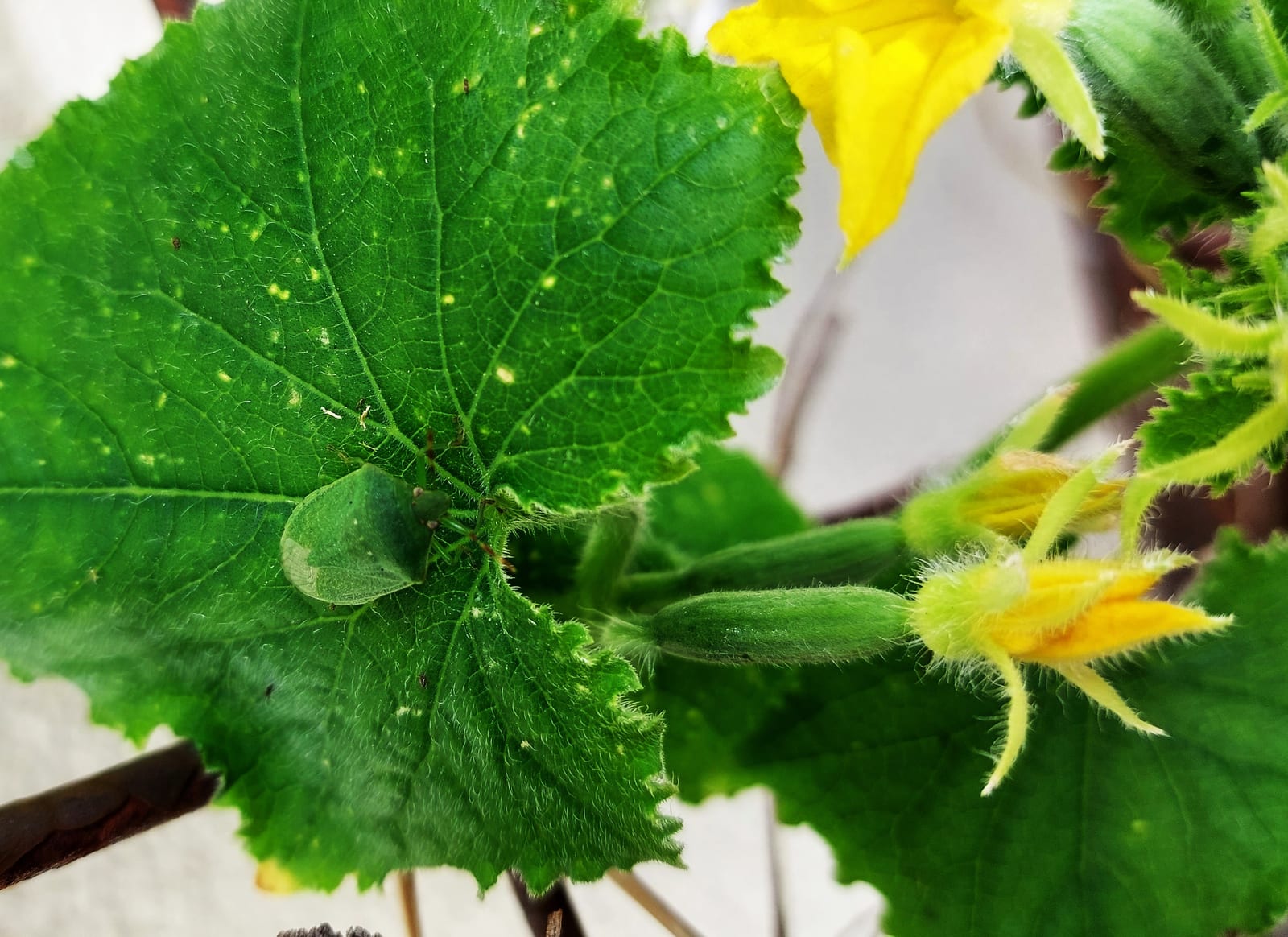 🔍 Click to enlarge
fruitannual💧 Hydroponic-Compatible
Cucumber
Cucumis sativus
Fast-growing warm-season vine. Prolific producer in hot summer weather.
Quick Facts
Sun:☀️ Full Sun
Water:💧💧💧 High
USDA Zones:Zones 4–11
Space:🌱 Small Bed, 🏡 Large Garden
Soil:Loam, Sandy, Silty
Best Season(s):Spring, Summer
Experience Level:🌱 Beginner
Native Range:South Asia
Bloom Color:Yellow flowers (grown for fruit)
Bloom Cycle:Continuous through summer
Days to Harvest:40–60 days in hydro
Harvest Pattern:Continuous / cut-and-come-again
Care Notes
Trellis vining types. Harvest often to keep plants producing.
💧 Hydroponic Notes
Excellent in DWC or ebb & flow. Needs a vertical trellis. Mini or bush varieties are best suited for indoor hydro. Prefers warm temps (70–80°F).
Growing Details
Mature Size:Vines 4-8 ft long (bush types 1-2 ft), trellised plants take up 1-2 sq ft footprint
Growth Rate:🐇 Fast
Zone Performance
In cooler Zones 4-5, cucumbers need soil warmed to at least 65°F before direct-sowing and benefit from black plastic mulch to speed growth in a shorter season. In hot Zones 9-11, spring plantings can bolt or turn bitter once temperatures exceed the mid-90s, so growers often plant a fall crop for better flavor and fewer bitter fruits.
Companions & Wildlife
🦌 Deer Resistance
frequently damaged
Deer readily browse cucumber foliage and vines, often before fruit even sets, so fencing is typically necessary.
🐝 Pollinator Value
moderate
Separate male and female flowers rely on honeybees and native squash bees for pollination; poor pollination causes misshapen fruit.
Good Companions
Green Bean — Classic pairing — beans fix nitrogen that benefits the heavier-feeding cucumber.
Radish — Radish is a classic trap crop for cucumber beetles, drawing pest pressure away from the cucumber.
Troubleshooting
⚠️ Bacterial wilt causing sudden vine collapse
Control cucumber beetles early, since they vector the wilt bacteria — use row covers until bloom and remove infected vines immediately.
⚠️ Powdery mildew on leaves late season
Choose resistant varieties, water at the base rather than overhead, and ensure good air circulation between plants.
⚠️ Bitter-tasting fruit
Keep soil consistently moist, since inconsistent watering and heat stress are the main causes of bitterness (cucurbitacin buildup).
⚠️ Poor fruit set or misshapen cucumbers
Ensure adequate pollinator activity and avoid spraying insecticides during flowering.
✅ Pet Safety
Fruit is non-toxic to cats and dogs — a common low-calorie treat.
Informational only — always check with a veterinarian if you suspect your pet has eaten something it shouldn't have.