Loading…
 🔍 Click to enlarge
fruitperennial
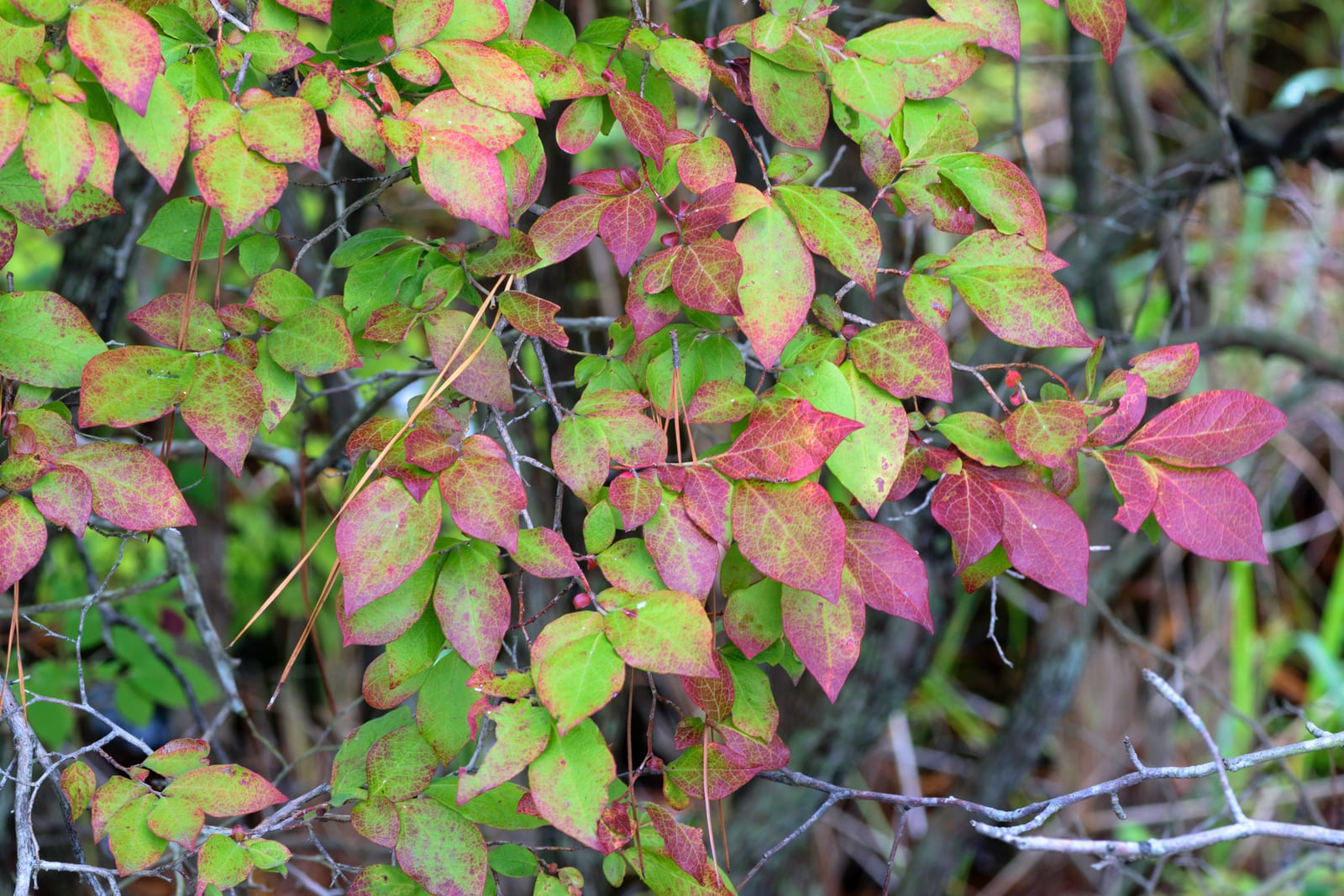
Blueberry
Vaccinium corymbosum
Long-lived shrub that rewards patience with abundant berries. Needs acidic soil.
Quick Facts
Sun:☀️ Full Sun
Water:💧💧 Moderate
USDA Zones:Zones 4–9
Space:🌱 Small Bed, 🏡 Large Garden
Soil:Peaty, Sandy, Loam
Best Season(s):Spring
Experience Level:🌿 Intermediate
Native Range:Eastern North America
Bloom Color:White to pale pink, bell-shaped
Bloom Cycle:Spring
Days to Harvest:Year 2–3 for full harvest
Harvest Pattern:Perennial — produces year after year
Care Notes
Soil pH must be 4.5–5.5. Plant two varieties for better pollination.
Growing Details
Mature Size:6-8 ft tall, 4-6 ft wide (highbush type)
Growth Rate:🐢 Slow
Zone Performance
At the cold edge (Zone 4), choose half-high or northern highbush cultivars bred for hardiness, and expect some flower bud loss in harsh winters without snow cover. At the warm edge (Zone 9), northern highbush struggles with insufficient winter chill hours, so southern highbush or rabbiteye types are needed to set fruit reliably.
Companions & Wildlife
🦌 Deer Resistance
occasionally damaged
Deer will browse tender new growth and ripening fruit when other food is scarce, so fencing is wise in rural areas.
🐝 Pollinator Value
high
Bumblebees are especially effective pollinators of blueberry's bell-shaped flowers via buzz pollination, and native mining bees also visit heavily.
Good Companions
Rhododendron — Shares the same acidic, well-drained soil requirements, making it easy to group in a coordinated planting bed.
Azalea — Both are shallow-rooted, acid-loving shrubs that thrive under the same mulching and watering regimen.
Ferns — Tolerate the same moist, acidic, humus-rich soil and provide attractive underplanting without competing for nutrients.
Clover — A living mulch that fixes some nitrogen and attracts pollinators to the blueberry patch during bloom.
Troubleshooting
⚠️ Yellowing leaves with green veins (chlorosis)
Almost always caused by soil pH above 5.5; apply elemental sulfur or an acidifying fertilizer to bring pH down to 4.5-5.5.
⚠️ Poor fruit set
Plant at least two different cultivars for cross-pollination, since most blueberries produce more and larger fruit with a pollinator partner.
⚠️ Birds stripping ripening berries
Cover bushes with bird netting as fruit begins to color, well before full ripeness.
⚠️ Mummy berry disease (shriveled, tan fruit)
Rake and destroy fallen mummified berries and leaf litter each fall to break the disease cycle.
✅ Pet Safety
Fruit is non-toxic to cats and dogs; a common antioxidant-rich treat.
Informational only — always check with a veterinarian if you suspect your pet has eaten something it shouldn't have.
🌿 Traditional & Medicinal Use
A well-documented dietary source of antioxidants (anthocyanins) — food value, not a medicinal preparation.
Informational only, not medical advice — consult a healthcare provider before using any plant medicinally.