Loading…
 🔍 Click to enlarge
flowerannual
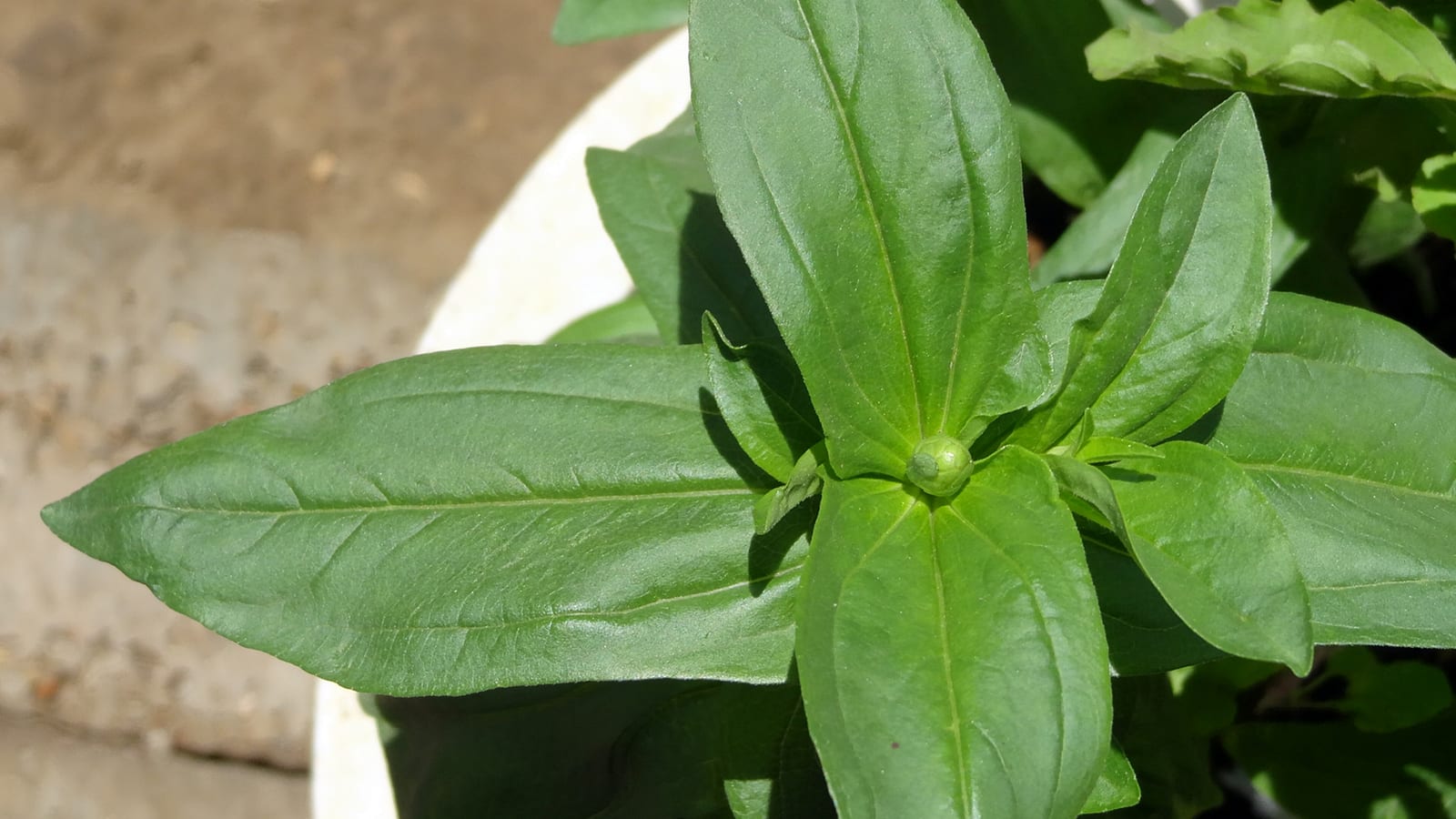
Zinnia
Zinnia elegans
Vibrant, easy-to-grow annual that attracts butterflies. Great for cut flowers.
Quick Facts
Sun:☀️ Full Sun
Water:💧 Low
USDA Zones:Zones 3–11
Space:🪴 Container, 🌱 Small Bed, 🏡 Large Garden
Soil:Loam, Sandy, Silty
Best Season(s):Spring, Summer
Experience Level:🌱 Beginner
Native Range:Mexico
Bloom Color:Red, pink, orange, yellow, purple, white
Bloom Cycle:Early summer through frost, continuous
Care Notes
Direct sow after last frost. Provide good air circulation to prevent powdery mildew.
Growing Details
Mature Size:1-4 ft tall, 1-1.5 ft wide depending on variety
Growth Rate:🐇 Fast
Zone Performance
As a fast, heat-loving annual, zinnia performs the same basic way from zone 3 to 11 once soil has warmed after last frost; the practical difference is length of season, with cooler zones getting a single strong summer flush while hot zones (9-11) can direct sow a second succession in midsummer for continued fall bloom, though high humidity anywhere increases the risk of powdery mildew.
Companions & Wildlife
🦌 Deer Resistance
occasionally damaged
Deer will browse zinnia blooms and foliage when other food is scarce, but it isn't a preferred favorite compared to more tender annuals.
🐝 Pollinator Value
high
Single and semi-double zinnias are outstanding butterfly plants, drawing monarchs, swallowtails, and skippers along with bees throughout the summer.
Good Companions
Cosmos — Both are heat-loving, low-maintenance annuals that bloom continuously through summer with similar lean-soil, full-sun needs.
Marigold — Shares zinnia's love of full sun and helps deter common garden pests, making a classic cutting-garden pairing.
Basil — The strong scent of basil helps mask zinnia foliage from Japanese beetles while both enjoy the same hot, sunny growing conditions.
Sunflower — Provides height and structure behind shorter zinnia plantings while attracting the same pollinators and beneficial insects.
Troubleshooting
⚠️ Powdery mildew coating leaves in humid weather
Choose mildew-resistant varieties, space plants for airflow, and water at the soil line rather than overhead.
⚠️ Japanese beetles skeletonizing foliage and flowers
Hand-pick beetles into soapy water in early morning during peak beetle season.
⚠️ Leggy, sparse plants
Pinch young plants when they reach 6-8 inches tall to encourage branching and more flowers.
⚠️ Slowed blooming in midsummer
Deadhead spent flowers regularly and side-dress with compost to keep plants producing new buds.
✅ Pet Safety
Non-toxic to cats and dogs.
Informational only — always check with a veterinarian if you suspect your pet has eaten something it shouldn't have.