Loading…
 🔍 Click to enlarge
shrubperennial
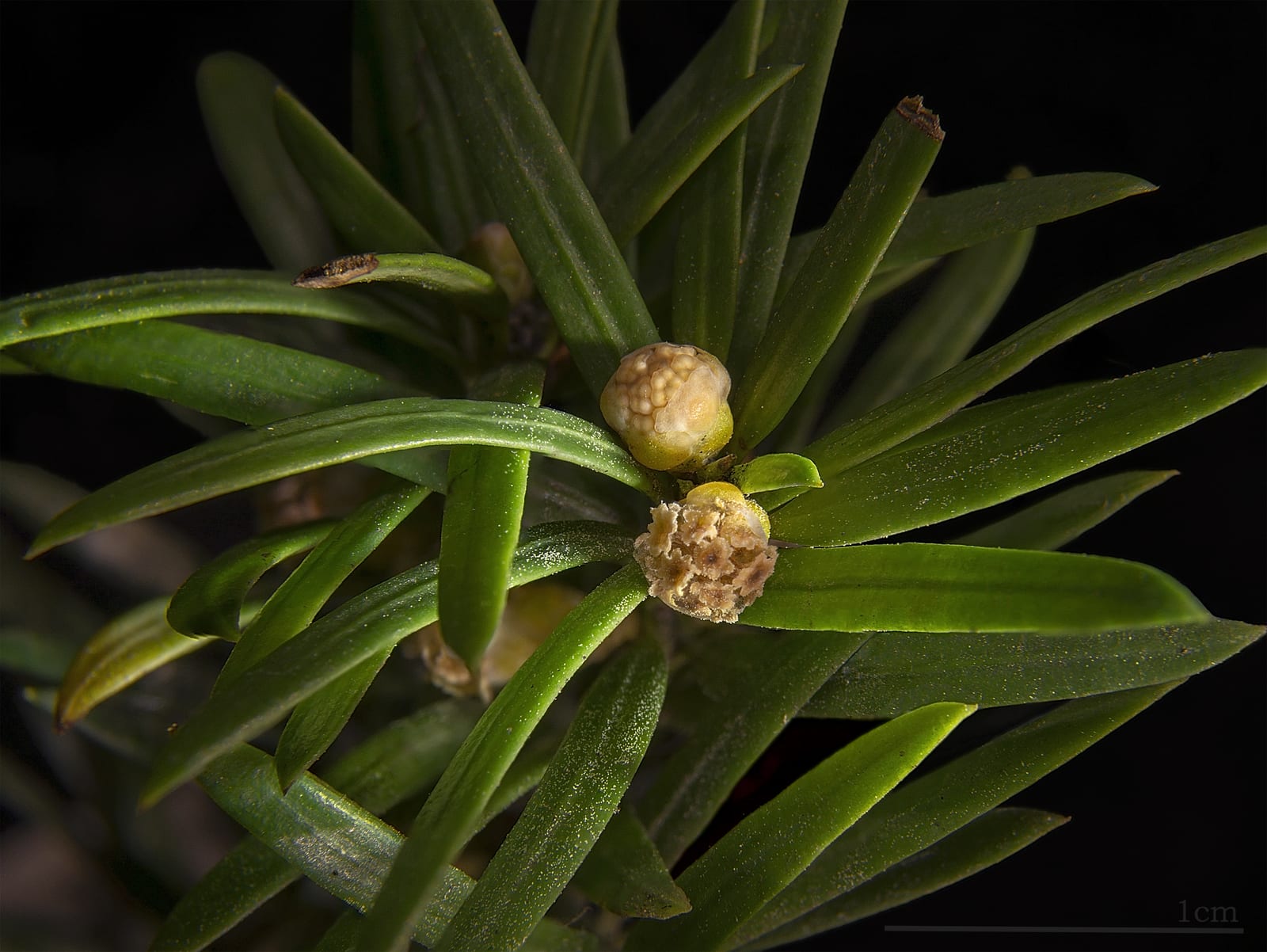
Yew
Taxus spp.
Dark, dense evergreen classic for hedges and foundation planting — one of the few conifers that thrives in shade.
Quick Facts
Sun:☀️ Full Sun, ⛅ Partial Shade, 🌑 Full Shade
Water:💧💧 Moderate
USDA Zones:Zones 4–7
Space:🌱 Small Bed, 🏡 Large Garden
Soil:Loam, Clay, Silty
Best Season(s):Spring, Fall
Experience Level:🌱 Beginner
Native Range:Northern Hemisphere (widespread, species-dependent)
Bloom Cycle:Inconspicuous, not grown for bloom
Care Notes
Tolerates heavy, formal shearing better than almost any other conifer. All parts except the red aril are toxic if ingested.
Growing Details
Mature Size:3-20 ft tall, 3-15 ft wide depending on cultivar (spreading forms like Taxus x media 'Densiformis' stay 3-4 ft; upright forms reach much taller)
Growth Rate:🐢 Slow
Zone Performance
At the cold edge of zone 4, Yew can suffer winter burn on foliage exposed to harsh sun and wind, so a sheltered or partially shaded site is safer in the coldest parts of its range. In zone 7, the warmer, more humid conditions increase the risk of root rot, making sharp drainage even more critical than in cooler zones.
Companions & Wildlife
🦌 Deer Resistance
frequently damaged
Yew is one of deer's favorite winter browse plants despite being toxic, and unprotected plants in high-pressure areas are often stripped of foliage.
🐝 Pollinator Value
none
Yew is wind-pollinated with inconspicuous flowers and offers no meaningful nectar or pollen resource, though birds do eat the fleshy red aril around the toxic seed.
Good Companions
Hosta — Both tolerate deep shade and share similar moisture needs, with Hosta's broad foliage softening the base of a sheared Yew hedge.
Astilbe — Thrives in the same shaded, evenly moist conditions and adds summer bloom color that Yew's dark evergreen foliage lacks.
Bergenia — Tolerant of the same shade and offers year-round foliage interest plus early spring bloom at Yew's base.
Troubleshooting
⚠️ Root rot in heavy or poorly drained soil
Plant in well-drained soil or a raised bed and avoid overwatering, since Yew is notably intolerant of wet feet.
⚠️ Deer browsing foliage down to bare stems in winter
Install fencing or apply deer repellent starting in fall, since Yew is a top winter food source for deer despite its toxicity.
⚠️ Winter burn and bronzed foliage on exposed plants
Site out of direct winter wind and reflected sun, or apply an anti-desiccant spray before the ground freezes.
⚠️ Pet Safety
Highly toxic to cats, dogs, and humans — nearly all parts except the fleshy red aril contain toxic alkaloids; seek veterinary care immediately if ingestion is suspected.
Informational only — always check with a veterinarian if you suspect your pet has eaten something it shouldn't have.