Loading…
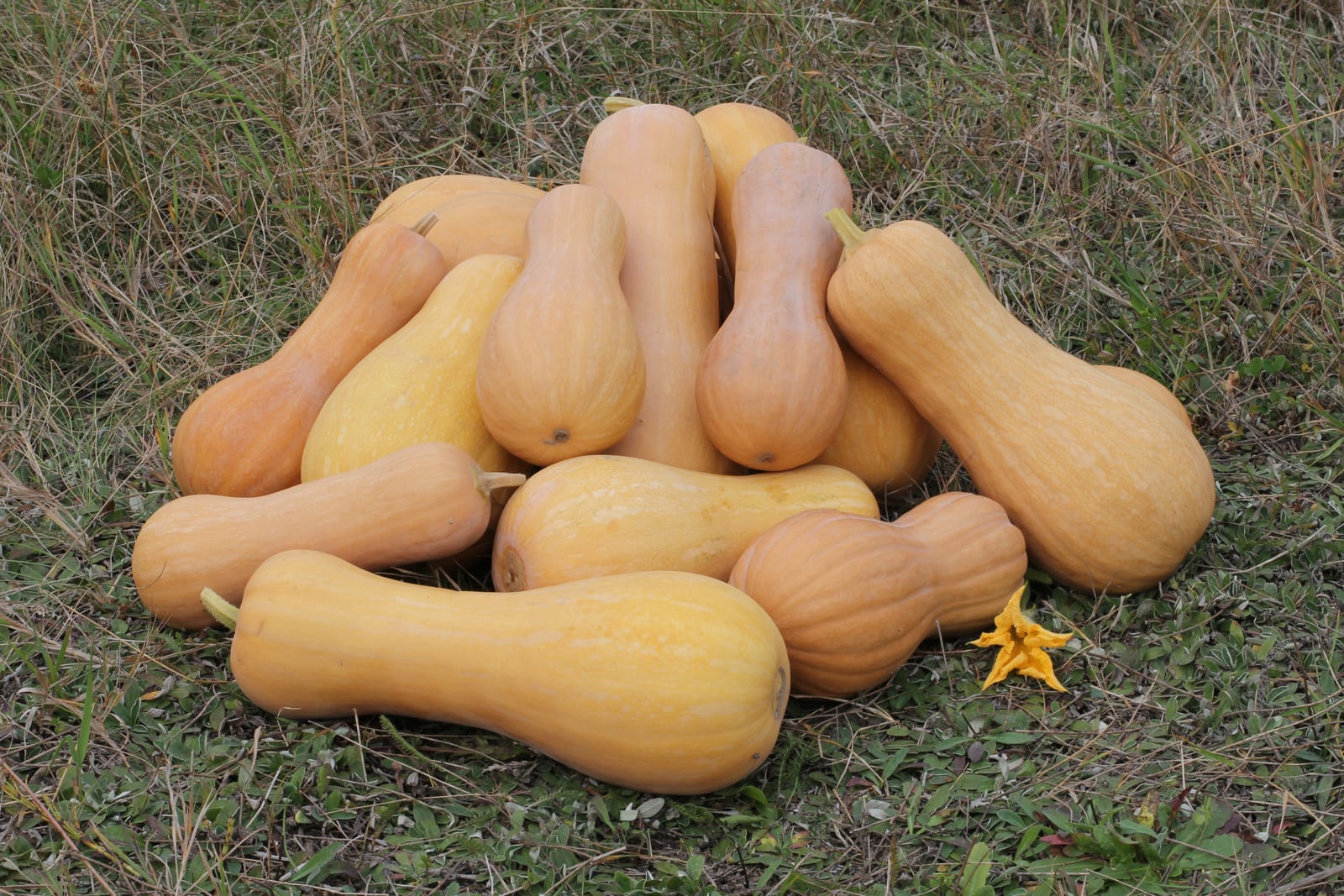 🔍 Click to enlarge
vegetableannual
Winter Squash
Cucurbita moschata
Long-storing squash like butternut and acorn — plant in summer, cure in fall, and eat all winter.
Quick Facts
Sun:☀️ Full Sun
Water:💧💧 Moderate
USDA Zones:Zones 3–11
Space:🏡 Large Garden
Soil:Loam, Silty, Sandy
Best Season(s):Spring, Summer
Experience Level:🌱 Beginner
Native Range:Central America
Bloom Color:Yellow-orange flowers (grown for fruit)
Bloom Cycle:Summer, single extended flush
Days to Harvest:80–110 days
Harvest Pattern:Single harvest per planting
Care Notes
Plant after last frost. Vines need 50–100 sq ft to sprawl. Cure fruit in the sun for 1–2 weeks after harvest to improve storage life.
Growing Details
Mature Size:1-2 ft tall, vines sprawling 8-15 ft (bush types stay within 3-4 ft)
Growth Rate:🐇 Fast
Zone Performance
In Zones 3-5, the long 90-110 day maturation window means seed must go in directly after frost with no room for a late start, or be started indoors in biodegradable pots to avoid root disturbance. In Zones 8-11, growers often time planting so fruit matures in the drier late-summer stretch, since heavy humidity and rain during ripening promote fruit rot and shorten storage life.
Companions & Wildlife
🦌 Deer Resistance
occasionally damaged
Coarse, hairy vines are low on the preference list, but deer will still nibble tender growing tips and young leaves early in the season.
🐝 Pollinator Value
high
Large yellow-orange blossoms are visited heavily by bumblebees, honeybees, and specialist squash bees, which are the primary pollinators responsible for fruit set.
Good Companions
Corn — Sprawling squash vines shade the soil around corn's shallow roots, conserving moisture and crowding out weeds.
Pole Bean — Nitrogen-fixing beans feed the heavy-feeding squash sharing the bed, echoing the traditional Three Sisters planting.
Nasturtium — Nasturtiums act as a trap crop, luring squash bugs and aphids away from the main vines.
Radish — Fast-maturing radishes are thought to help repel squash vine borer and are harvested out of the way long before the squash vines fill the bed.
Troubleshooting
⚠️ Sudden vine wilting despite moist soil
Check the base of the stem for a sawdust-like frass hole from squash vine borer and slit the stem to remove the larva, then bury the wounded section to root.
⚠️ Fruit rotting where it touches damp soil
Set developing squash on a piece of cardboard, straw, or an overturned pot to keep it off wet ground as it matures.
⚠️ Soft spots after harvest during storage
Cure fruit in the sun for 1-2 weeks at harvest to harden the skin, and store only blemish-free squash in a cool, dry space around 50-55°F.
⚠️ Powdery mildew late in the season
Once fruit is sized up, mildew on older leaves is mostly cosmetic — remove the worst-affected leaves for air flow but prioritize letting fruit finish ripening rather than aggressive spraying.
✅ Pet Safety
Fruit is non-toxic to cats and dogs.
Informational only — always check with a veterinarian if you suspect your pet has eaten something it shouldn't have.