Loading…
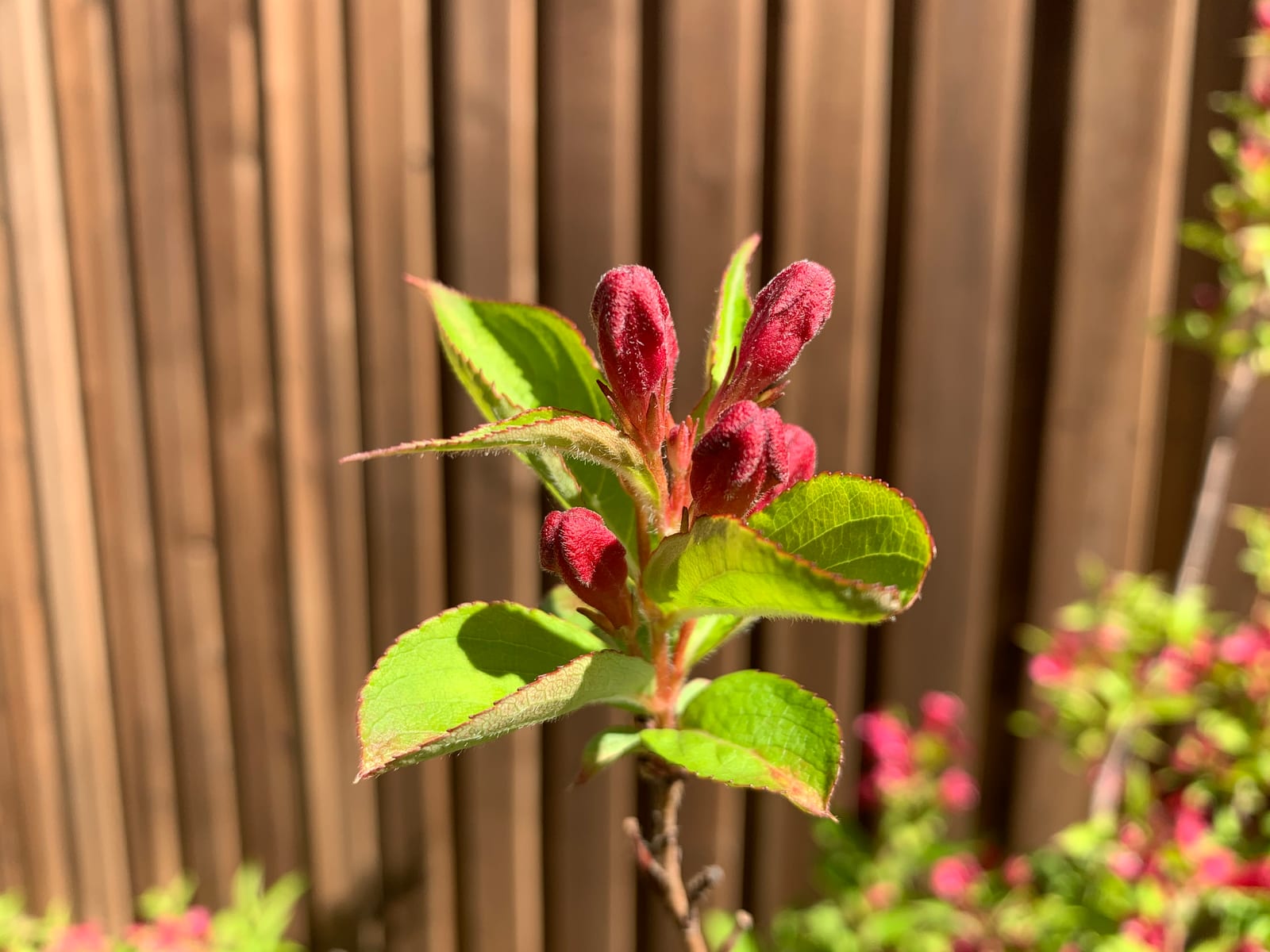 🔍 Click to enlarge
shrubperennial
Weigela
Weigela florida
Old-fashioned shrub covered in trumpet-shaped pink or red spring blooms — a hummingbird favorite.
Quick Facts
Sun:☀️ Full Sun
Water:💧💧 Moderate
USDA Zones:Zones 4–8
Space:🌱 Small Bed, 🏡 Large Garden
Soil:Loam, Clay, Silty
Best Season(s):Spring, Fall
Experience Level:🌱 Beginner
Native Range:East Asia
Bloom Color:Pink to red, trumpet-shaped
Bloom Cycle:Late spring, with sporadic rebloom in summer
Care Notes
Prune right after flowering to shape. Low-maintenance and rarely bothered by pests or disease.
Growing Details
Mature Size:6-9 ft tall, 6-9 ft wide (compact cultivars like 'Wine and Roses' stay 4-5 ft)
Growth Rate:🐇 Fast
Zone Performance
In zone 4, flower buds can be damaged by late hard frosts after an early warm spell, reducing bloom that season, though the plant itself is reliably winter hardy. In zone 8, Weigela tolerates the heat well but may produce a lighter, shorter bloom flush and benefits from afternoon shade in the hottest inland areas.
Companions & Wildlife
🦌 Deer Resistance
occasionally damaged
New spring growth and flower buds can be browsed in high-pressure areas, though established plants generally recover quickly.
🐝 Pollinator Value
high
Tubular pink and red blooms are a favorite nectar source for hummingbirds and are also visited by bumblebees and other long-tongued native bees.
Good Companions
Bearded Iris — Blooms at the same time in late spring, and Iris's strappy upright foliage contrasts nicely with Weigela's arching mounded form.
Catmint (Nepeta) — Extends the bloom season after Weigela's flush fades and shares the same full-sun, well-drained conditions.
Spirea — Similar old-fashioned, easy-care habit and overlapping bloom timing make for a classic cottage-style shrub pairing with minimal care differences.
Coral Bells (Heuchera) — Tolerates the light shade cast at Weigela's base and adds colorful foliage interest once the shrub's spring bloom show has finished.
Troubleshooting
⚠️ Sparse bloom the following year
Prune immediately after flowering rather than in fall or winter, since Weigela blooms on old wood and later pruning removes next year's flower buds.
⚠️ Leggy, open growth habit over time
Remove one-third of the oldest stems at ground level right after bloom each year to rejuvenate density from the base.
⚠️ Bacterial leaf spot in wet, humid conditions
Water at the base rather than overhead and improve air circulation by thinning crowded branches.
✅ Pet Safety
Generally considered non-toxic to cats and dogs.
Informational only — always check with a veterinarian if you suspect your pet has eaten something it shouldn't have.