Loading…
 🔍 Click to enlarge
bulbperennial
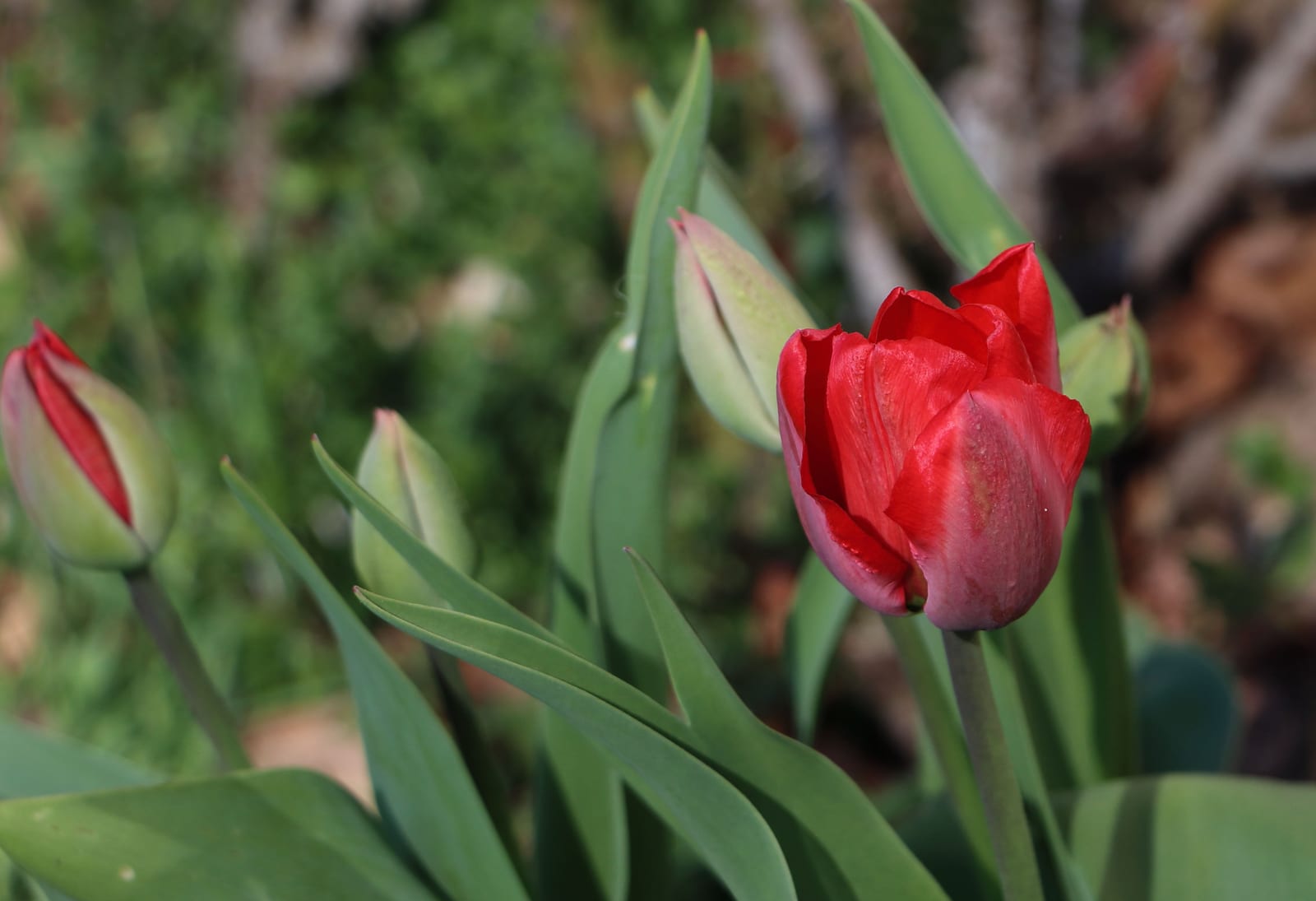
Tulip
Tulipa gesneriana
The quintessential spring bulb. Plant in fall for a spectacular display in April and May.
Quick Facts
Sun:☀️ Full Sun
Water:💧💧 Moderate
USDA Zones:Zones 3–8
Space:🪴 Container, 🌱 Small Bed, 🏡 Large Garden
Soil:Loam, Sandy, Silty
Best Season(s):Fall
Experience Level:🌱 Beginner
Native Range:Central Asia
Bloom Color:Nearly every color — red, yellow, pink, purple, white, bicolor
Bloom Cycle:Early-to-mid spring, one flush
Care Notes
Plant in fall, 6–8 inches deep. Let foliage die back naturally. In warm zones, refrigerate bulbs before planting.
Growing Details
Mature Size:12-24 in tall, 4-6 in spread
Growth Rate:🌿 Moderate
Zone Performance
In zone 3, tulips reliably perennialize because the ground freezes deeply enough to satisfy the bulb's chilling requirement, so bloom quality holds up for several years. In zone 8 at the warm edge, most tulip varieties fail to naturalize and decline sharply after the first year without a cold winter, so gardeners there generally treat them as annuals and dig or refrigerate bulbs before replanting.
Companions & Wildlife
🦌 Deer Resistance
frequently damaged
Tulips are a favorite browse and grazing target for both deer and rodents, making them one of the least deer-resistant spring bulbs.
🐝 Pollinator Value
low
Tulips offer some early-season pollen for emerging bees, but as a heavily hybridized bloom they provide less nectar reward than many wildflower bulbs.
Good Companions
Forget-Me-Not — Low-growing forget-me-nots bloom simultaneously and mask tulip's bare lower stems while their blue color contrasts with most tulip shades.
Daffodil — Daffodils are avoided by the same rodents and deer that target tulip bulbs, and interplanting can help disguise tulip bulbs from foragers.
Hosta — Emerging hosta foliage fills in and hides tulip's yellowing leaves as they die back after bloom.
Troubleshooting
⚠️ Deer or rabbits eating flower buds and foliage
Apply repellent spray in early spring or install temporary fencing around beds during the bloom period.
⚠️ Bulbs rotting in the ground
Improve drainage by planting in raised beds or amending heavy clay with grit, since tulips are highly susceptible to rot in waterlogged soil.
⚠️ Declining bloom size in following years
Feed with a bulb fertilizer at planting and after bloom, and allow foliage to fully yellow and die back before removing it.
⚠️ Pet Safety
Toxic to cats and dogs, most concentrated in the bulb (tulipalin) — can cause serious GI upset; a common spring hazard when pets dig up bulbs.
Informational only — always check with a veterinarian if you suspect your pet has eaten something it shouldn't have.