Loading…
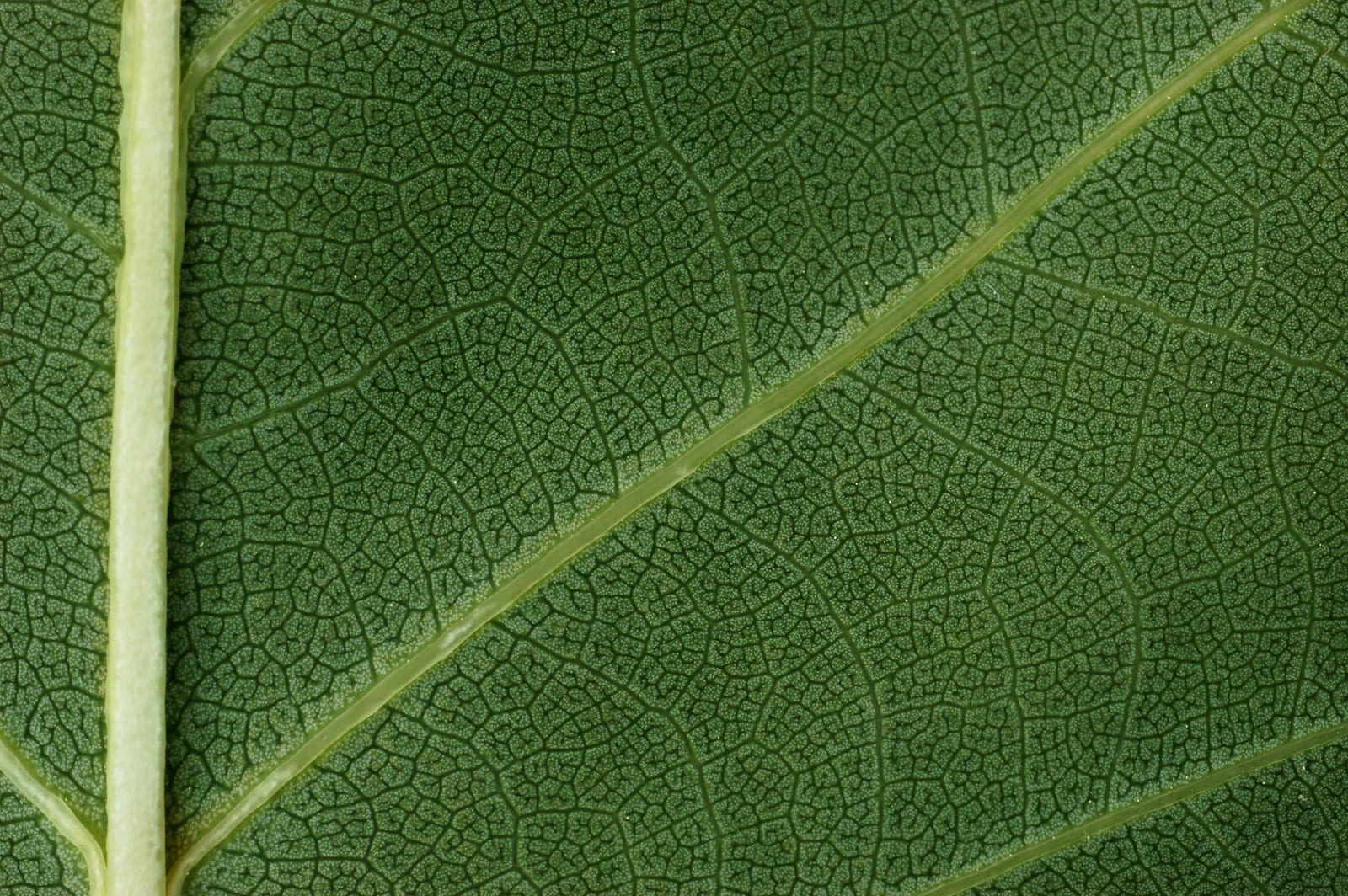 🔍 Click to enlarge
treeperennial
Tulip Poplar
Liriodendron tulipifera
One of the tallest native hardwoods, with distinctive tulip-shaped leaves and greenish-orange spring flowers.
Quick Facts
Sun:☀️ Full Sun
Water:💧💧 Moderate
USDA Zones:Zones 4–9
Space:🏡 Large Garden
Soil:Loam, Silty
Best Season(s):Spring, Fall
Experience Level:🌿 Intermediate
Native Range:Eastern United States
Bloom Color:Greenish-yellow and orange, tulip-shaped
Bloom Cycle:Late spring, high in the canopy (often unnoticed)
Care Notes
Fast growing but needs deep, well-drained soil. Drops twigs and flowers — plant away from patios and walkways.
Growing Details
Mature Size:70-90 ft tall, 35-50 ft wide
Growth Rate:🐇 Fast
Zone Performance
At the cold edge (zone 4), tulip poplar grows more slowly and can experience occasional dieback after extreme winters. Toward zone 9 at the warm edge, it needs consistent soil moisture to handle summer heat, and drought-stressed trees in that range are more prone to premature yellow leaf drop in mid-to-late summer.
Companions & Wildlife
🦌 Deer Resistance
seldom damaged
Deer occasionally browse young saplings but generally avoid the bitter-tasting foliage of established trees.
🐝 Pollinator Value
high
Large tulip-shaped flowers produce copious nectar prized by honeybees, native bees, and hummingbirds.
Good Companions
Mountain Laurel — Understory shrub adapted to the same acidic, well-drained soils found beneath mature tulip poplars in Eastern forests.
Christmas Fern — Shade-tolerant native fern that fills in naturally beneath tulip poplar's high, open canopy.
Virginia Sweetspire — Native shrub that tolerates the dappled shade and rich soil typical of a tulip poplar planting.
Wild Columbine — Woodland perennial well suited to the light shade cast by tulip poplar's high-branching form.
Troubleshooting
⚠️ Premature yellowing and leaf drop in dry summers
Water deeply during drought, especially in the tree's first several years, and mulch to conserve soil moisture.
⚠️ Aphid infestations producing sticky honeydew and sooty mold
Encourage ladybugs and lacewings, or spray with insecticidal soap on young trees for heavy infestations.
⚠️ Weak branch attachments prone to storm breakage in older trees
Schedule periodic structural pruning by a certified arborist to remove weak or crossing limbs.
✅ Pet Safety
Generally considered non-toxic to cats and dogs.
Informational only — always check with a veterinarian if you suspect your pet has eaten something it shouldn't have.