Loading…
 🔍 Click to enlarge
vegetableannual💧 Hydroponic-Compatible
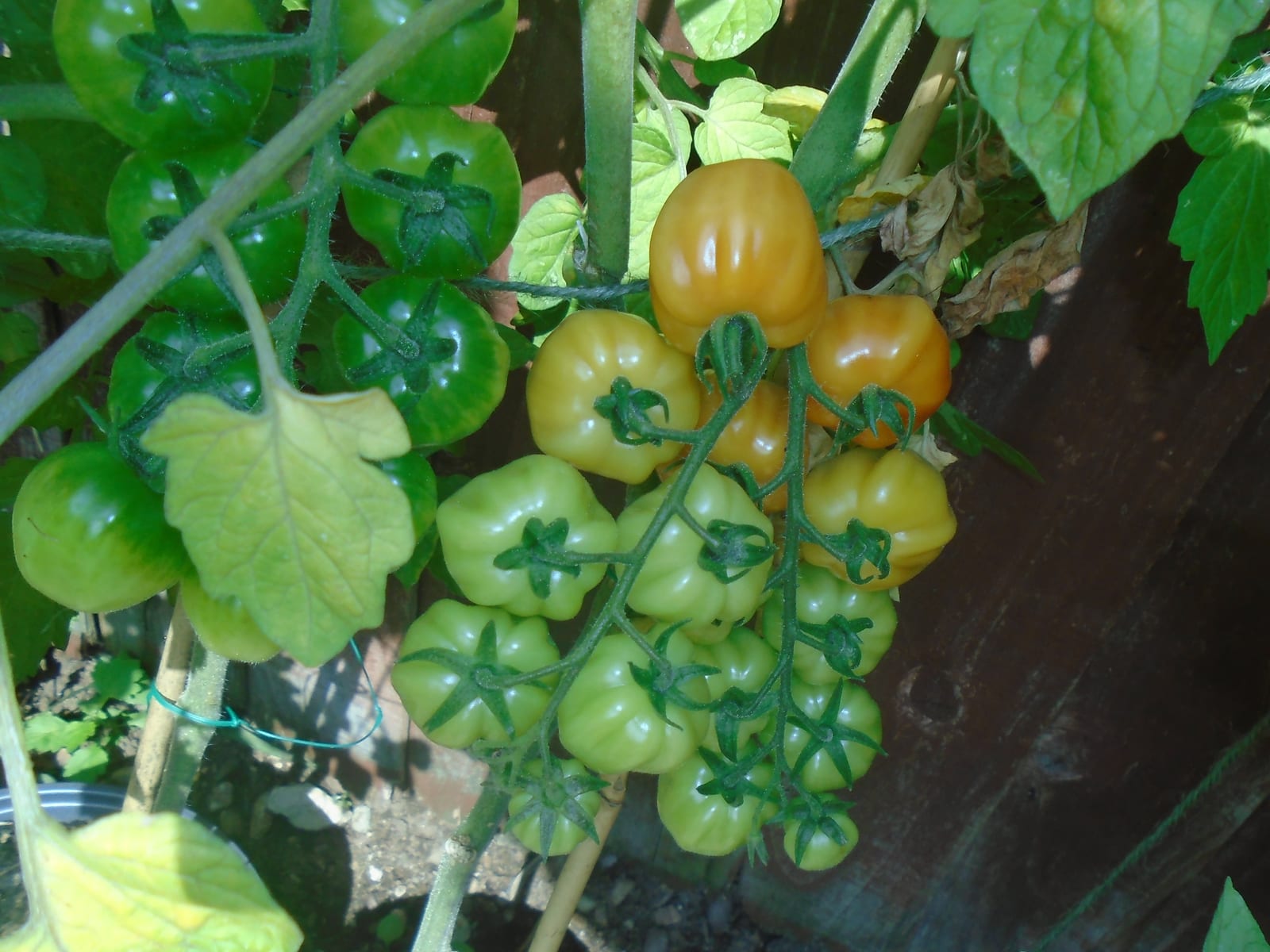
Tomato
Solanum lycopersicum
The classic home garden staple. Hundreds of varieties for every taste.
Quick Facts
Sun:☀️ Full Sun
Water:💧💧💧 High
USDA Zones:Zones 3–11
Space:🪴 Container, 🌱 Small Bed, 🏡 Large Garden
Soil:Loam, Silty
Best Season(s):Spring, Summer
Experience Level:🌱 Beginner
Native Range:Western South America
Bloom Color:Small yellow flowers (grown for fruit, not ornamental bloom)
Bloom Cycle:Continuous through the growing season as fruit sets
Days to Harvest:60–80 days
Harvest Pattern:Continuous / cut-and-come-again
Care Notes
Plant deep. Stake or cage. Water consistently to prevent blossom-end rot.
💧 Hydroponic Notes
Thrives in DWC or ebb & flow. Use a cage or trellis for support. Monitor calcium and magnesium levels closely.
Growing Details
Mature Size:3-6 ft tall (unstaked sprawl to 4 ft wide), indeterminate vines can reach 8-10 ft on a trellis
Growth Rate:🐇 Fast
Zone Performance
In Zones 3-5, the growing season is often too short for long-maturing indeterminate varieties unless started indoors 6-8 weeks early and grown under black plastic mulch for extra soil heat. In Zones 9-11, spring-planted tomatoes typically stop setting fruit once nighttime temperatures stay above 75°F, so gardeners there rely on a second fall crop planted in late summer.
Companions & Wildlife
🦌 Deer Resistance
occasionally damaged
The fuzzy, strongly-scented foliage deters many deer, but hungry deer in early spring will still browse young transplants and ripe fruit.
🐝 Pollinator Value
moderate
Flowers are self-fertile and wind-pollinated, but buzz-pollination by bumblebees measurably increases fruit set and size.
Good Companions
Basil — Classic kitchen and garden pairing — basil thrives in the same warm, sunny conditions tomatoes need, and many gardeners report reduced pest pressure when grown together.
Carrot — Carrots' deep, loosening roots improve soil structure around tomato roots without competing for the same growing space.
Onion — Alliums' strong scent helps confuse and deter many common tomato pests.
Garlic — Alliums' strong scent helps confuse and deter many common tomato pests.
Chives — Alliums' strong scent helps confuse and deter many common tomato pests.
Troubleshooting
⚠️ Blossom-end rot (dark, sunken patches on fruit bottoms)
Keep soil moisture consistent with regular deep watering and mulch, since the rot is caused by uneven water uptake disrupting calcium delivery, not usually a calcium deficiency in the soil itself.
⚠️ Cracked fruit
Water evenly and avoid letting soil dry out between heavy rains, which causes fruit to swell faster than the skin can stretch.
⚠️ Yellowing lower leaves with brown spots (early blight)
Remove and destroy affected foliage promptly, mulch to prevent soil splash onto leaves, and rotate planting location each year.
⚠️ Hornworms stripping foliage
Hand-pick caterpillars in the early morning or evening, and leave any hornworm covered in small white cocoons alone — those are parasitic wasp larvae already controlling the population.
⚠️ Pet Safety
The ripe fruit is fine, but leaves, stems, and unripe green fruit are toxic to cats and dogs (solanine) — keep pets from browsing the plant itself.
Informational only — always check with a veterinarian if you suspect your pet has eaten something it shouldn't have.
🌿 Traditional & Medicinal Use
Ripe fruit is a well-documented dietary source of lycopene, an antioxidant — food value, not a medicinal preparation.
Informational only, not medical advice — consult a healthcare provider before using any plant medicinally.