Loading…
 🔍 Click to enlarge
herbperennial💧 Hydroponic-Compatible
Thyme
Thymus vulgaris
Low-growing perennial herb with tiny leaves and big flavor. Also a beautiful ground cover.
Quick Facts
Sun:☀️ Full Sun
Water:💧 Low
USDA Zones:Zones 4–9
Space:🪴 Container, 🌱 Small Bed, 🏡 Large Garden
Soil:Sandy, Loam, Chalky
Best Season(s):Spring
Experience Level:🌱 Beginner
Native Range:Western Mediterranean
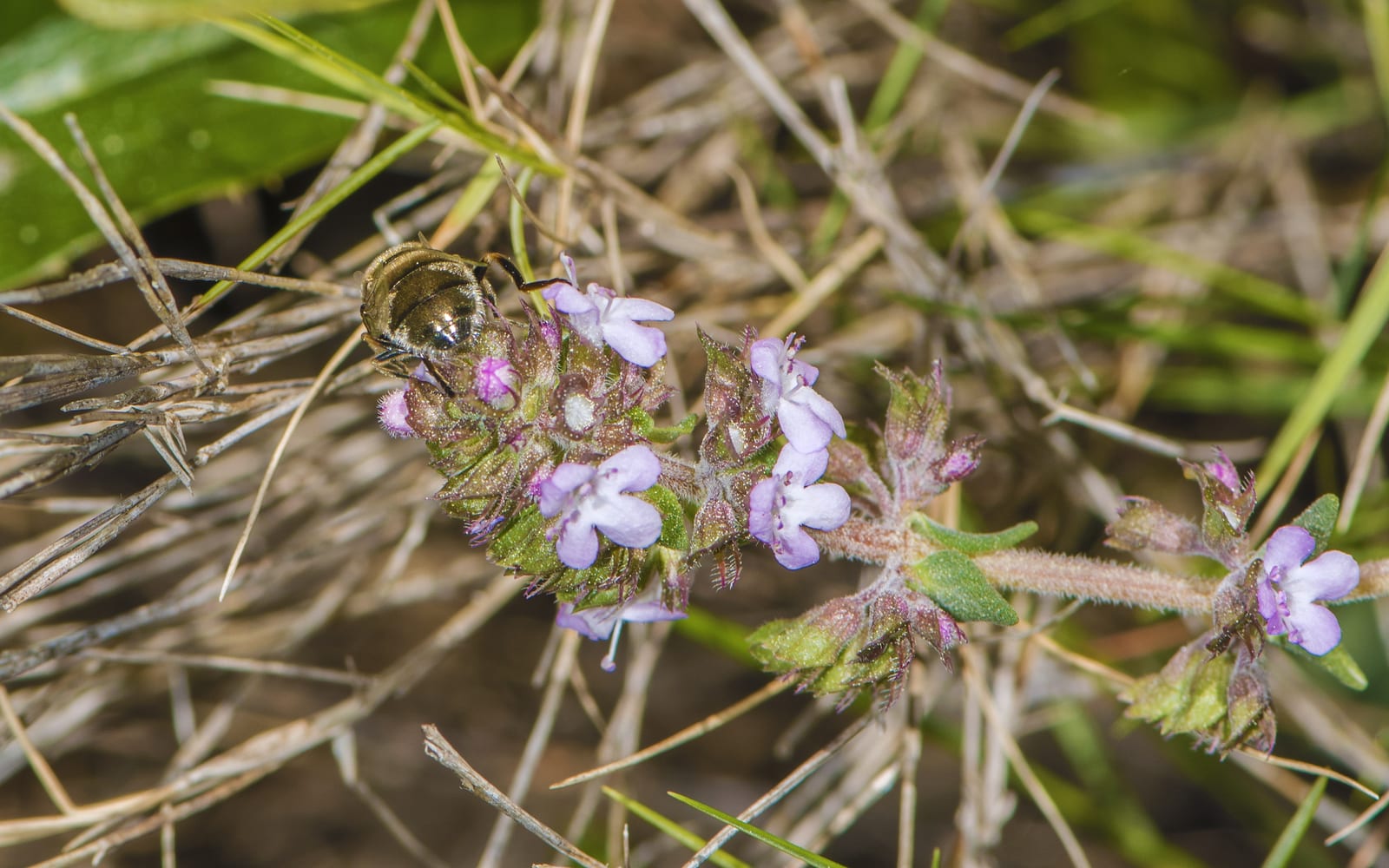
Bloom Color:Pale purple-pink
Bloom Cycle:Late spring to early summer
Days to Harvest:6–8 weeks to harvestable size
Harvest Pattern:Perennial — produces year after year
Care Notes
Needs excellent drainage. Trim after flowering to prevent woodiness. Very drought tolerant.
💧 Hydroponic Notes
Grows well in Kratky systems. Slow to start but very low-maintenance once established. Prefers drier conditions — avoid waterlogged roots.
Growing Details
Mature Size:6-12 in tall, 12-18 in wide (creeping types under 3 in tall, spreading 12-24 in)
Growth Rate:🐢 Slow
Zone Performance
Thyme performs best across its full Zone 4-9 range but is notably intolerant of combined winter cold and wet soil, so at the Zone 4-5 cold edge good drainage becomes essential to prevent the crown from rotting under snow and ice, while in humid Zone 8-9 summers powdery mildew and root rot become the bigger risk than cold.
Companions & Wildlife
🦌 Deer Resistance
rarely damaged
Thyme's dense, wiry, highly aromatic foliage is one of the most consistently deer-avoided groundcovers available.
🐝 Pollinator Value
high
Thyme's tiny summer flowers are extremely attractive to honeybees and are a classic source of monofloral thyme honey in Mediterranean regions.
Good Companions
Cabbage — Thyme's strong essential oils are a traditional deterrent for cabbage worms and cabbage moths on nearby brassicas.
Strawberry — Low-growing thyme makes a living mulch around strawberry plants, suppressing weeds without competing for root space.
Rosemary — Both are drought-tolerant Mediterranean natives requiring identical sharp drainage and lean, dry soil.
Eggplant — Thyme is reputed to help repel flea beetles, one of the most damaging early-season pests of eggplant.
Troubleshooting
⚠️ Center of the plant dying out and becoming woody after 3-4 years
Shear back hard after spring flowering each year to encourage compact new growth, and replace plants once they become predominantly woody.
⚠️ Root rot in heavy or poorly drained soil
Plant in raised beds or rock gardens amended with coarse sand or grit, and avoid mulching directly against the crown.
⚠️ Spider mites in hot, dry conditions
Rinse foliage periodically with a strong spray of water and avoid drought-stressing the plant excessively.
⚠️ Loss of flavor and vigor from overwatering or rich soil
Grow in lean, unamended soil and water only when the top few inches are fully dry — overly generous care dilutes the essential oils that give thyme its flavor.
✅ Pet Safety
Non-toxic to cats and dogs in normal culinary amounts.
Informational only — always check with a veterinarian if you suspect your pet has eaten something it shouldn't have.
🌿 Traditional & Medicinal Use
Traditional and some clinical evidence for cough/respiratory support (thymol) — see the Medicinal Herb Garden guide for detail and preparation.
Informational only, not medical advice — consult a healthcare provider before using any plant medicinally.