Loading…
 🔍 Click to enlarge
grassperennial
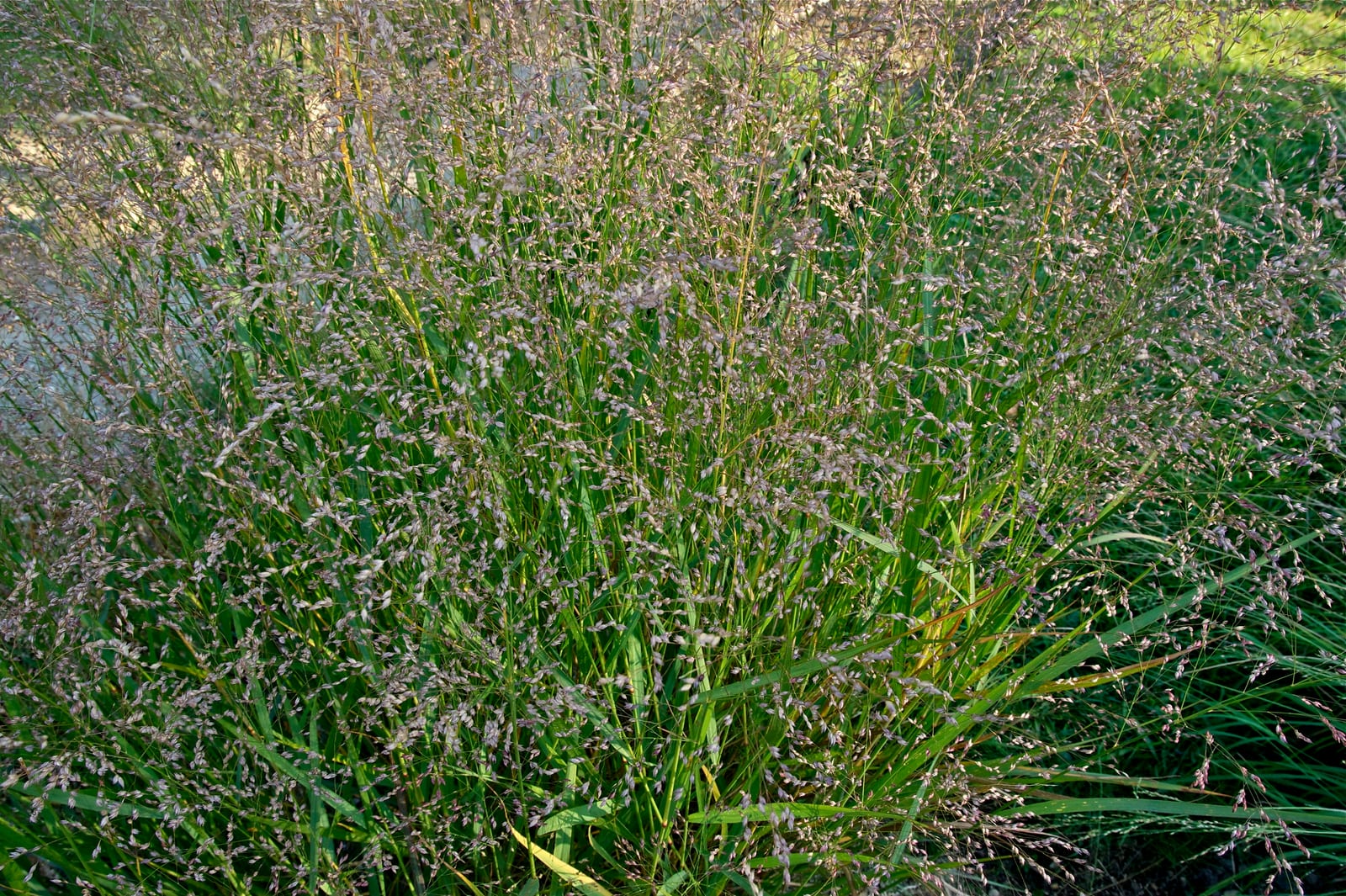
Switchgrass
Panicum virgatum
Native prairie grass with airy seed heads and brilliant red fall color. Excellent for wildlife.
Quick Facts
Sun:☀️ Full Sun
Water:💧 Low
USDA Zones:Zones 3–9
Space:🌱 Small Bed, 🏡 Large Garden
Soil:Loam, Clay, Sandy, Silty
Best Season(s):Spring, Fall
Experience Level:🌱 Beginner
Native Range:Central & Eastern North America
Bloom Color:Airy, reddish-pink to tan plumes
Bloom Cycle:Late summer through fall
Care Notes
Cut back in late winter. Very adaptable to wet or dry conditions. Superb for rain gardens.
Growing Details
Mature Size:3-6 ft tall, 2-3 ft wide
Growth Rate:🌿 Moderate
Zone Performance
In zone 3, switchgrass is fully hardy and one of the most cold-tolerant ornamental grasses available, dying back cleanly each fall and returning reliably each spring. In zone 9, it tolerates heat and humidity well but may need more supplemental water during extended summer drought than in its native prairie range, and taller cultivars can flop without staking in richer garden soil.
Companions & Wildlife
🦌 Deer Resistance
seldom damaged
As a native prairie grass, it is not a preferred deer browse, though young spring shoots may occasionally be grazed in high-pressure areas.
🐝 Pollinator Value
moderate
Wind-pollinated and not a nectar source, but its dense seed heads are an important food source for songbirds like juncos and sparrows through winter, and the standing stems provide habitat for beneficial insects.
Good Companions
Purple Coneflower — A classic native prairie pairing — its bold pink-purple blooms stand out against switchgrass's fine, airy seed panicles.
Black-Eyed Susan — Both are native to North American prairies and share tolerance for wet-to-dry soil swings, making them ideal rain garden partners.
Joe Pye Weed — Thrives in the same moist-to-average soil and matches switchgrass's height for a naturalistic meadow look.
Little Bluestem — A companion native grass with blue-green summer color and orange-red fall color that extends the seasonal grass display.
Troubleshooting
⚠️ Floppy, lodging stems in late summer
Grow in lean soil without extra fertilizer, or choose a more upright cultivar like 'Northwind'; avoid overly rich garden beds.
⚠️ Rust disease on leaf blades in humid climates
Improve air circulation between clumps and choose rust-resistant cultivars such as 'Shenandoah' in humid southeastern gardens.
⚠️ Aggressive self-seeding in ideal conditions
Cut back seed heads before they fully mature and disperse if self-seeding becomes a nuisance in cultivated beds.
✅ Pet Safety
Generally considered non-toxic to cats and dogs.
Informational only — always check with a veterinarian if you suspect your pet has eaten something it shouldn't have.