Loading…
 🔍 Click to enlarge
vegetablebiennial💧 Hydroponic-Compatible
Swiss Chard
Beta vulgaris subsp. vulgaris (Cicla Group)
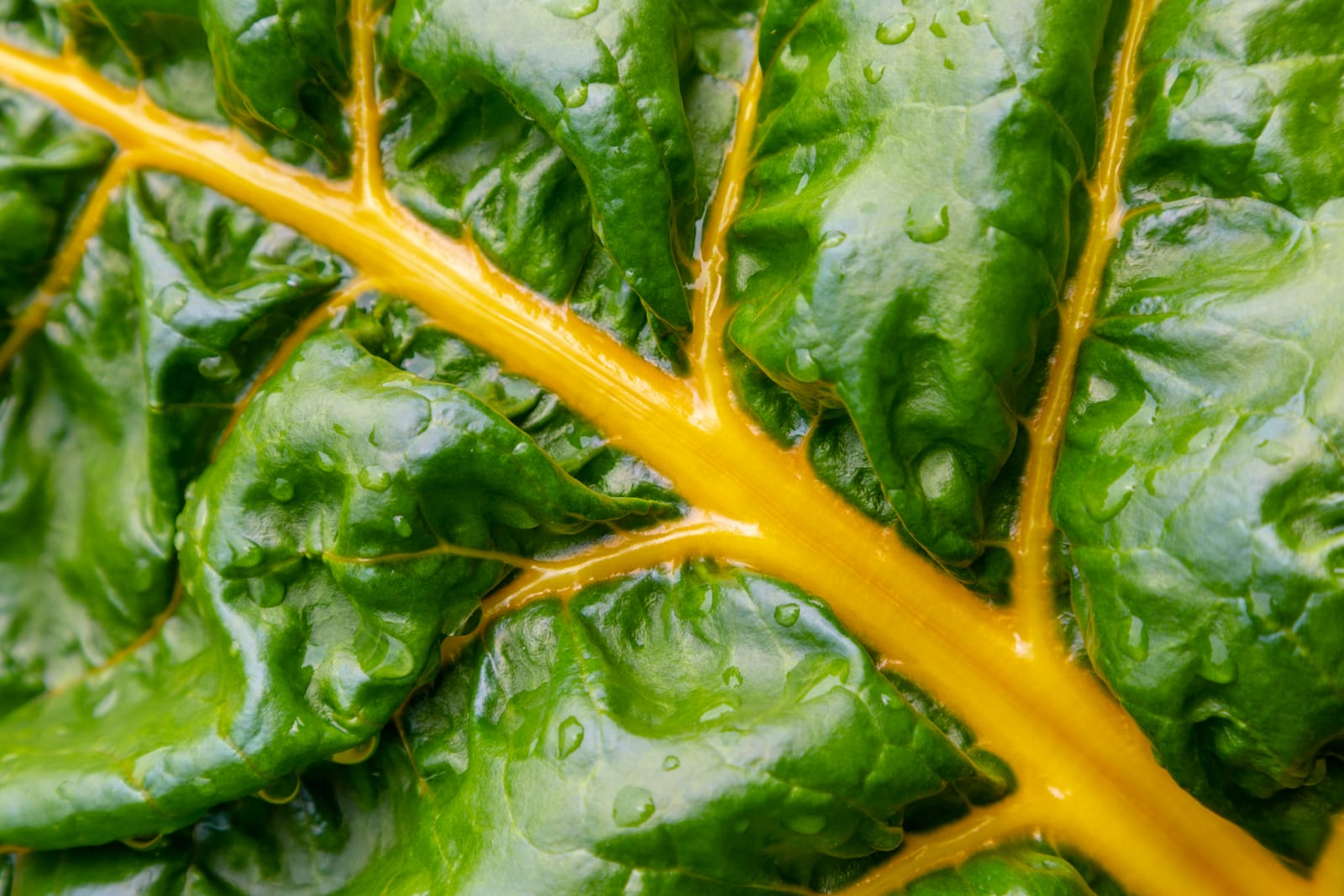
Colorful, heat-tolerant leafy green with vivid red, yellow, and orange stems.
Quick Facts
Sun:☀️ Full Sun, ⛅ Partial Shade
Water:💧💧 Moderate
USDA Zones:Zones 3–11
Space:🪴 Container, 🌱 Small Bed, 🏡 Large Garden
Soil:Loam, Silty, Clay
Best Season(s):Spring, Summer, Fall
Experience Level:🌱 Beginner
Native Range:Mediterranean Basin
Bloom Color:Inconspicuous green flowers in its second year (grown for leaves/stems)
Bloom Cycle:Rarely blooms in year one; grown as a cut-and-come-again annual in most gardens
Days to Harvest:25–35 days to first harvest
Harvest Pattern:Continuous / cut-and-come-again
Care Notes
Cut outer stalks to encourage new growth. Tolerates heat better than spinach or lettuce.
💧 Hydroponic Notes
More heat-tolerant than lettuce — great for warmer grow rooms. Works well in DWC and NFT. Harvest outer stalks continuously for months.
Growing Details
Mature Size:1.5-2 ft tall, 1-1.5 ft wide
Growth Rate:🌿 Moderate
Zone Performance
In Zones 3-6, chard is typically grown spring through fall as a cut-and-come-again crop and tolerates light frost well, often surviving into early winter under row cover. In Zones 8-11, its notable heat tolerance compared to spinach and lettuce lets it keep producing through summer, making it one of the few leafy greens that bridges the entire warm season there.
Companions & Wildlife
🦌 Deer Resistance
occasionally damaged
Chard's thick, glossy leaves are somewhat less tender than lettuce or spinach, giving it moderate deer resistance, though hungry deer will still browse it when preferred food is unavailable.
🐝 Pollinator Value
low
Grown for its leaves and stalks and rarely allowed to flower, chard offers minimal pollinator value, though a bolted plant's small green flower clusters can draw a few small native bees.
Good Companions
Onion — Alliums' scent helps deter aphids and leafminers that target chard's tender leaves.
Bush Bean — Nitrogen-fixing beans benefit the moderately heavy-feeding chard sharing the bed, without competing for the same canopy space.
Cabbage — Chard's beet-family roots occupy a different soil niche than brassica roots, making efficient use of shared bed space.
Marigold — Marigolds help deter leaf miners and aphids while adding season-long color alongside chard's own colorful stems.
Troubleshooting
⚠️ Leafminers creating pale tunnels in leaves
Remove and destroy mined leaves promptly and use row cover on new plantings to block egg-laying adult flies.
⚠️ Leaves turning tough and bitter
Harvest outer leaves regularly while young and tender rather than letting them grow oversized before cutting.
⚠️ Cercospora leaf spot (small tan spots with purple margins)
Space plants for airflow, water at the soil line, and remove affected leaves promptly to slow spread.
⚠️ Slow regrowth after heavy cutting
Always leave the central growing crown intact when harvesting outer stalks so the plant can continue producing new leaves.
✅ Pet Safety
Non-toxic in normal amounts; contains oxalates like spinach and beets.
Informational only — always check with a veterinarian if you suspect your pet has eaten something it shouldn't have.