Loading…
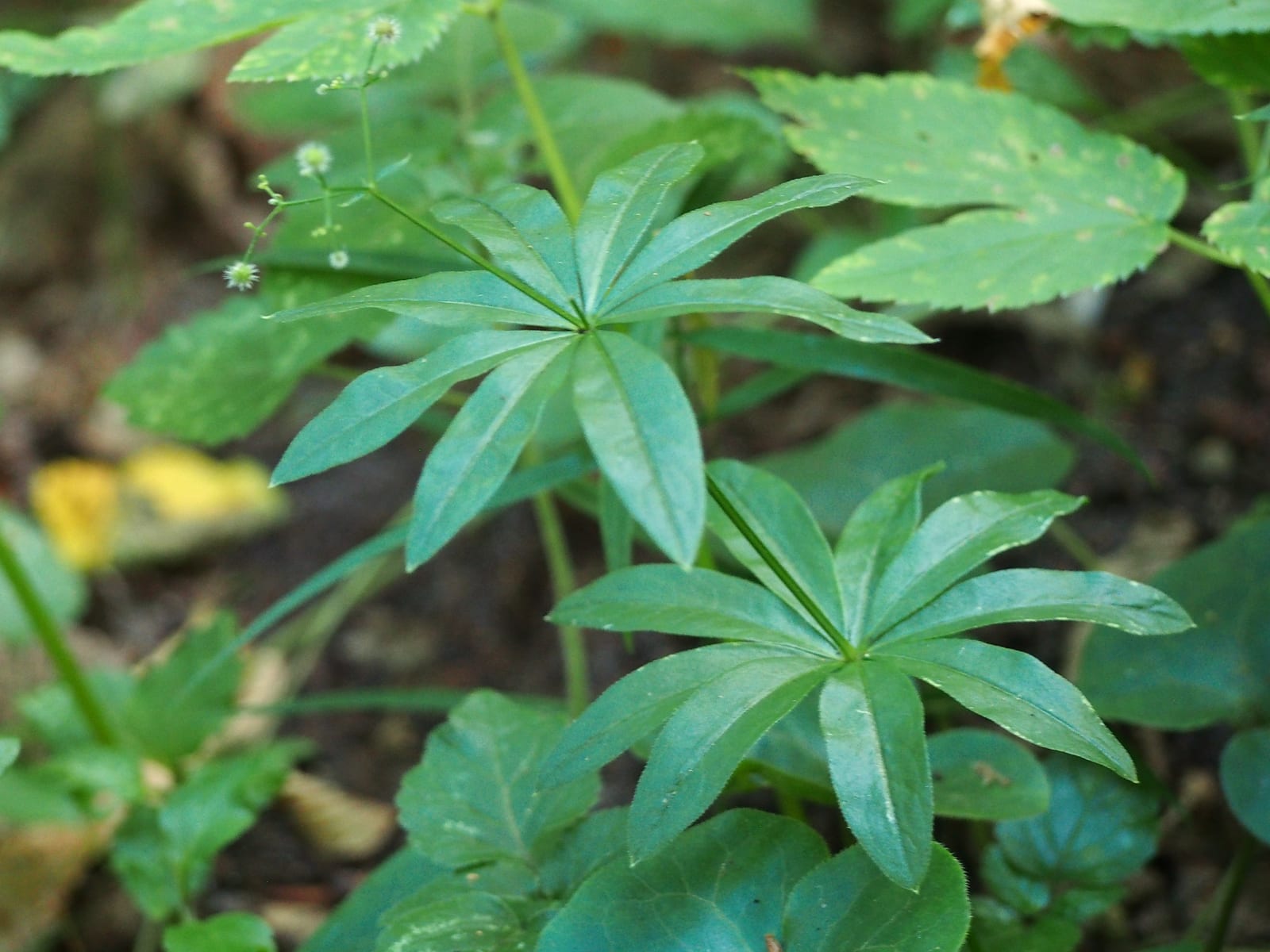 🔍 Click to enlarge
groundcoverperennial
Sweet Woodruff
Galium odoratum
Fragrant, star-shaped white flowers over whorled green leaves. Perfect woodland ground cover.
Quick Facts
Sun:⛅ Partial Shade, 🌑 Full Shade
Water:💧💧 Moderate
USDA Zones:Zones 4–8
Space:🌱 Small Bed, 🏡 Large Garden
Soil:Loam, Peaty, Silty
Best Season(s):Spring
Experience Level:🌱 Beginner
Native Range:Europe & North Africa
Bloom Color:Small white star-shaped clusters
Bloom Cycle:Late spring
Care Notes
Spreads steadily once established. Fragrance intensifies when dried. Cut back in fall.
Growing Details
Mature Size:6-12 in tall, spreads readily to form a dense groundcover mat
Growth Rate:🌿 Moderate
Zone Performance
At the cold edge (Zone 4) Sweet Woodruff dies back completely in winter but is fully hardy and returns reliably each spring from its rhizomes. At the warm edge (Zone 8) it needs consistent moisture and deeper shade to avoid summer dormancy or foliage decline, since it is a cool, moist woodland species that struggles with prolonged heat and drought.
Companions & Wildlife
🦌 Deer Resistance
rarely damaged
The coumarin-scented foliage of Sweet Woodruff is unpalatable to deer, making it a reliable groundcover choice in wooded, browse-prone landscapes.
🐝 Pollinator Value
moderate
The small white star-shaped flowers attract early-season bees and small pollinating flies, providing a modest nectar source in shaded woodland settings.
Good Companions
Hosta — Both thrive in rich, moist woodland shade, with Sweet Woodruff's fine whorled leaves and white flowers filling in around Hosta's bolder clumps.
Astilbe — Shares moist, humus-rich shade conditions, and its flower plumes rise above Sweet Woodruff's low, fragrant carpet for layered spring-to-summer interest.
Bleeding Heart (Dicentra) — Blooms in the same part-shade woodland conditions in spring, with Sweet Woodruff's spreading habit filling in as Bleeding Heart goes dormant in summer.
Ferns (e.g., Lady Fern) — A natural textural companion in moist, shaded woodland gardens, both native to similar forest-floor conditions and equally at home under deciduous trees.
Troubleshooting
⚠️ Spreading beyond the intended bed
Install edging or divide and thin the planting regularly, since Sweet Woodruff spreads steadily by rhizomes and can become weedy in ideal moist shade conditions.
⚠️ Foliage wilting or browning in summer
Increase watering and mulch to retain soil moisture, since this woodland plant is intolerant of dry soil and heat stress, especially in warmer zones.
⚠️ Powdery mildew in humid conditions
Improve air circulation by thinning dense patches and avoid overhead watering late in the day during humid summer weather.
⚠️ Slug damage on tender new growth
Apply iron phosphate bait in early spring when new shoots emerge, as slugs are drawn to the fresh, tender foliage in moist shade gardens.
⚠️ Pet Safety
Mildly toxic to cats and dogs (coumarins) in large amounts — low risk from casual exposure.
Informational only — always check with a veterinarian if you suspect your pet has eaten something it shouldn't have.
🌿 Traditional & Medicinal Use
Historically used to flavor May wine (Maiwein) in Germany — a culinary/traditional use, not a medicinal preparation.
Informational only, not medical advice — consult a healthcare provider before using any plant medicinally.