Loading…
 🔍 Click to enlarge
vegetableperennial
Sweet Potato
Ipomoea batatas
Warm-season root crop with trailing vines. Needs long, hot summers to mature.
Quick Facts
Sun:☀️ Full Sun
Water:💧💧 Moderate
USDA Zones:Zones 8–11
Space:🏡 Large Garden
Soil:Sandy, Loam
Best Season(s):Spring, Summer
Experience Level:🌿 Intermediate
Native Range:Central or South America
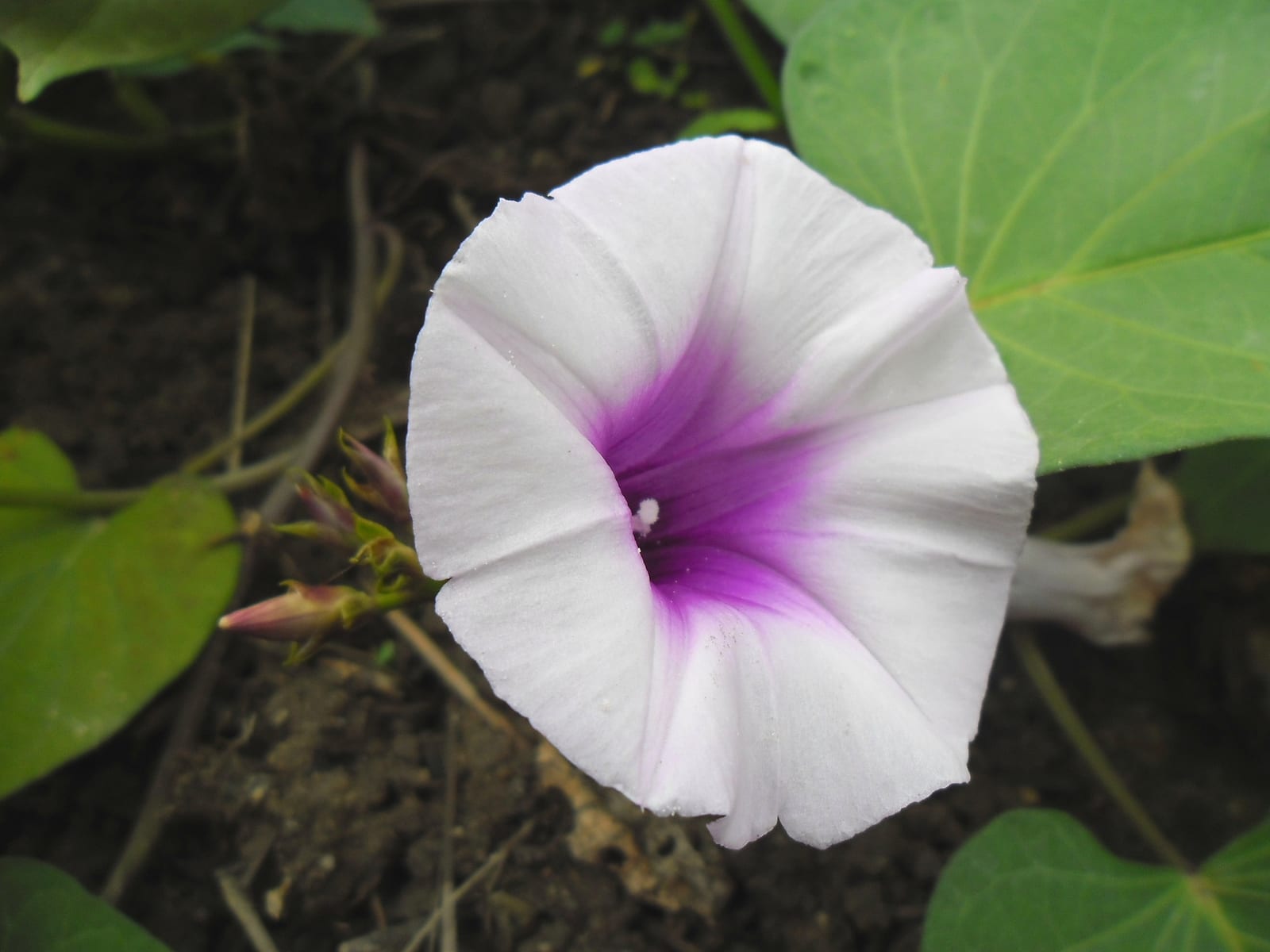
Bloom Color:Purple-pink, morning-glory-like (rarely blooms in temperate gardens)
Bloom Cycle:Summer, if it blooms at all in a short-season climate
Days to Harvest:90–120 days
Harvest Pattern:Single harvest per planting
Care Notes
Grow from slips, not seeds. Needs 100+ frost-free days. Cure after harvest for best flavor.
Growing Details
Mature Size:12-18 in tall, vines trailing 4-10 ft
Growth Rate:🐇 Fast
Zone Performance
At the cool edge of its listed range (zone 8), sweet potato needs black plastic mulch to warm the soil and a full 100-120 frost-free days to size up tubers, and vines are killed by the first light frost. Toward zones 10-11 it behaves as a true tender perennial, often producing continuously and requiring active vine management to keep it from rooting at every leaf node and overrunning the bed.
Companions & Wildlife
🦌 Deer Resistance
occasionally damaged
Deer will browse the trailing vine foliage in open gardens, though damage rarely affects the underground tubers directly.
🐝 Pollinator Value
low
Rarely flowers in temperate gardens since it's grown for tubers and harvested before the morning-glory-like blooms typically appear.
Good Companions
Bush Bean — Nitrogen-fixing bush beans benefit the heavy-feeding sweet potato vine while staying low enough not to be smothered by its sprawl.
Marigold — Marigold roots release compounds that suppress root-knot nematodes, a common pest of sweet potato tubers.
Dill — Dill's umbel flowers attract predatory and parasitic insects that help control sweet potato hornworm and other foliage pests.
Thyme — Low-growing thyme tolerates the light shade cast by sprawling sweet potato vines and acts as a living mulch to suppress weeds.
Troubleshooting
⚠️ Lush vines but few or small tubers
Avoid high-nitrogen fertilizer, which pushes vine growth at the expense of root development; use a low-nitrogen, higher-potassium feed instead.
⚠️ Tubers with rough, cracked skin
Keep soil moisture consistent — alternating drought and heavy watering causes growth cracks; mulch to even out soil moisture.
⚠️ Sweet potato weevil damage
Rotate planting sites yearly, hill soil to cover exposed tubers, and remove volunteer plants promptly, since weevils overwinter in plant debris and soil.
✅ Pet Safety
The cooked tuber is non-toxic to cats and dogs; raw tubers are harder to digest and best avoided.
Informational only — always check with a veterinarian if you suspect your pet has eaten something it shouldn't have.
🌿 Traditional & Medicinal Use
A well-documented dietary source of beta-carotene — food value, not a medicinal preparation.
Informational only, not medical advice — consult a healthcare provider before using any plant medicinally.