Loading…
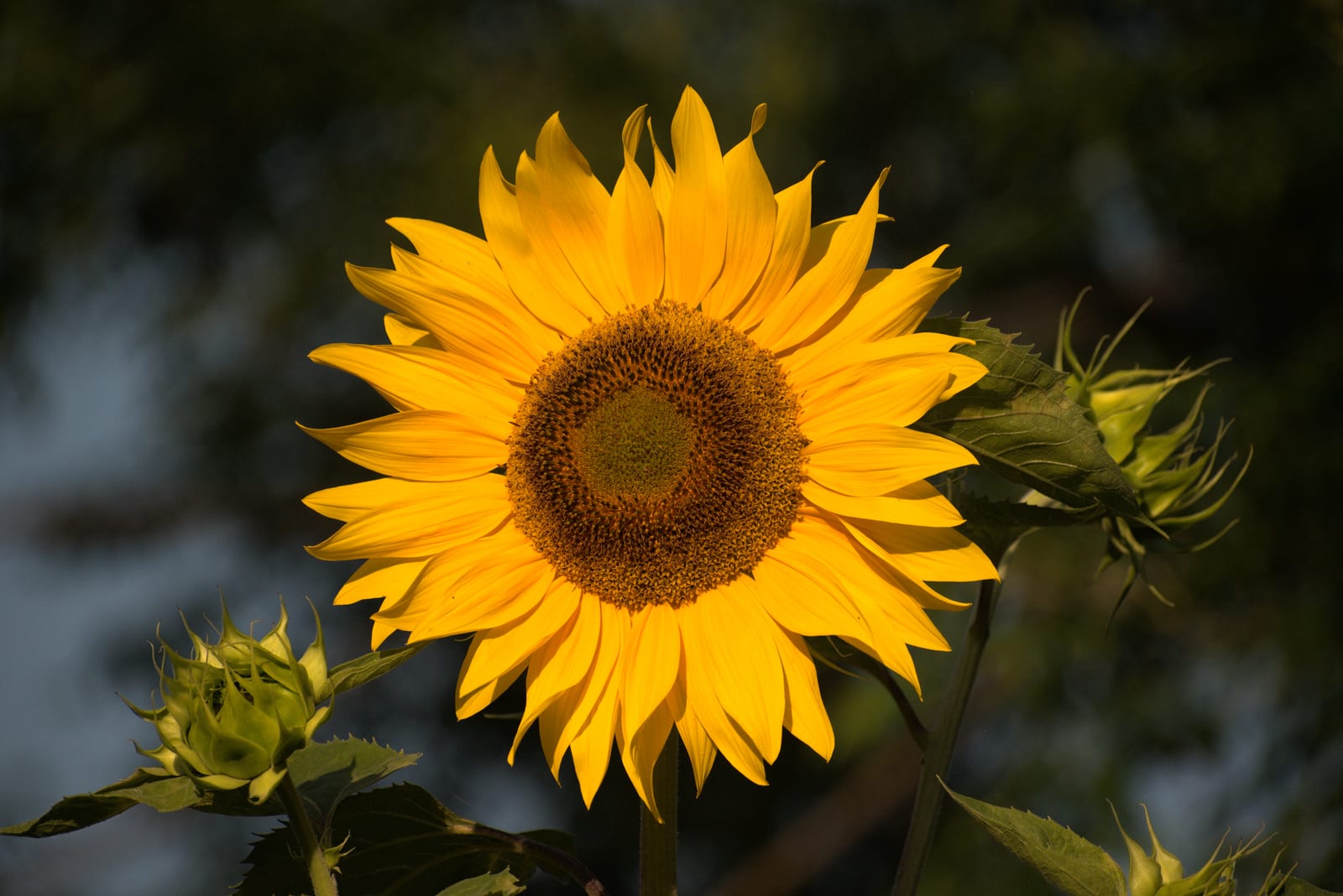 🔍 Click to enlarge
flowerannual
Sunflower
Helianthus annuus
Tall, cheerful blooms that follow the sun. Excellent for pollinators and birds.
Quick Facts
Sun:☀️ Full Sun
Water:💧💧 Moderate
USDA Zones:Zones 3–11
Space:🌱 Small Bed, 🏡 Large Garden
Soil:Loam, Sandy, Silty
Best Season(s):Spring, Summer
Experience Level:🌱 Beginner
Native Range:North America
Bloom Color:Yellow, gold, orange, red-brown
Bloom Cycle:Mid-to-late summer, single bloom flush per plant
Care Notes
Plant after last frost. Water deeply once a week. Stake tall varieties.
Growing Details
Mature Size:5-12 ft tall, 1-2 ft wide (branching types can spread 3 ft)
Growth Rate:🐇 Fast
Zone Performance
As a fast-maturing annual grown from seed each year, sunflowers perform reliably from zone 3 to 11 as long as the 70-100 day frost-free window is met; in zones 3-5 choose earlier-maturing varieties and start after all frost danger has passed, while in the hottest zones (9-11) plants benefit from being timed to avoid peak midsummer heat stress during flowering.
Companions & Wildlife
🦌 Deer Resistance
occasionally damaged
Deer will browse young seedlings and tender new growth but tend to leave mature, rough-stemmed plants alone.
🐝 Pollinator Value
high
A major nectar and pollen source for bumblebees and honeybees, and the ripening seed heads are a favorite of goldfinches and other seed-eating birds.
Good Companions
Pole Beans — Beans climb the sturdy sunflower stalk and fix nitrogen that benefits the heavy-feeding sunflower.
Cucumbers — Sunflowers provide light afternoon shade and a trellis structure for sprawling cucumber vines.
Corn — Both are tall, sun-loving, heavy feeders that share similar spacing and watering needs without competing for the same root depth.
Nasturtium — Nasturtium acts as a trap crop for aphids, drawing them away from sunflower buds and foliage.
Troubleshooting
⚠️ Stalks toppling in wind or rain
Stake tall single-stem varieties at planting time and site them in a location sheltered from prevailing wind.
⚠️ Birds and squirrels stripping seed heads before harvest
Cover maturing heads with a loose mesh or paper bag once petals fade and seeds begin to plump.
⚠️ Powdery mildew on lower leaves in humid weather
Space plants for airflow and water at the base rather than overhead.
⚠️ Sunflower moth larvae boring into the seed head
Monitor for moths during bud stage and treat with Bt (Bacillus thuringiensis) if larvae are found.
✅ Pet Safety
Non-toxic to cats and dogs; seeds are a common treat in moderation.
Informational only — always check with a veterinarian if you suspect your pet has eaten something it shouldn't have.