Loading…
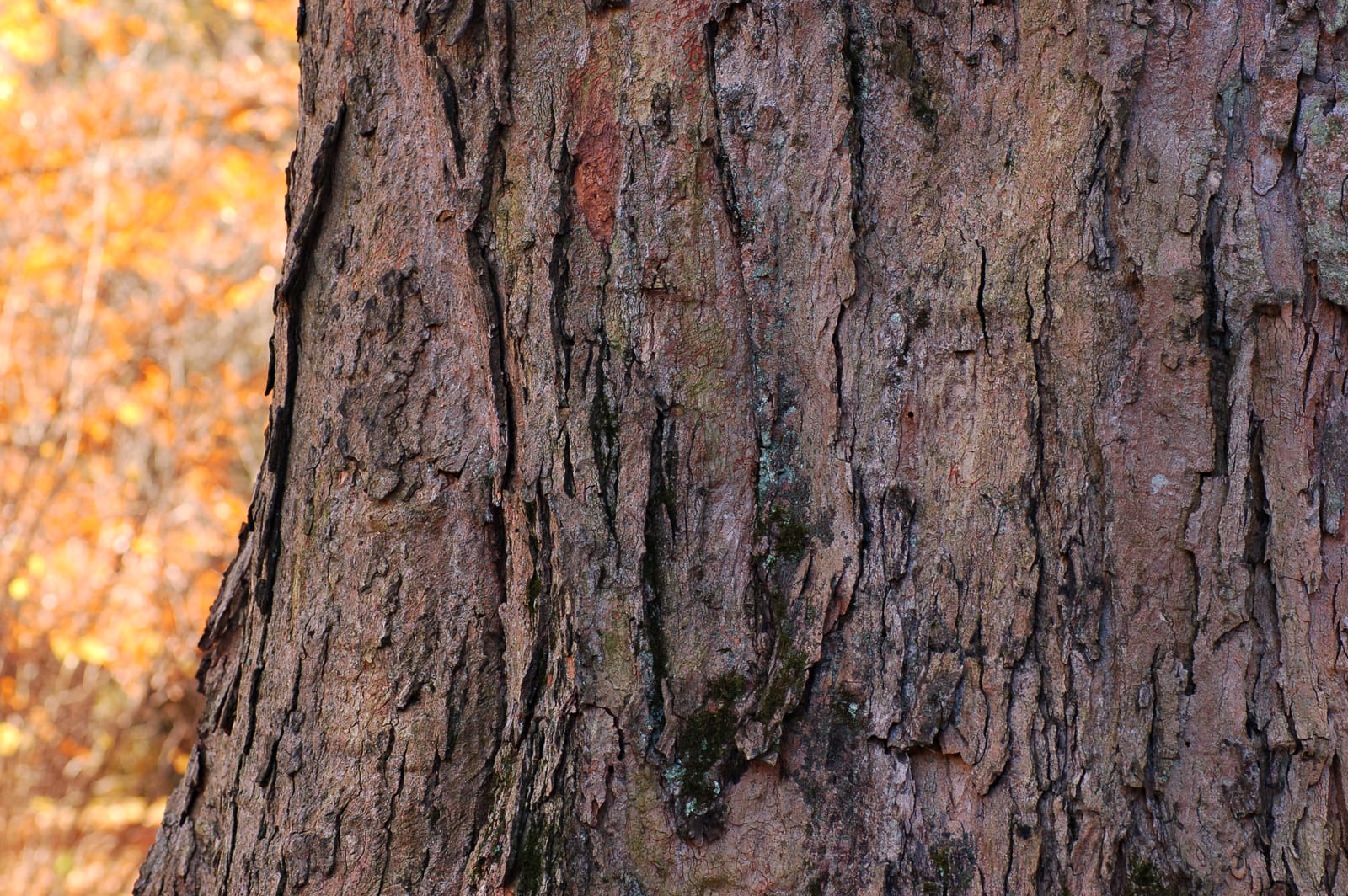 🔍 Click to enlarge
treeperennial
Sugar Maple
Acer saccharum
The classic New England fall-color maple, with brilliant orange-red foliage. Also the source of maple syrup.
Quick Facts
Sun:☀️ Full Sun, ⛅ Partial Shade
Water:💧💧 Moderate
USDA Zones:Zones 3–8
Space:🏡 Large Garden
Soil:Loam, Silty
Best Season(s):Spring, Fall
Experience Level:🌱 Beginner
Native Range:Northeastern & North-Central United States, Southeastern Canada
Bloom Color:Small yellow-green clusters, inconspicuous (grown for fall color)
Bloom Cycle:Early spring, before leaf-out
Care Notes
Sensitive to road salt and compacted urban soil. Prefers well-drained, slightly acidic soil away from pavement.
Growing Details
Mature Size:60-75 ft tall, 40-50 ft wide
Growth Rate:🐢 Slow
Zone Performance
At the cold edge (zone 3), sugar maple performs beautifully and is the source tree for commercial maple syrup, since cold winters and freeze-thaw spring cycles trigger the best sap flow. In zone 7-8 at the warm edge, summer heat stress becomes a real limiting factor and trees are more prone to leaf scorch and decline, making it a poor choice in the Deep South.
Companions & Wildlife
🦌 Deer Resistance
occasionally damaged
Deer will browse young seedlings and saplings, particularly the tender spring growth, but mature trees are unaffected.
🐝 Pollinator Value
moderate
Early spring flowers provide crucial nectar for native bees emerging from dormancy before most other blooms appear.
Good Companions
Trillium — Classic Eastern woodland spring ephemeral that thrives in the same rich, acidic soil beneath sugar maples.
Foamflower — Shade-tolerant native groundcover that fills in naturally beneath a mature maple canopy.
Christmas Fern — Evergreen fern that handles the dense summer shade and dry soil competition of maple roots.
Wild Ginger — Low-growing native groundcover well suited to the cool, humus-rich understory sugar maples create.
Troubleshooting
⚠️ Leaf scorch in hot, dry, or salty urban sites
Avoid planting near roads treated with de-icing salt and ensure consistent watering during drought.
⚠️ Verticillium wilt causing branch dieback
Remove and destroy affected limbs promptly; there is no cure, so prevention through site selection is key.
⚠️ Girdling roots and trunk decay from soil piled against the trunk
Keep mulch and soil away from the root flare and inspect the base periodically for circling roots.
⚠️ Pet Safety
Wilted or dried leaves are toxic to horses (red maple family risk); generally low risk to cats and dogs but avoid letting pets chew bark or leaves.
Informational only — always check with a veterinarian if you suspect your pet has eaten something it shouldn't have.
🌿 Traditional & Medicinal Use
Sap is the traditional source of maple syrup — a food product, not a medicinal preparation.
Informational only, not medical advice — consult a healthcare provider before using any plant medicinally.