Loading…
 🔍 Click to enlarge
herbperennial💧 Hydroponic-Compatible
Stevia
Stevia rebaudiana
Natural sweetener plant — leaves are 200–300x sweeter than sugar. Grown as annual in cold zones.
Quick Facts
Sun:☀️ Full Sun
Water:💧💧 Moderate
USDA Zones:Zones 9–11
Space:🪴 Container, 🌱 Small Bed
Soil:Loam, Sandy, Silty
Best Season(s):Spring, Summer
Experience Level:🌱 Beginner
Native Range:South America (Paraguay & Brazil)
Bloom Color:Small white flowers (pinch off to keep leaves sweet)
Bloom Cycle:Late summer to fall
Days to Harvest:60–90 days to first harvest
Harvest Pattern:Continuous / cut-and-come-again
Care Notes
Start indoors 6–8 weeks before last frost. Harvest before flowering for sweetest leaves.
💧 Hydroponic Notes
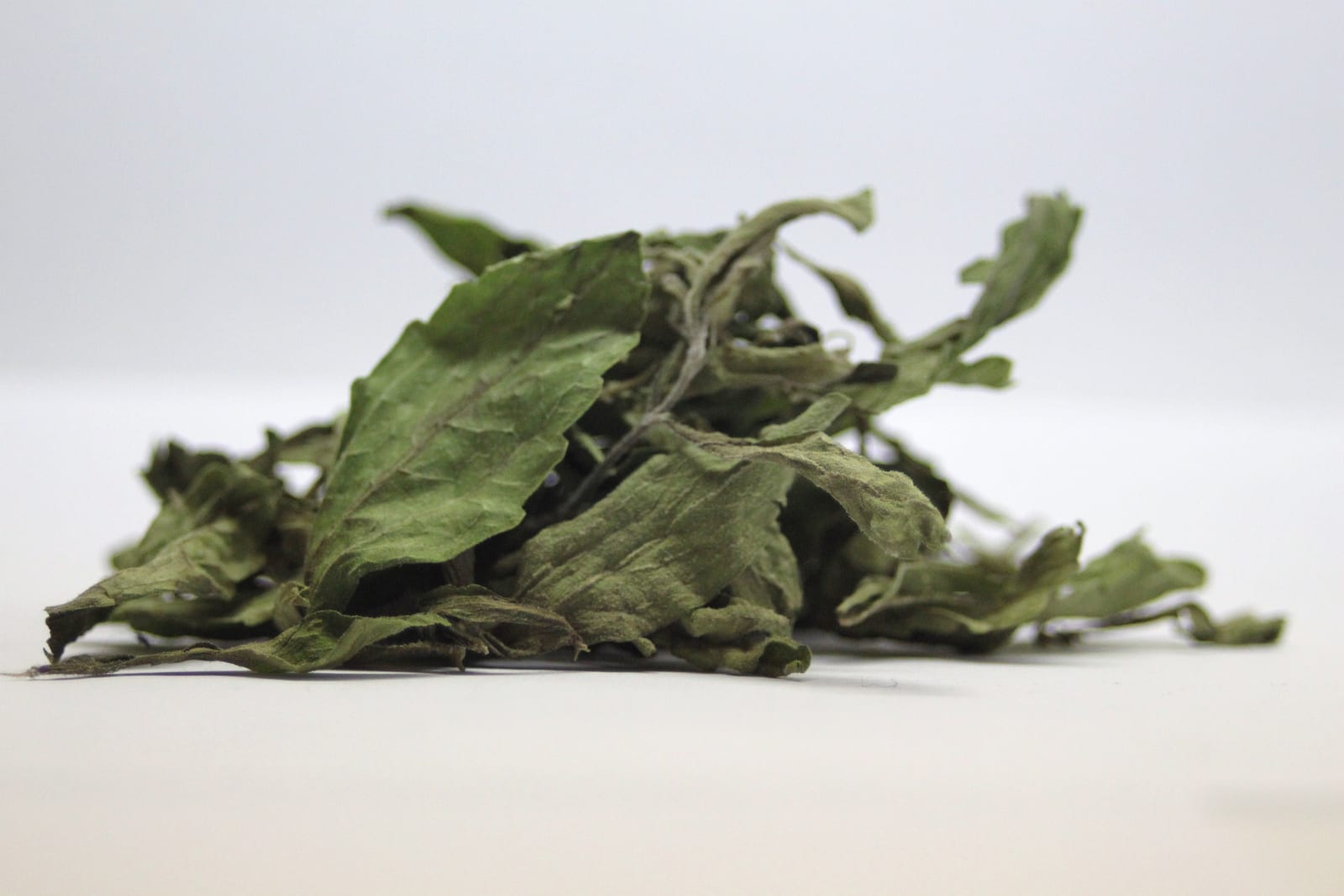
Grows well in Kratky or NFT. Harvest regularly to keep compact. Dry leaves and crush for a natural sweetener.
Growing Details
Mature Size:1.5-3 ft tall, 1-1.5 ft wide
Growth Rate:🌿 Moderate
Zone Performance
Stevia is a true perennial only in its native Zone 9-11 range, where it overwinters outdoors and can be harvested for several years. In colder zones outside this range, it must be grown as an annual or overwintered indoors as a houseplant, since it has essentially no frost tolerance and is killed by the first freeze.
Companions & Wildlife
🦌 Deer Resistance
occasionally damaged
Stevia's tender, sweet leaves offer little natural deterrence and can be browsed by deer, especially young transplants.
🐝 Pollinator Value
low
Stevia's small white flowers offer modest nectar for tiny native bees but are typically removed by growers to keep the plant focused on leaf production.
Good Companions
Tomato — Stevia's mild, non-competitive habit and similar moderate water needs make it an easy-to-tuck-in companion in a warm vegetable bed.
Pepper — Both share full-sun, warm-season growing conditions and moderate watering needs, making shared bed space efficient.
Cabbage — Stevia's dense leafy growth can help shade the soil and suppress weeds around brassica plantings without competing aggressively.
Troubleshooting
⚠️ Sudden death after a light frost
Bring container-grown plants indoors before the first fall frost in any zone colder than 9, or take stem cuttings in late summer to root and overwinter indoors.
⚠️ Leggy, sparse growth and reduced sweetness
Pinch growing tips regularly to encourage bushy growth and harvest leaves before the plant flowers, since sweetness (stevioside content) peaks just before bloom.
⚠️ Root rot in heavy, poorly drained soil
Grow in loose, well-drained soil or raised beds and avoid overwatering between waterings.
⚠️ Slow, difficult germination from seed
Propagate from stem cuttings instead of seed, since stevia seed has notoriously low and inconsistent viability.
✅ Pet Safety
Generally considered non-toxic to cats and dogs in small amounts, though it's not a typical pet treat.
Informational only — always check with a veterinarian if you suspect your pet has eaten something it shouldn't have.
🌿 Traditional & Medicinal Use
The source of a widely-used natural zero-calorie sweetener (steviol glycosides) — a food/sweetener use, not a medicinal preparation.
Informational only, not medical advice — consult a healthcare provider before using any plant medicinally.