Loading…
 🔍 Click to enlarge
shrubperennial
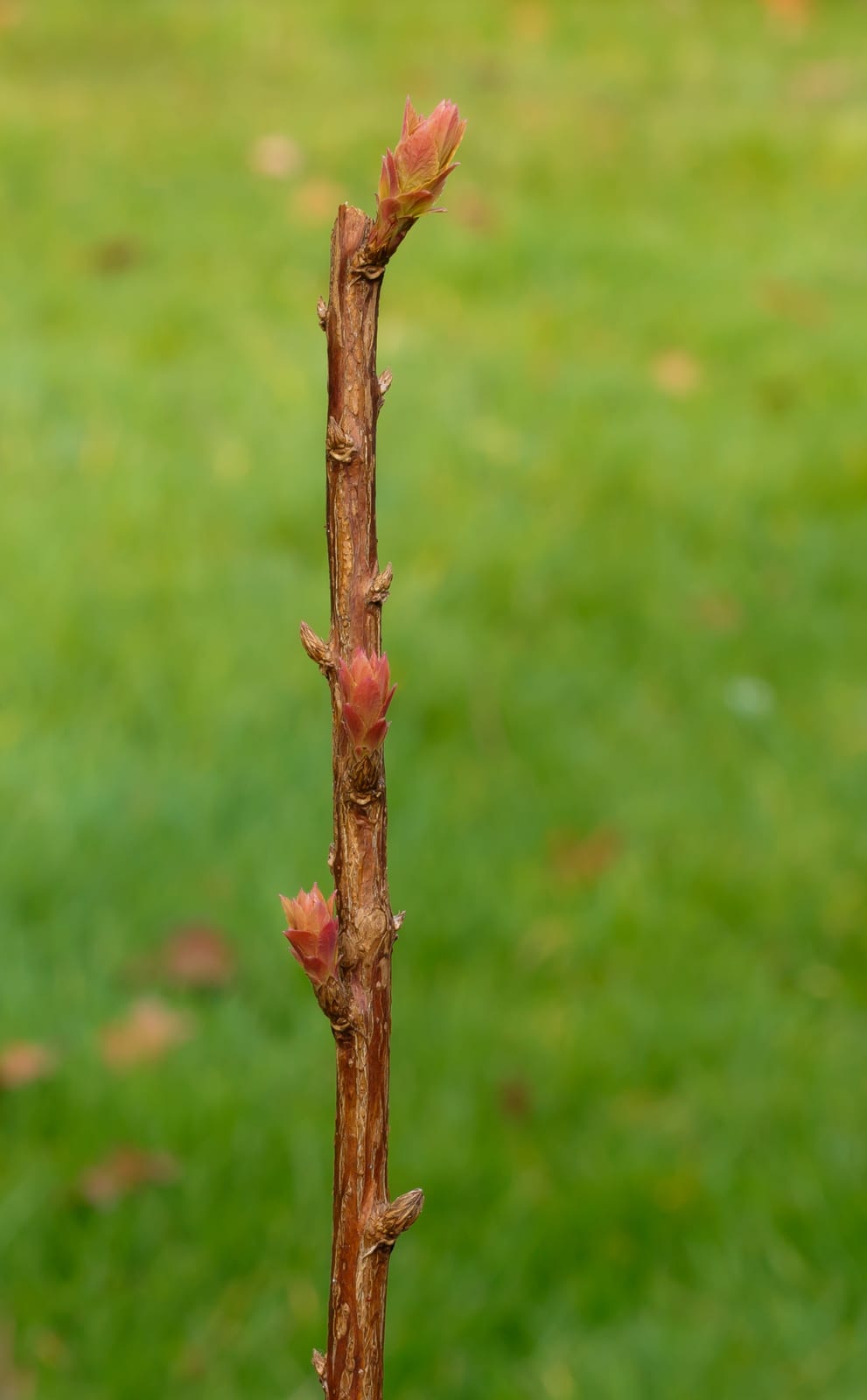
Spirea
Spiraea japonica
Easy, versatile shrub with white or pink flowers. Some varieties have colorful foliage.
Quick Facts
Sun:☀️ Full Sun
Water:💧💧 Moderate
USDA Zones:Zones 3–9
Space:🌱 Small Bed, 🏡 Large Garden
Soil:Loam, Clay, Silty, Sandy
Best Season(s):Spring, Fall
Experience Level:🌱 Beginner
Native Range:Japan, China & Korea
Bloom Color:Pink, white, red (small clustered blooms)
Bloom Cycle:Late spring through summer, some varieties rebloom
Care Notes
Shear back by one-third after blooming to encourage reblooming. Very low maintenance.
Growing Details
Mature Size:3-5 ft tall, 3-5 ft wide
Growth Rate:🐇 Fast
Zone Performance
At the cold end of its range (Zone 3), spirea may experience some tip dieback in exceptionally harsh winters but rebounds quickly from the base due to its vigorous growth habit; in Zone 8-9 it blooms earlier and benefits from the post-bloom shearing being done promptly to trigger a strong rebloom before summer heat sets in.
Companions & Wildlife
🦌 Deer Resistance
seldom damaged
Deer generally bypass spirea in favor of more palatable plants, making it a dependable choice in browse-heavy landscapes.
🐝 Pollinator Value
moderate
Flat-topped flower clusters are easily accessible to small native bees, honeybees, and butterflies throughout the bloom period.
Good Companions
Daylily — Blooms through the same summer stretch and tolerates the same range of soil types and full sun exposure.
Russian Sage — Complements spirea's pink or white flower clusters with airy blue spikes and matching drought tolerance.
Black-Eyed Susan — Shares spirea's easygoing, low-maintenance nature and extends bloom color into late summer and fall.
Boxwood — Gives structural contrast against spirea's soft mounded form in a mixed foundation planting.
Troubleshooting
⚠️ Sparse second bloom
Shear back by one-third immediately after the first flower flush fades to stimulate a reliable rebloom later in summer.
⚠️ Powdery mildew in humid conditions
Space plants for good air circulation and avoid overhead watering late in the day.
⚠️ Aphids clustering on new growth
Spray off with a strong jet of water or apply insecticidal soap; populations are rarely severe enough to threaten the plant's health.
✅ Pet Safety
Generally considered non-toxic to cats and dogs.
Informational only — always check with a veterinarian if you suspect your pet has eaten something it shouldn't have.