Loading…
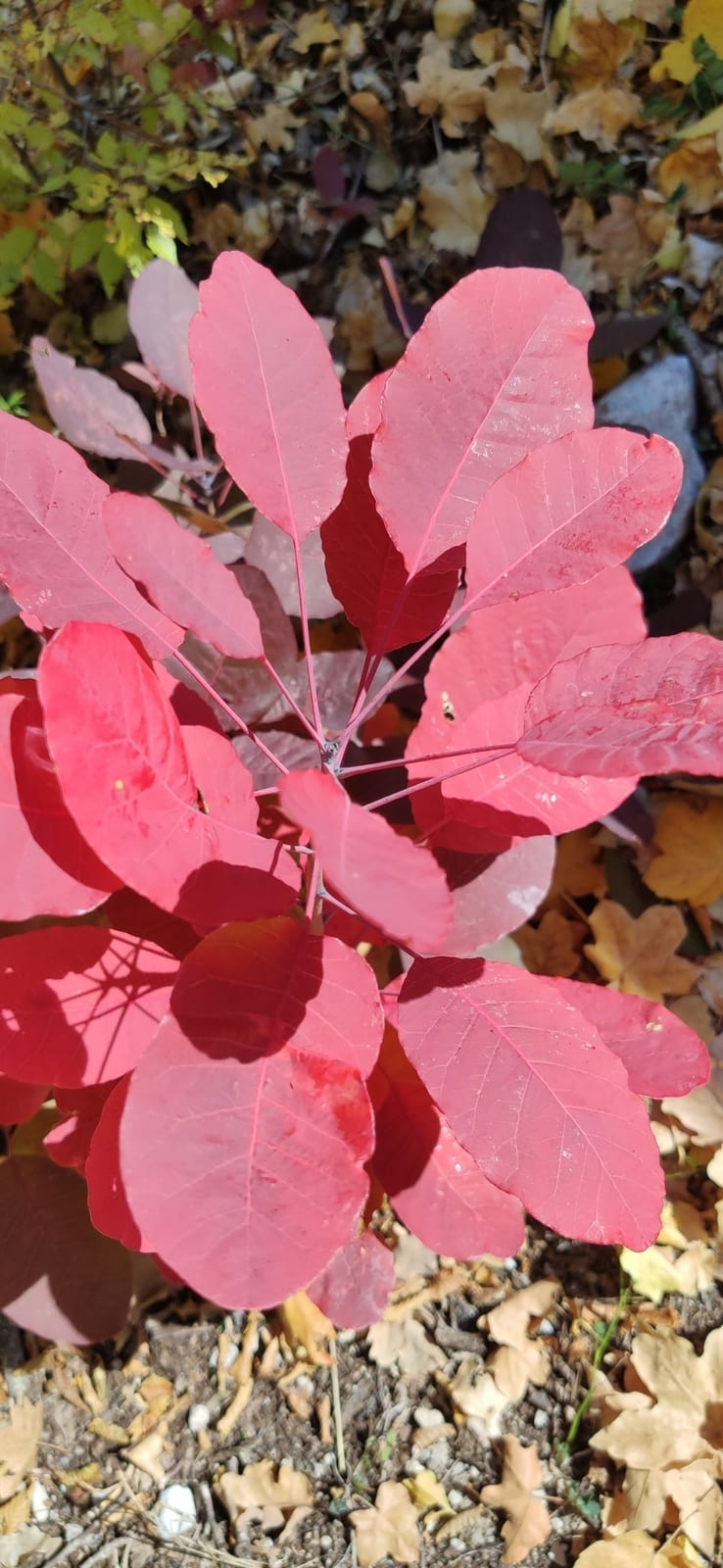 🔍 Click to enlarge
shrubperennial
Smokebush
Cotinus coggygria
Striking shrub with purple foliage and smoky, cloud-like flower plumes. A bold landscape accent.
Quick Facts
Sun:☀️ Full Sun
Water:💧 Low
USDA Zones:Zones 4–9
Space:🌱 Small Bed, 🏡 Large Garden
Soil:Loam, Sandy, Chalky, Silty
Best Season(s):Spring, Fall
Experience Level:🌱 Beginner
Native Range:Southern Europe to Central China
Bloom Color:Pink-purple wispy plumes (the "smoke")
Bloom Cycle:Early summer, with the smoky seed-head effect lasting for weeks after
Care Notes
Cut back hard each spring for best foliage color, or leave unpruned for the flower display.
Growing Details
Mature Size:10-15 ft tall, 10-15 ft wide
Growth Rate:🌿 Moderate
Zone Performance
In Zone 4, smokebush can suffer some tip dieback in severe winters but recovers vigorously since it flowers on new wood, making hard spring pruning a non-issue there; in Zone 9, it appreciates a bit of relief from the most intense afternoon sun and benefits from occasional deep watering during extended summer drought despite its general drought tolerance.
Companions & Wildlife
🦌 Deer Resistance
seldom damaged
The tough, somewhat bitter foliage is not a preferred deer browse, though young transplants can occasionally be nibbled.
🐝 Pollinator Value
moderate
The tiny true flowers hidden within the smoky plumes attract small native bees and occasional butterflies during the early summer bloom.
Good Companions
Russian Sage — Shares smokebush's drought tolerance and full-sun requirement, with airy blue spikes echoing the shrub's smoky flower plumes.
Ornamental Grasses — Complements smokebush's cloud-like flower texture and shares the same low-water, full-sun growing conditions.
Coneflower (Echinacea) — Blooms through summer at the base of smokebush, adding season-long color beneath its bold purple foliage.
Sedum 'Autumn Joy' — Matches smokebush's drought tolerance and picks up color into fall as the shrub's own foliage turns fiery orange-red.
Troubleshooting
⚠️ Verticillium wilt causing sudden branch death
Prune out and destroy affected branches well below the wilted section, disinfecting tools between cuts, since there is no chemical cure.
⚠️ Reduced smoky flower display when pruned hard
Choose between cutting back hard each spring for the best purple foliage color or leaving it unpruned to maximize the flower plumes, since you can't fully have both in the same season.
⚠️ Leggy, open growth habit
Pinch or lightly prune young plants to encourage branching low on the plant before it matures into a tree-like form.
✅ Pet Safety
Generally considered non-toxic to cats and dogs.
Informational only — always check with a veterinarian if you suspect your pet has eaten something it shouldn't have.