Loading…
 🔍 Click to enlarge
shrubperennial
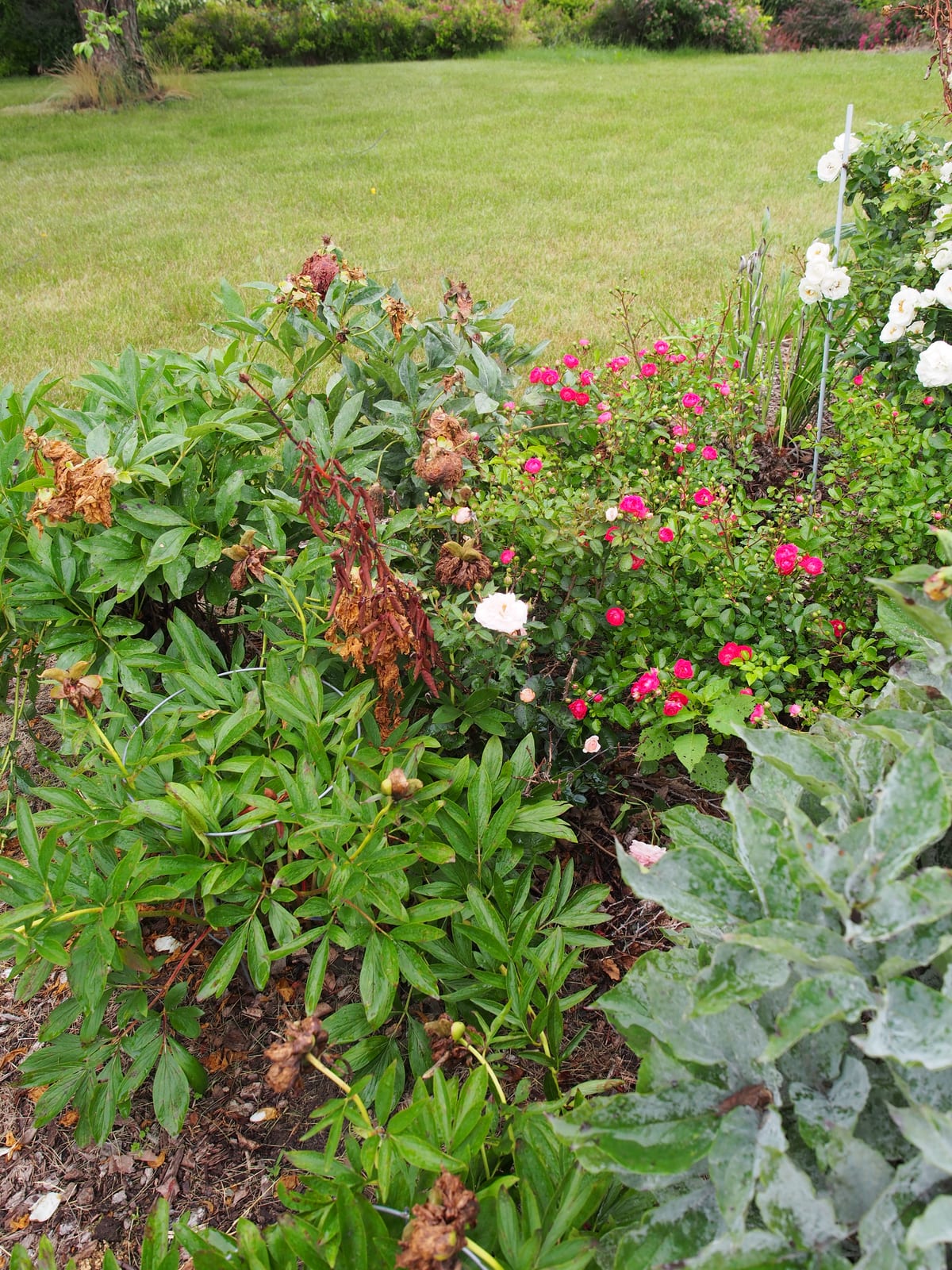
Shrub Rose (English/Landscape Rose)
Rosa spp. (shrub/landscape cultivars)
Tough, disease-resistant repeat-bloomer bred for easy landscape use rather than exhibition-quality cut flowers.
Quick Facts
Sun:☀️ Full Sun
Water:💧💧 Moderate
USDA Zones:Zones 4–9
Space:🌱 Small Bed, 🏡 Large Garden
Soil:Loam, Clay, Silty
Best Season(s):Spring, Summer, Fall
Experience Level:🌱 Beginner
Native Range:Garden hybrid (parent species from Asia, Europe & North America)
Bloom Color:Wide range — red, pink, white, yellow, orange, bicolor
Bloom Cycle:Repeat bloomer through summer and into fall
Care Notes
Far lower-maintenance than hybrid teas — light annual pruning is usually enough. Excellent choice for beginners.
Growing Details
Mature Size:3-5 ft tall, 3-5 ft wide (varies by series; some landscape types reach 4-6 ft)
Growth Rate:🐇 Fast
Zone Performance
In zone 4, some shrub rose series need winter mulching over the crown, though many of the modern landscape types are bred for own-root hardiness without grafting concerns. In zone 9, plants bloom nearly continuously through the long growing season and benefit from a mid-summer pruning to remove spent blooms and encourage a strong fall flush.
Companions & Wildlife
🦌 Deer Resistance
occasionally damaged
Shrub roses are browsed less readily than Hybrid Teas due to denser, thornier growth, but deer will still eat foliage and buds when pressure is high.
🐝 Pollinator Value
high
Many popular series like Knock Out and single-flowered English shrub roses have accessible centers that bumblebees and other native bees can easily forage.
Good Companions
Catmint (Nepeta) — A classic low-maintenance pairing sharing the same full-sun, well-drained conditions, with Catmint's long bloom season complementing repeat-flowering Shrub Roses.
Russian Sage (Perovskia) — Matches Shrub Rose's drought tolerance and sun requirements while adding airy purple vertical interest against the rose's denser mounded form.
Ornamental Grasses (Little Bluestem) — Tolerates the same lean, well-drained soil and provides textural contrast and fall interest once the rose's main flush has slowed.
Yarrow — Thrives in identical sun and soil conditions with minimal care, extending bloom color in the same low-maintenance landscape bed.
Troubleshooting
⚠️ Occasional blackspot or powdery mildew in humid weather
Space plants for good air circulation and water at the base, though most modern shrub rose series have strong built-in disease resistance requiring little spraying.
⚠️ Overly dense, twiggy growth reducing bloom size
Prune back by one-third to one-half in late winter or early spring to open up the center and encourage vigorous new flowering wood.
⚠️ Japanese beetles feeding on blooms and foliage
Hand-pick beetles into soapy water during peak activity in early morning, focusing on the most fragrant open blooms where they congregate.
✅ Pet Safety
Petals and hips are generally non-toxic to cats and dogs; thorns pose a physical hazard.
Informational only — always check with a veterinarian if you suspect your pet has eaten something it shouldn't have.
🌿 Traditional & Medicinal Use
Rose hips (the fruit) are a well-documented source of vitamin C and are traditionally used in teas — food/traditional use, not medical advice.
Informational only, not medical advice — consult a healthcare provider before using any plant medicinally.