Loading…
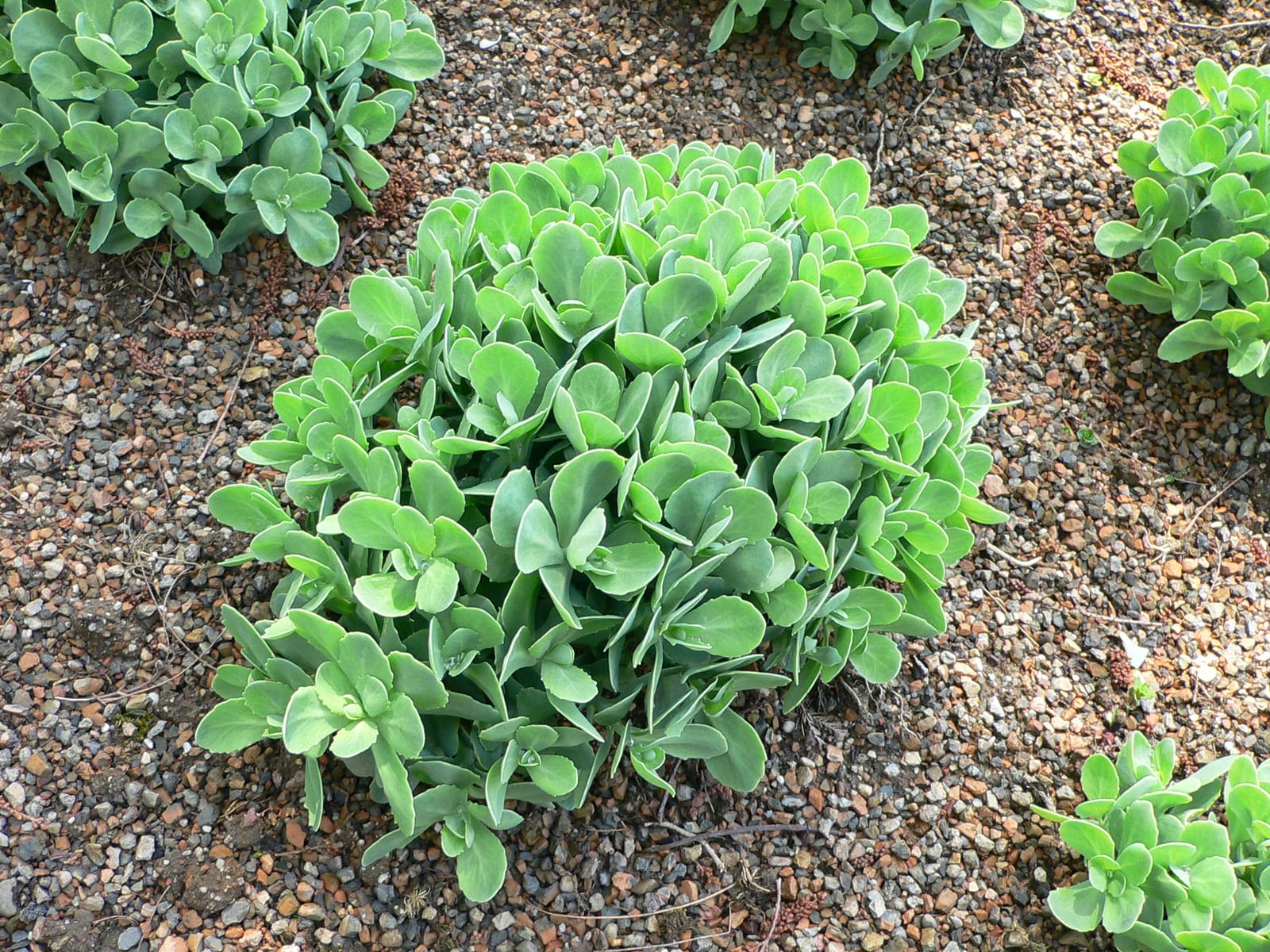 🔍 Click to enlarge
succulentperennial
Sedum (Stonecrop)
Sedum spectabile
Extremely hardy succulent with late-season blooms that attract butterflies. Excellent for dry gardens.
Quick Facts
Sun:☀️ Full Sun
Water:💧 Low
USDA Zones:Zones 3–10
Space:🪴 Container, 🌱 Small Bed, 🏡 Large Garden
Soil:Sandy, Loam, Chalky, Silty
Best Season(s):Spring, Summer, Fall
Experience Level:🌱 Beginner
Native Range:China & Korea
Bloom Color:Pink-red flat-topped clusters
Bloom Cycle:Late summer through fall
Care Notes
Nearly indestructible — thrives on neglect. Leave seed heads for winter interest and bird food.
Growing Details
Mature Size:18-24 in tall, 18-24 in wide
Growth Rate:🌿 Moderate
Zone Performance
In zone 3, tall sedum is fully hardy and one of the most reliable perennials for extreme cold, though it may bloom slightly later given the shorter growing season. In zone 10, it performs best with some afternoon shade and excellent drainage, since prolonged heat and humidity combined with wet soil can cause the crown to rot.
Companions & Wildlife
🦌 Deer Resistance
seldom damaged
The thick, fleshy leaves are not a preferred deer food, though hungry deer in early spring may occasionally nip young shoots.
🐝 Pollinator Value
high
Late-summer flat-topped flower clusters are a major late-season nectar source for bees, butterflies (including migrating monarchs), and other pollinators.
Good Companions
Russian Sage — Both are extremely drought-tolerant and share the same lean, well-drained soil preference for xeriscape plantings.
Purple Coneflower — Blooms at the same late-summer time and both attract pollinators, extending the nectar season together.
Ornamental Grasses (e.g., Switchgrass) — Fine grass texture contrasts with sedum's fleshy rounded leaf clusters and flat flower heads for classic prairie-style plantings.
Black-Eyed Susan — Golden late-summer blooms complement sedum's pink-to-rust flower color transition into fall.
Troubleshooting
⚠️ Floppy, splayed-open clumps
Cut back by half in early June ('Chelsea chop') to encourage bushier, sturdier growth that resists flopping later in the season.
⚠️ Crown or root rot in wet soil
Plant in raised beds or amend with grit to ensure sharp drainage, especially in clay soils.
⚠️ Sparse flowering
Ensure at least 6 hours of direct sun daily — sedum blooms poorly in shade.
✅ Pet Safety
Generally considered non-toxic to cats and dogs.
Informational only — always check with a veterinarian if you suspect your pet has eaten something it shouldn't have.