Loading…
 🔍 Click to enlarge
flowerperennial
Salvia
Salvia spp.
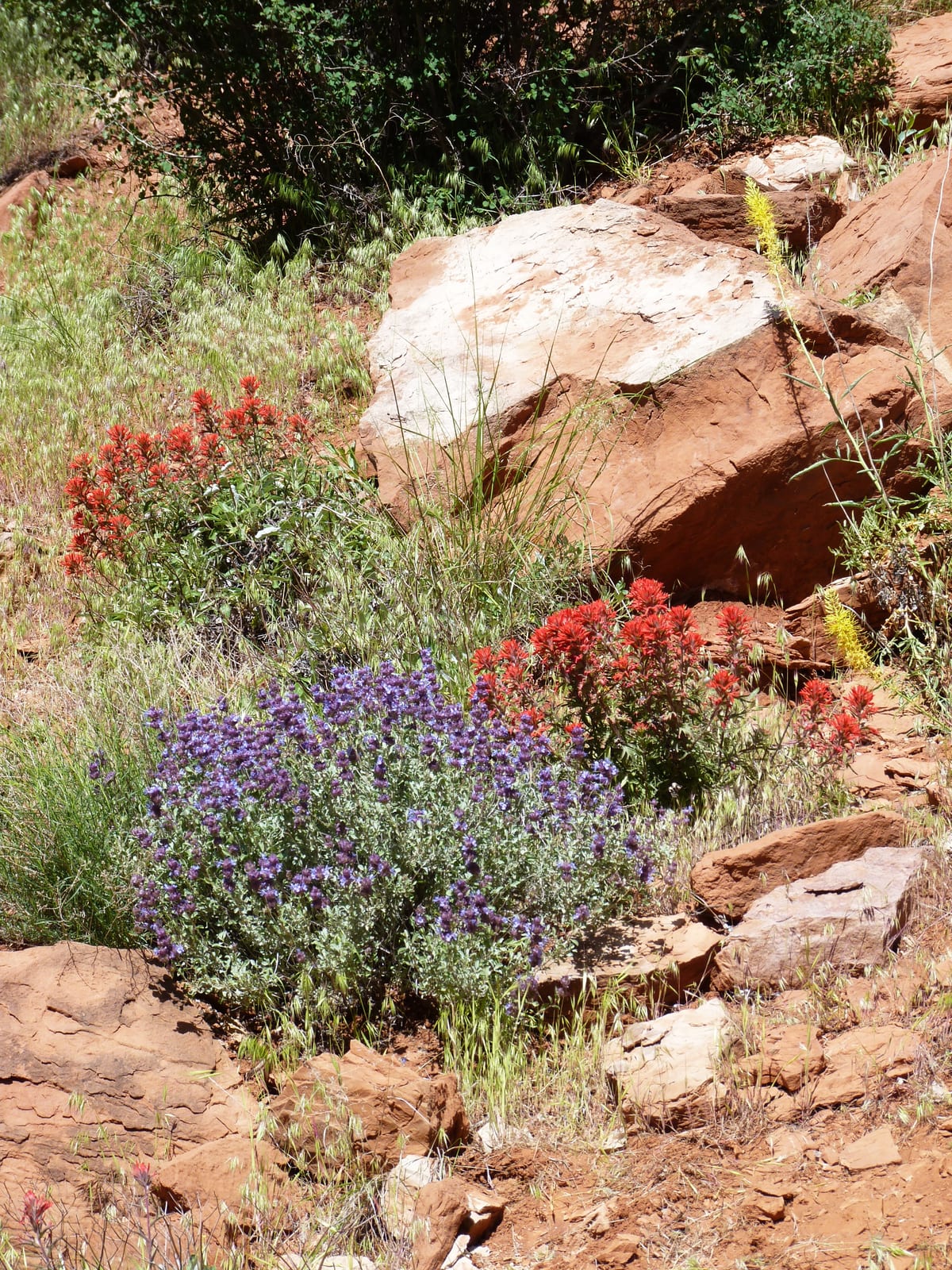
Spiky blooms in vivid blues, purples, and reds. Hummingbirds and bees absolutely love it.
Quick Facts
Sun:☀️ Full Sun
Water:💧 Low
USDA Zones:Zones 4–11
Space:🪴 Container, 🌱 Small Bed, 🏡 Large Garden
Soil:Loam, Sandy, Chalky
Best Season(s):Spring, Summer
Experience Level:🌱 Beginner
Native Range:Central & South America (ornamental garden species)
Bloom Color:Blue, purple, red, pink, white
Bloom Cycle:Summer through fall, continuous on many varieties
Care Notes
Deadhead to encourage reblooming. Very drought tolerant once established. Cut back in fall.
Growing Details
Mature Size:1.5-3 ft tall, 1.5-2 ft wide
Growth Rate:🐇 Fast
Zone Performance
At the cold edge of its range (zone 4-5) many perennial salvias benefit from a winter mulch and may still be treated as short-lived perennials or reseeding annuals in harsh winters. In the warm end of its range (zones 9-11), salvia can bloom nearly year-round with minimal dormancy and often needs periodic hard cutbacks to prevent woody, sprawling growth.
Companions & Wildlife
🦌 Deer Resistance
rarely damaged
The aromatic, slightly fuzzy foliage typical of Salvia species is one of the most consistently deer-resistant traits in the perennial border.
🐝 Pollinator Value
high
Tubular flowers are a favorite nectar source for hummingbirds, bumblebees, and native long-tongued bees throughout the bloom season.
Good Companions
Russian Sage — Shares identical drought tolerance and full-sun requirements while echoing salvia's blue-purple spiky form for a cohesive dry border.
Coreopsis — Golden daisy-like blooms provide color contrast against salvia's spikes and both thrive on neglect in lean, sandy soil.
Yarrow — Both are highly drought tolerant once established and bloom over a long season, reducing supplemental watering needs in a mixed bed.
Ornamental Grasses — Fine grass texture and movement complement salvia's dense spikes while requiring the same lean, well-drained conditions.
Troubleshooting
⚠️ Stops blooming by midsummer
Deadhead spent spikes down to a lateral bud to trigger a strong second flush of bloom.
⚠️ Floppy, sprawling stems
Grow in lean soil without added fertilizer, since rich soil produces weak, floppy growth; stake tall cultivars if needed.
⚠️ Woody, unproductive base after several years
Cut plants back hard by one-third in early spring before new growth emerges to rejuvenate the plant.
✅ Pet Safety
Ornamental salvias are generally considered non-toxic to cats and dogs.
Informational only — always check with a veterinarian if you suspect your pet has eaten something it shouldn't have.