Loading…
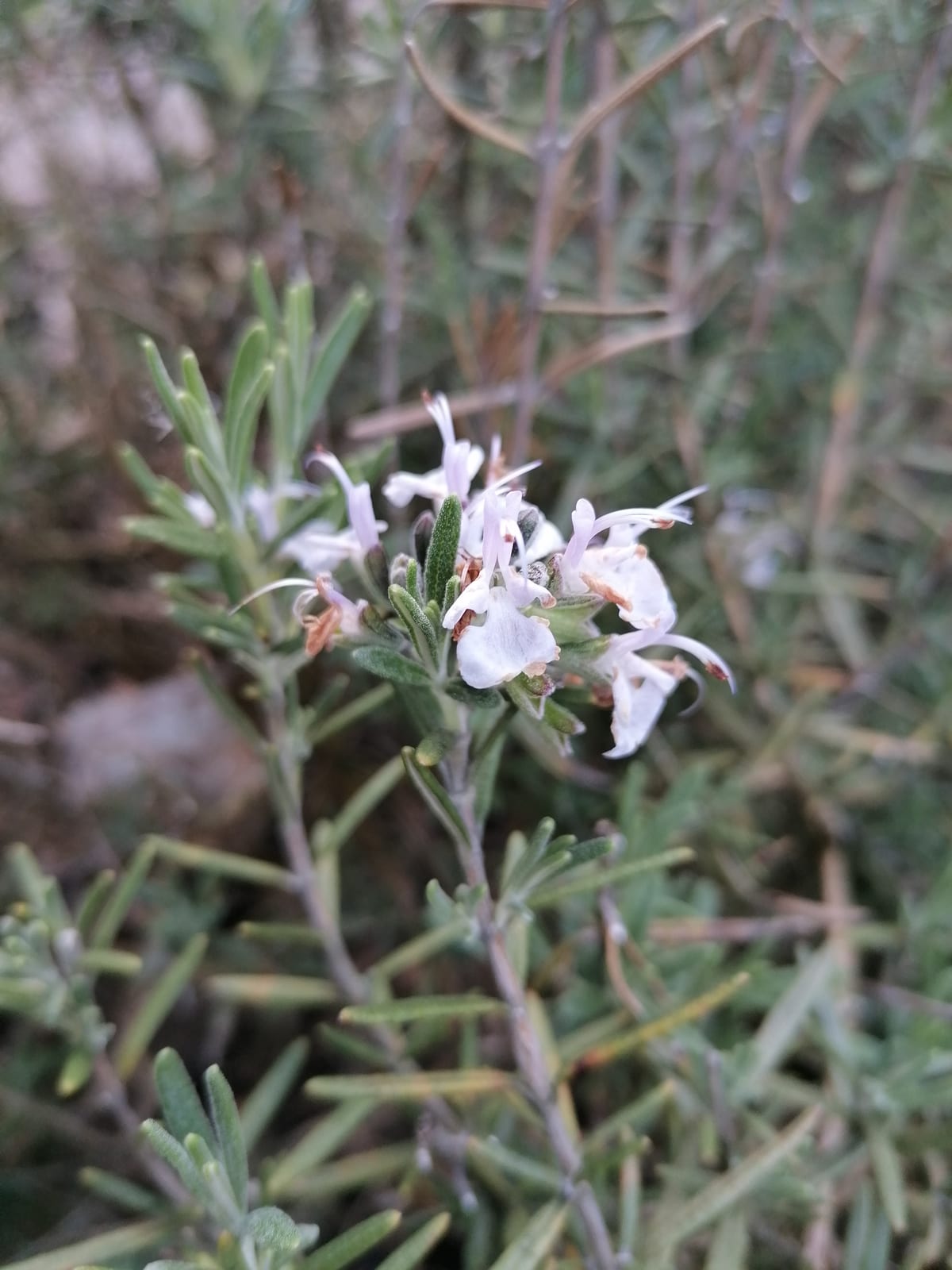 🔍 Click to enlarge
herbperennial💧 Hydroponic-Compatible
Rosemary
Salvia rosmarinus
Fragrant Mediterranean herb that doubles as an ornamental shrub.
Quick Facts
Sun:☀️ Full Sun
Water:💧 Low
USDA Zones:Zones 7–11
Space:🪴 Container, 🌱 Small Bed, 🏡 Large Garden
Soil:Sandy, Loam, Chalky
Best Season(s):Spring
Experience Level:🌱 Beginner
Native Range:Mediterranean Basin
Bloom Color:Pale blue to lavender
Bloom Cycle:Can bloom in late winter/early spring in mild climates
Days to Harvest:8–12 weeks to harvestable size
Harvest Pattern:Perennial — produces year after year
Care Notes
Excellent drainage is critical. Do not overwater. Hardy in warm zones.
💧 Hydroponic Notes
Grows slowly but reliably in hydro. Kratky works well. Allow some air exposure between waterings — it prefers slightly drier conditions. Woody stem cuttings root best.
Growing Details
Mature Size:2-6 ft tall, 2-4 ft wide (trailing types spread 2-3 ft and stay under 1 ft tall)
Growth Rate:🐢 Slow
Zone Performance
Rosemary's hardiness edge sits right around Zone 7, so at the cold end of its range plants need a sheltered, south-facing spot and reliable snow cover or winter mulch to survive, and even then a hard freeze can kill an unprotected plant. In Zones 9-11 it becomes a true woody, largely evergreen perennial shrub that can live for decades and is often trained into hedges or topiary forms.
Companions & Wildlife
🦌 Deer Resistance
rarely damaged
The tough, resinous, highly aromatic needles of rosemary are almost never browsed by deer.
🐝 Pollinator Value
high
Rosemary's pale blue late-winter and spring flowers are an important early-season nectar source for honeybees and native bumblebees.
Good Companions
Cabbage — Rosemary's strong resinous scent is a traditional deterrent for cabbage moths that target brassica plantings.
Bean — Rosemary is reputed to repel bean beetles thanks to its pungent essential oils.
Carrot — The strong scent of rosemary can help mask carrots from carrot rust flies searching by smell.
Sage — Both are drought-tolerant Mediterranean natives that share identical sun, soil, and watering needs, making bed planning simple.
Troubleshooting
⚠️ Root rot and blackened lower stems from soggy soil
Plant in raised beds or amend heavily with grit/sand, and never let containers sit in a saucer of standing water.
⚠️ Powdery mildew in humid or crowded conditions
Space plants for airflow and prune the interior of the shrub annually to open it up.
⚠️ Spider mites causing fine stippling and webbing, especially on indoor overwintered plants
Increase humidity around indoor plants and rinse foliage periodically; treat active infestations with insecticidal soap.
⚠️ Winter dieback in marginal zones
Grow borderline-hardy cultivars like 'Arp' or 'Hill Hardy', site plants against a warm wall, and apply a thick mulch layer before the first hard freeze.
✅ Pet Safety
Non-toxic to cats and dogs in normal culinary amounts.
Informational only — always check with a veterinarian if you suspect your pet has eaten something it shouldn't have.
🌿 Traditional & Medicinal Use
Traditional folk use for mental clarity and as a circulatory tonic — primarily a culinary herb; see the Medicinal Herb Garden guide for detail.
Informational only, not medical advice — consult a healthcare provider before using any plant medicinally.