Loading…
 🔍 Click to enlarge
treeperennial
River Birch
Betula nigra
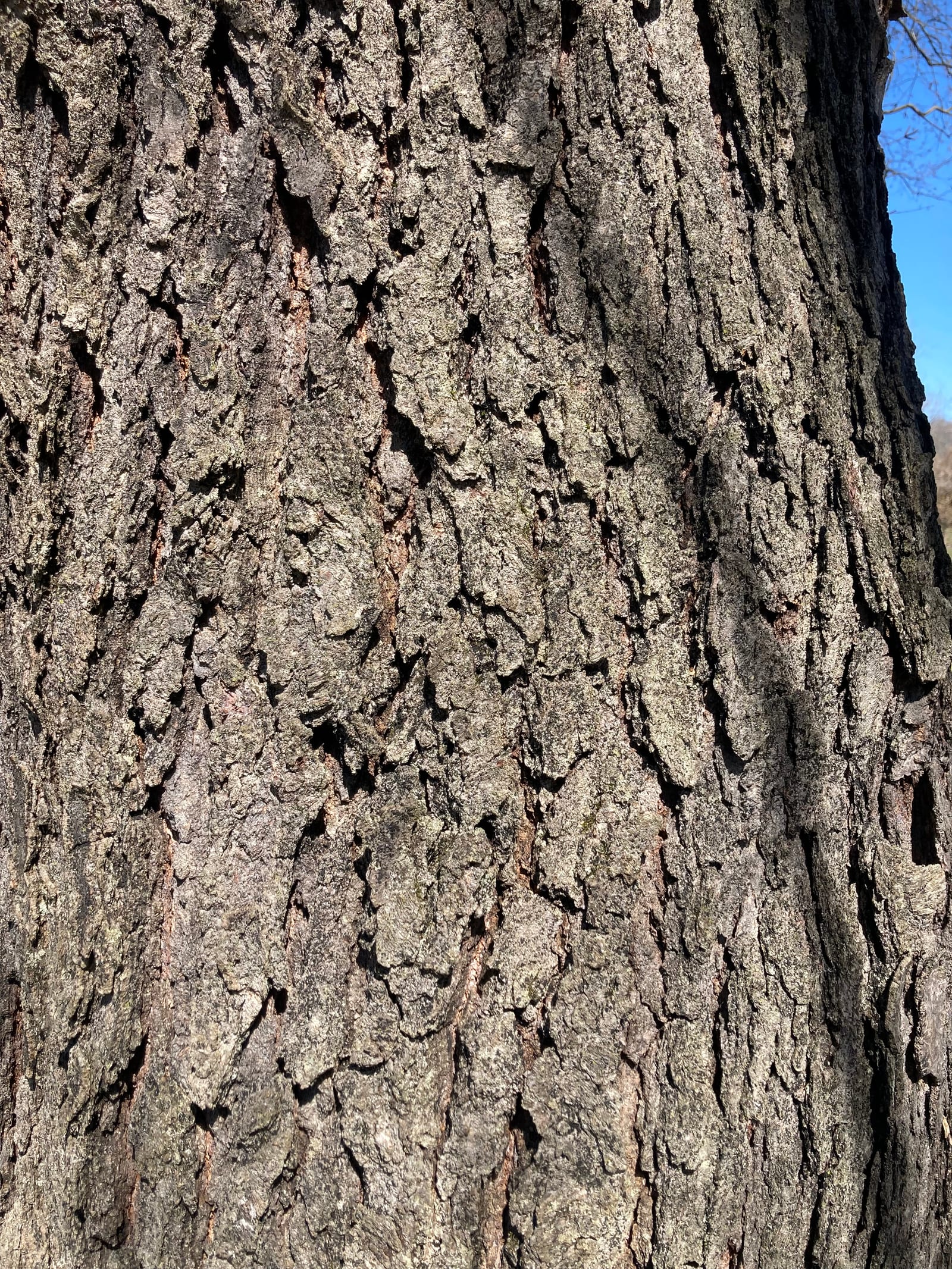
Fast-growing native with exfoliating cinnamon-colored bark. Excellent near water or in wet areas.
Quick Facts
Sun:☀️ Full Sun, ⛅ Partial Shade
Water:💧💧💧 High
USDA Zones:Zones 4–9
Space:🏡 Large Garden
Soil:Loam, Clay, Silty, Sandy
Best Season(s):Spring, Fall
Experience Level:🌱 Beginner
Native Range:Eastern United States
Bloom Color:Catkins, inconspicuous (valued for peeling bark)
Bloom Cycle:Early spring
Care Notes
Thrives in wet soils where other trees struggle. Multi-stem form is most ornamental.
Growing Details
Mature Size:40-70 ft tall, 40-60 ft wide
Growth Rate:🐇 Fast
Zone Performance
At the cold edge (Zone 4), river birch is fully hardy and largely free of the bronze birch borer that plagues other birches in warm climates; at the warm edge (Zone 9), it is one of the few birches that reliably tolerates heat and humidity, though it appreciates supplemental water during prolonged summer drought. Its native range along Southeastern and Midwestern floodplains explains its unusual heat tolerance compared to other birch species.
Companions & Wildlife
🦌 Deer Resistance
seldom damaged
The bark and foliage are not a preferred browse, making it a reliable choice in deer-heavy landscapes.
🐝 Pollinator Value
moderate
Wind-pollinated catkins provide early-season pollen for native bees, and the tree hosts numerous native moth and butterfly caterpillars.
Good Companions
Winterberry Holly — Shares a preference for consistently moist to wet soils and thrives in the same rain-garden or low-spot plantings.
Switchgrass — Native ornamental grass tolerant of the same damp soils, providing textural contrast at the birch's base.
Cardinal Flower — Moisture-loving native perennial that fills the understory in the same wet-soil conditions river birch favors.
Inkberry Holly — Evergreen shrub tolerant of wet soil that provides year-round structure beneath the birch's dappled shade.
Troubleshooting
⚠️ Leaf yellowing (iron chlorosis) in alkaline soil
Amend soil pH downward with sulfur or use chelated iron treatments; avoid high-pH sites.
⚠️ Aphids producing sticky honeydew
Spray foliage with a strong water jet or insecticidal soap; tolerate light infestations since natural predators usually control them.
⚠️ Leaf scorch in drought
Water deeply during dry spells, especially for young trees, since river birch's shallow roots dry out quickly.
✅ Pet Safety
Generally considered non-toxic to cats and dogs.
Informational only — always check with a veterinarian if you suspect your pet has eaten something it shouldn't have.