Loading…
 🔍 Click to enlarge
shrubperennial
Rhododendron
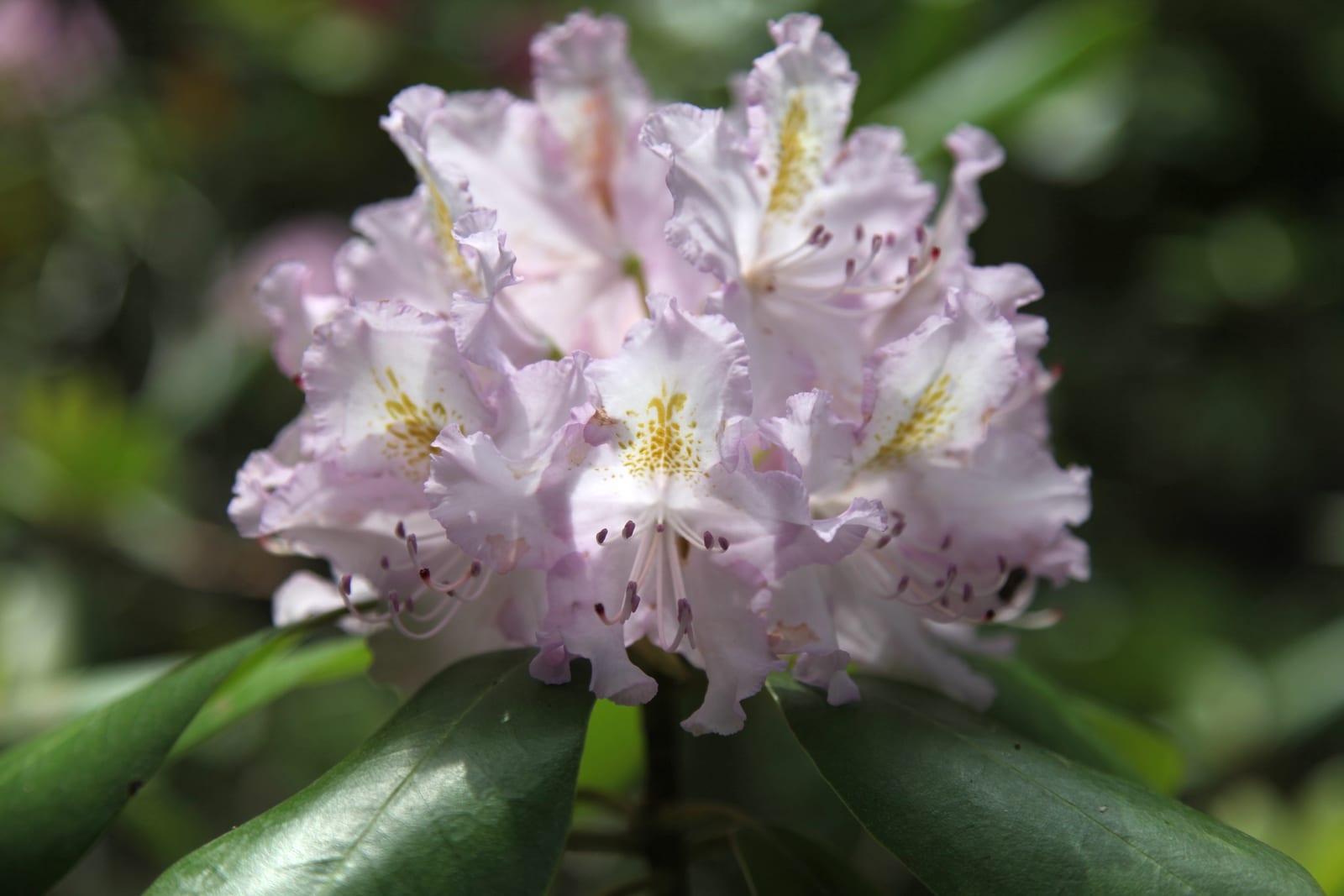
Rhododendron catawbiense
Spectacular spring-blooming broadleaf evergreen. Bold flower trusses in pink, red, purple, or white.
Quick Facts
Sun:⛅ Partial Shade
Water:💧💧 Moderate
USDA Zones:Zones 4–8
Space:🌱 Small Bed, 🏡 Large Garden
Soil:Peaty, Loam, Sandy
Best Season(s):Spring, Fall
Experience Level:🌿 Intermediate
Native Range:Eastern North America (Appalachians)
Bloom Color:Purple, pink, white, red
Bloom Cycle:Mid-to-late spring
Care Notes
Needs acidic soil (pH 4.5–6.0) and excellent drainage. Deadhead after flowering. Never overwater.
Growing Details
Mature Size:6-10 ft tall, 6-10 ft wide
Growth Rate:🐢 Slow
Zone Performance
In Zone 4, only the hardiest catawbiense-derived hybrids (like 'Roseum Elegans' or 'PJM') survive reliably, and winter leaf curling and bronzing is normal cold-protection behavior, not necessarily damage; in Zone 8, summer heat and humidity become the limiting factor rather than cold, and afternoon shade plus consistent moisture become essential to prevent scorch and root stress.
Companions & Wildlife
🦌 Deer Resistance
frequently damaged
Rhododendron is one of deer's preferred winter browse plants, and unprotected specimens are frequently stripped of foliage and flower buds in cold months.
🐝 Pollinator Value
moderate
Large flower trusses attract bumblebees and other native bees, along with occasional hummingbird visits during bloom.
Good Companions
Azalea — A close relative sharing the exact same acidic soil, part-shade, and moisture requirements, extending the bloom season when varieties are staggered.
Japanese Fern (Athyrium niponicum) — Fills the shaded ground plane beneath rhododendron's canopy with textural contrast and matching soil needs.
Mountain Laurel (Kalmia latifolia) — A native woodland companion with the same acidic, well-drained soil preference and overlapping bloom time.
Hosta — Tolerates the same dappled shade and moist, humus-rich soil at the shrub's base.
Troubleshooting
⚠️ Yellowing leaves with green veins (iron chlorosis)
Test and lower soil pH if it has risen above 6.0, since rhododendron requires strongly acidic soil to take up iron properly.
⚠️ Root rot from poor drainage
Plant with the root crown slightly above grade in raised, well-drained beds, since rhododendron roots are extremely intolerant of standing water.
⚠️ Lace bugs stippling leaf surfaces
Inspect leaf undersides for dark excrement spots and treat with insecticidal soap, focusing on plants in full sun where lace bug pressure is highest.
⚠️ Pet Safety
Highly toxic to cats and dogs (grayanotoxins), same family as azalea — every part of the plant is dangerous.
Informational only — always check with a veterinarian if you suspect your pet has eaten something it shouldn't have.