Loading…
 🔍 Click to enlarge
treeperennial
Red Oak
Quercus rubra
Majestic native shade tree with brilliant red fall color. Supports hundreds of wildlife species.
Quick Facts
Sun:☀️ Full Sun
Water:💧💧 Moderate
USDA Zones:Zones 4–9
Space:🏡 Large Garden
Soil:Loam, Sandy, Silty, Clay
Best Season(s):Spring, Fall
Experience Level:🌿 Intermediate
Native Range:Eastern & Central North America
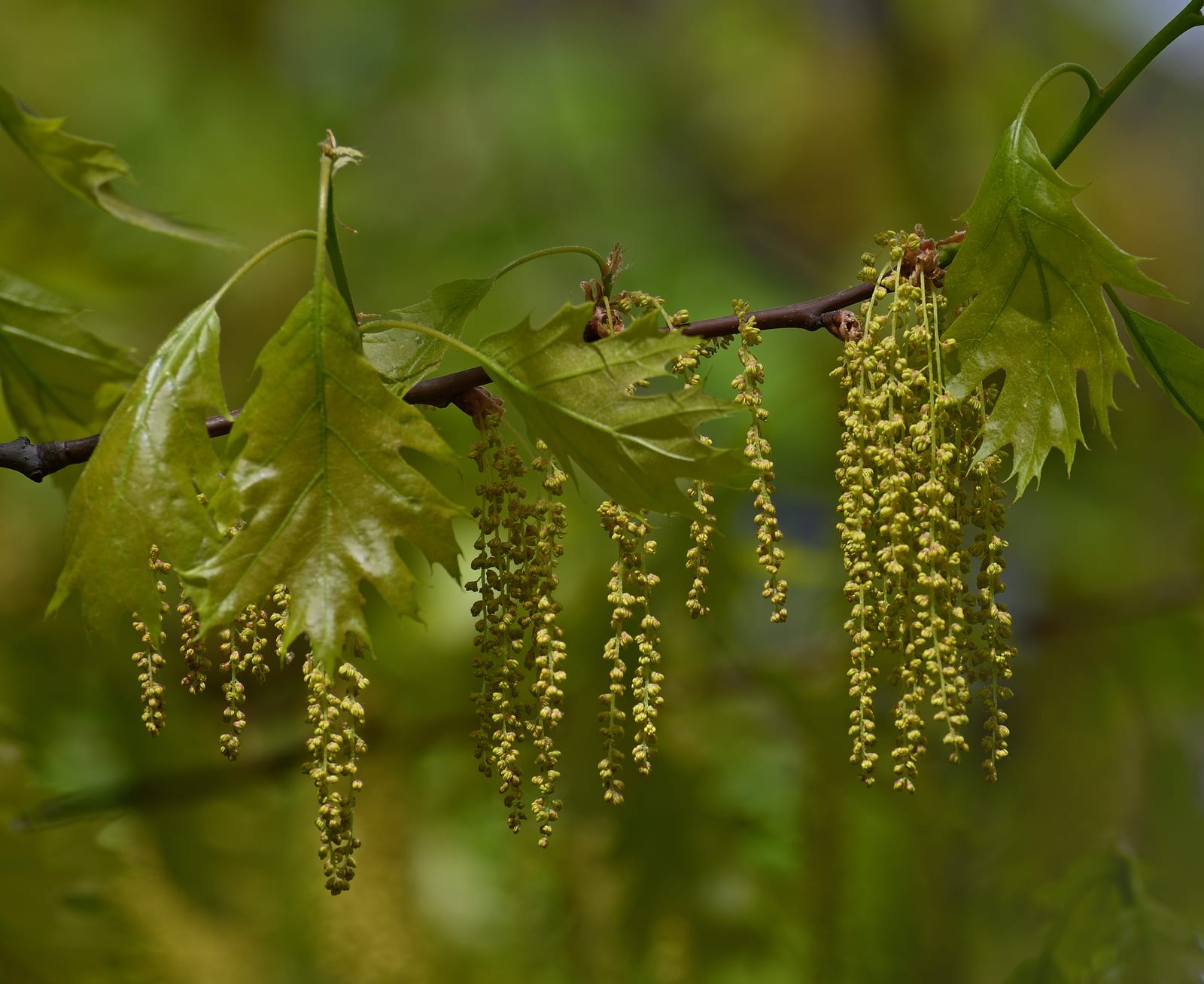
Bloom Color:Catkins, inconspicuous (grown for shade and fall color)
Bloom Cycle:Spring, alongside leaf-out
Care Notes
Slow growing but long-lived. Plant as a legacy tree. Acorns provide critical wildlife food.
Growing Details
Mature Size:60-75 ft tall, 45-50 ft wide
Growth Rate:🌿 Moderate
Zone Performance
At the cold edge (Zone 4), red oak is fully hardy and one of the faster-growing oaks for cold climates; at the warm edge (Zone 9), it experiences more disease pressure from oak wilt and prefers slightly cooler, well-drained sites rather than the heavy heat and humidity that pin oak or live oak tolerate better. Fall color also tends to be more reliably vivid in the cooler northern part of its range.
Companions & Wildlife
🦌 Deer Resistance
occasionally damaged
Deer will browse seedlings and low sprouts, but mature trees are essentially untouched.
🐝 Pollinator Value
high
Oaks host more caterpillar species than almost any other North American tree genus, making them a keystone food source for songbirds, and the acorns feed deer, turkey, and squirrels.
Good Companions
Christmas Fern — Native shade-tolerant groundcover that fills the understory beneath the oak's canopy in the same acidic, well-drained soil.
Wild Ginger — Low native groundcover suited to the dappled shade and leaf-litter-rich soil found under a mature oak.
Serviceberry — Small native understory tree that tolerates the part shade beneath a red oak's high canopy and extends the wildlife food season.
Highbush Blueberry — Shares the oak's preference for acidic soil and benefits from the light shade at the canopy's edge.
Troubleshooting
⚠️ Oak wilt (rapid wilting and leaf browning)
Avoid pruning between April and July when sap beetles spread the fungus, and immediately remove and destroy infected trees.
⚠️ Gypsy moth/spongy moth defoliation
Monitor for egg masses in winter and scrape them off, or treat with Bt (Bacillus thuringiensis) during early larval stages.
⚠️ Slow establishment and transplant shock
Plant young, smaller trees (bare-root or small container) since oaks establish taproots best when planted young rather than as large specimens.
⚠️ Pet Safety
Acorns and young leaves are toxic to cats and dogs in quantity (tannins) — can cause GI upset and, rarely, kidney issues; usually low-risk from occasional acorn snacking.
Informational only — always check with a veterinarian if you suspect your pet has eaten something it shouldn't have.