Loading…
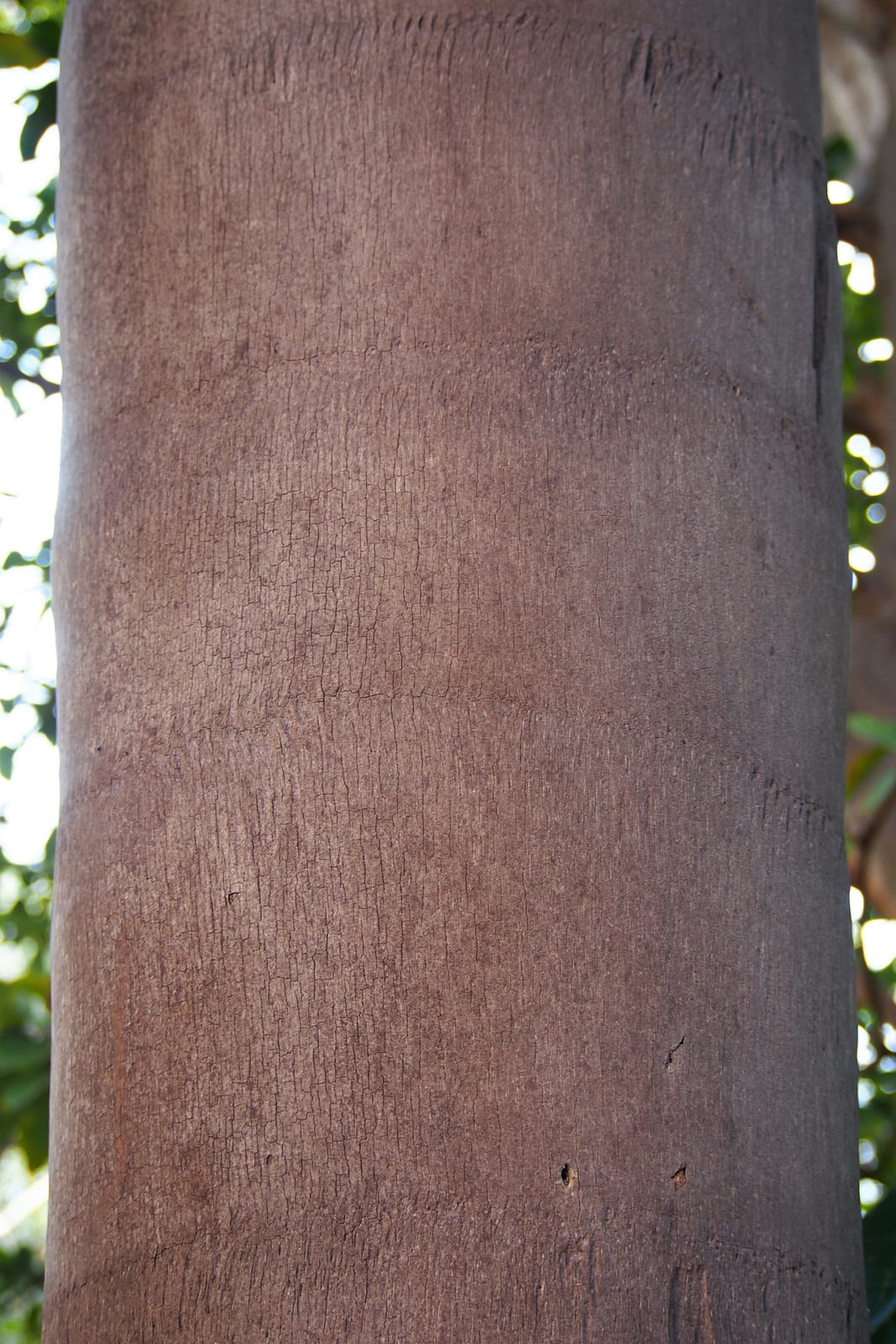 🔍 Click to enlarge
treeperennial
Queen Palm
Syagrus romanzoffiana
Fast-growing palm with graceful, feathery fronds — a signature look for Florida and Southern California landscapes.
Quick Facts
Sun:☀️ Full Sun
Water:💧💧 Moderate
USDA Zones:Zones 9–11
Space:🏡 Large Garden
Soil:Sandy, Loam
Best Season(s):Spring, Summer
Experience Level:🌱 Beginner
Native Range:South America (Brazil, Argentina, Paraguay)
Bloom Color:Creamy yellow plumes
Bloom Cycle:Summer
Care Notes
Feed with a palm-specific fertilizer to prevent nutrient deficiencies. Not cold hardy below the high 20s°F.
Growing Details
Mature Size:35-50 ft tall, 15-25 ft wide
Growth Rate:🐇 Fast
Zone Performance
At the cold edge (zone 9), queen palm is marginally hardy and can suffer serious frond damage or death in hard freezes below the mid-20s°F, so cold protection may be needed during rare cold snaps. In zone 11 at the warm edge, it thrives with essentially no cold risk and grows at its fastest, most vigorous rate.
Companions & Wildlife
🦌 Deer Resistance
rarely damaged
Palms are generally low on the deer browse list, and queen palm's fronds are well out of typical browsing reach at maturity.
🐝 Pollinator Value
moderate
Large hanging flower clusters attract bees and other pollinating insects, and the orange fruit is eaten by birds and squirrels.
Good Companions
Bird of Paradise — Classic tropical companion that shares queen palm's love of full sun and frost-free warmth in Florida and Southern California landscapes.
Bougainvillea — Vigorous flowering vine that pairs well with queen palm's fast, tropical-looking growth habit.
Lantana — Heat- and drought-tolerant groundcover well suited to the sunny base plantings beneath a queen palm.
Society Garlic — Low, drought-tolerant border plant that complements queen palm's tall, airy silhouette.
Troubleshooting
⚠️ Cold damage or death during unexpected freezes
Wrap the trunk and crown with frost cloth during hard freeze warnings, especially for young palms near the cold edge of its range.
⚠️ Nutrient deficiencies (potassium, magnesium, manganese) causing frizzled or discolored fronds
Feed regularly with a palm-specific fertilizer formulated for these micronutrients.
⚠️ Ganoderma butt rot at the base of older palms
There is no cure; remove and destroy affected palms and avoid replanting another palm in the same spot.
✅ Pet Safety
Fronds and trunk are generally non-toxic; fallen fruit can pose a mild GI upset or choking hazard if eaten in quantity.
Informational only — always check with a veterinarian if you suspect your pet has eaten something it shouldn't have.