Loading…
 🔍 Click to enlarge
vegetableannual
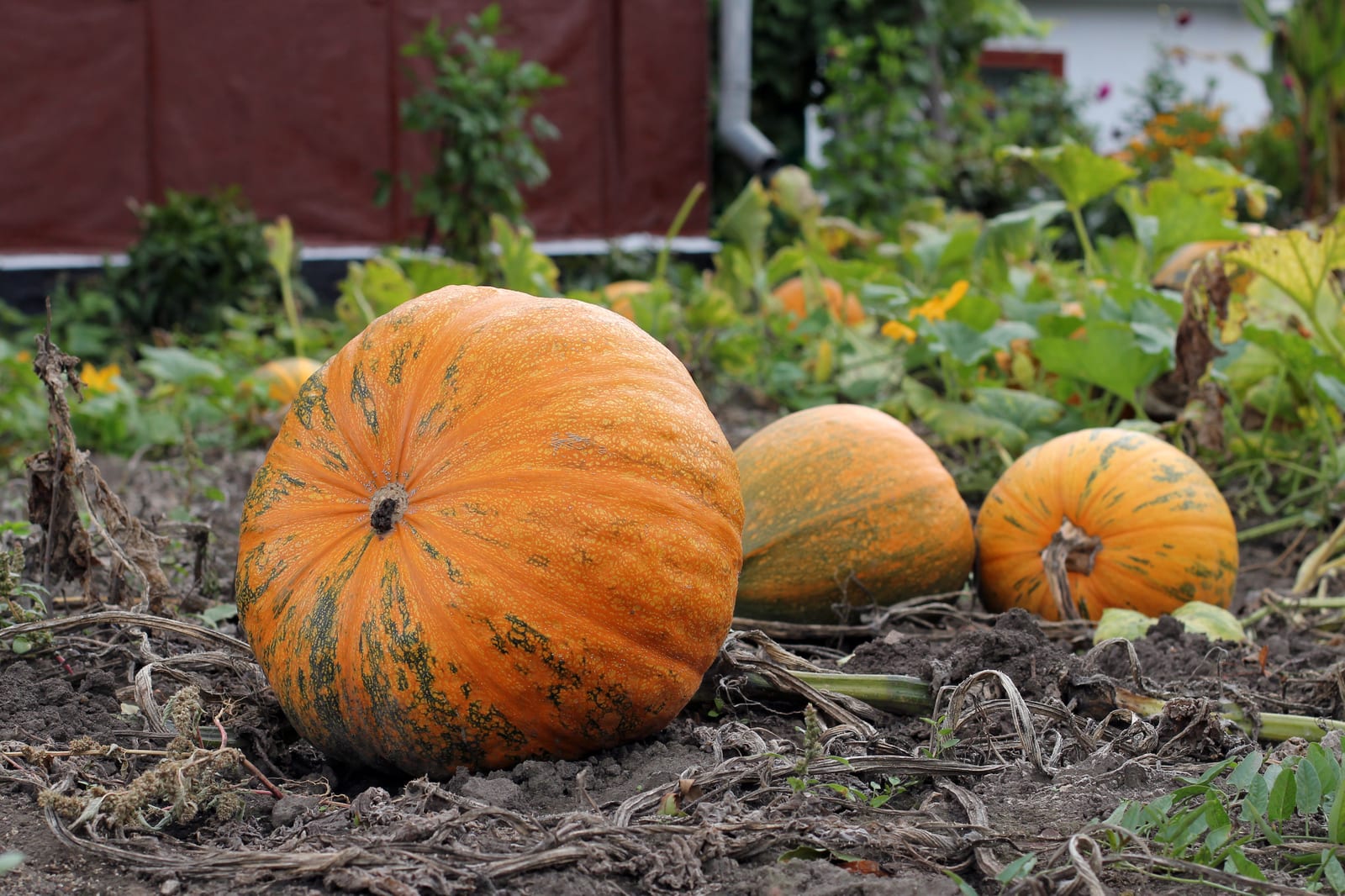
Pumpkin
Cucurbita pepo
Classic fall harvest plant. Sprawling vines need room but reward with dramatic fruit.
Quick Facts
Sun:☀️ Full Sun
Water:💧💧 Moderate
USDA Zones:Zones 3–11
Space:🏡 Large Garden
Soil:Loam, Silty, Sandy
Best Season(s):Spring, Summer
Experience Level:🌱 Beginner
Native Range:North America
Bloom Color:Yellow-orange flowers (grown for fruit)
Bloom Cycle:Summer, single extended flush
Days to Harvest:90–120 days
Harvest Pattern:Single harvest per planting
Care Notes
Plant after last frost. Each vine needs 50–100 sq ft. Slip a piece of wood under fruit to prevent rot.
Growing Details
Mature Size:1-2 ft tall, vines sprawling 10-20 ft
Growth Rate:🐇 Fast
Zone Performance
In short-season zones (3-5), gardeners need to choose smaller pie-pumpkin varieties (100-110 days) and start as early as frost allows to reach maturity before fall frost kills the vines. In long-season zones (8-11), giant and long-season varieties become viable, and a second succession planting is sometimes possible for a late fall harvest.
Companions & Wildlife
🦌 Deer Resistance
occasionally damaged
Deer will browse pumpkin vine tips and leaves, especially young plants, though the prickly mature foliage becomes less appealing over time.
🐝 Pollinator Value
high
Large yellow-orange male and female flowers are a major draw for bumblebees, squash bees, and honeybees, all essential for fruit set since pumpkin flowers require insect pollination.
Good Companions
Corn — The Three Sisters combination — squash leaves shade the soil, retaining moisture and suppressing weeds around corn.
Green Bean — Nitrogen-fixing beans benefit the heavy-feeding squash sharing the bed, in the classic Three Sisters pattern.
Troubleshooting
⚠️ Squash vine borer causing sudden vine collapse
Wrap the base of stems with foil or fabric at planting time, and monitor for entry holes with frass, slitting the stem to remove the borer if caught early.
⚠️ Powdery mildew coating leaves late in the season
Space vines for airflow, water at the soil line rather than overhead, and apply a potassium bicarbonate or sulfur spray at first signs.
⚠️ Fruit rotting where it touches damp soil
Slip a piece of wood, cardboard, or straw under developing fruit to keep it off wet ground.
⚠️ Poor fruit set despite many flowers
Confirm both male and female flowers are present and being visited by bees; hand-pollinate with a small brush if pollinator activity is low.
✅ Pet Safety
Flesh and cooked seeds are non-toxic to cats and dogs — plain canned pumpkin is a common digestive aid for pets.
Informational only — always check with a veterinarian if you suspect your pet has eaten something it shouldn't have.