Loading…
 🔍 Click to enlarge
shrubperennial
Privet
Ligustrum spp.
Classic dense hedging shrub that takes heavy shearing well — a go-to choice for formal privacy hedges.
Quick Facts
Sun:☀️ Full Sun, ⛅ Partial Shade
Water:💧💧 Moderate
USDA Zones:Zones 5–8
Space:🌱 Small Bed, 🏡 Large Garden
Soil:Loam, Clay, Sandy
Best Season(s):Spring, Fall
Experience Level:🌱 Beginner
Native Range:Europe, North Africa & Asia (species-dependent)
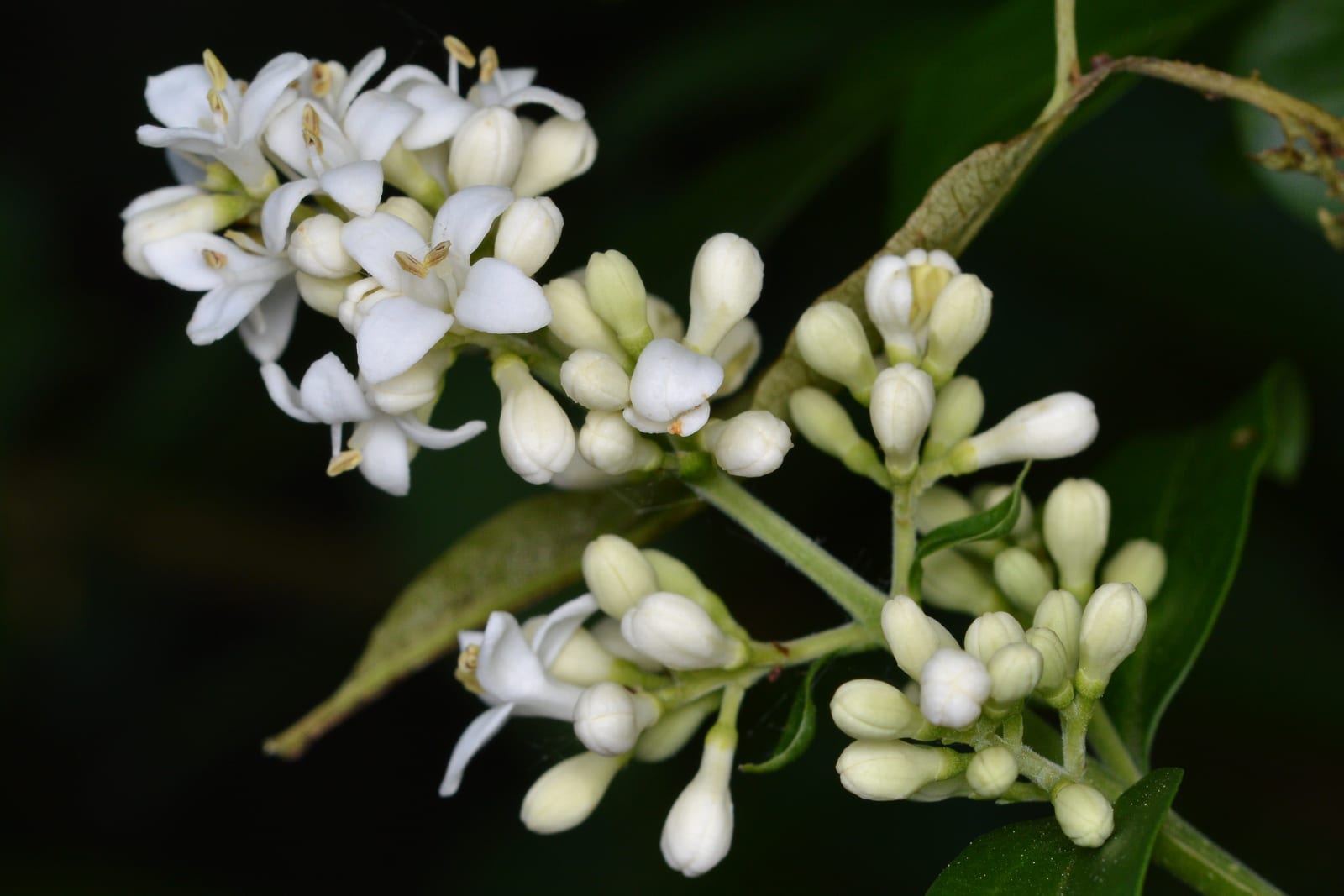
Bloom Color:Small white clusters (fragrance can be strong and, for some people, unpleasant)
Bloom Cycle:Early summer
Care Notes
Shear 2–3 times per growing season to maintain a formal hedge shape. Fast growing and very tolerant of poor soil.
Growing Details
Mature Size:8-12 ft tall, 6-8 ft wide unsheared (maintained hedges typically kept at 4-6 ft)
Growth Rate:🐇 Fast
Zone Performance
In zone 5, Privet can suffer tip dieback in unusually harsh winters, particularly on exposed sites, though it typically resprouts vigorously from the base. In zone 8, growth is even more aggressive and the plant readily seeds into surrounding areas from bird-dispersed fruit, so many regions classify it as invasive and recommend sterile cultivars or regular deadheading via shearing before fruit set.
Companions & Wildlife
🦌 Deer Resistance
seldom damaged
Deer generally avoid Privet's bitter foliage, making it a reliable hedge choice in areas with browsing pressure.
🐝 Pollinator Value
moderate
Unsheared plants produce clusters of small white flowers that attract honeybees and various native bees, though the scent is strong and unpleasant to some people.
Good Companions
Boxwood — Both take repeated shearing and can be combined in a layered formal hedge, with Privet's faster growth used as a quick screen behind slower Boxwood edging.
Climbing Hydrangea — Tolerates similar soil conditions and can be trained along a Privet hedge line for added summer bloom without competing for the same light.
Daylily — Undemanding and tolerant of the same wide range of soils, filling the foreground of a Privet hedge with summer color at a different height tier.
Troubleshooting
⚠️ Volunteer seedlings spreading into nearby natural areas
Shear before flowering to prevent fruit set, or choose a sterile cultivar, since bird-dispersed seed is the primary way Privet escapes cultivation.
⚠️ Anthracnose or twig blight causing dieback
Prune out and destroy affected branches during dry weather and improve air circulation by thinning dense growth.
⚠️ Bare, woody base from repeated shallow shearing
Every few years, cut the hedge back hard (renewal pruning) to force fresh growth low on the plant rather than shearing only the outer surface.
⚠️ Pet Safety
Berries and leaves are toxic to cats and dogs — can cause GI upset and, in quantity, more serious effects; keep pets from browsing.
Informational only — always check with a veterinarian if you suspect your pet has eaten something it shouldn't have.