Loading…
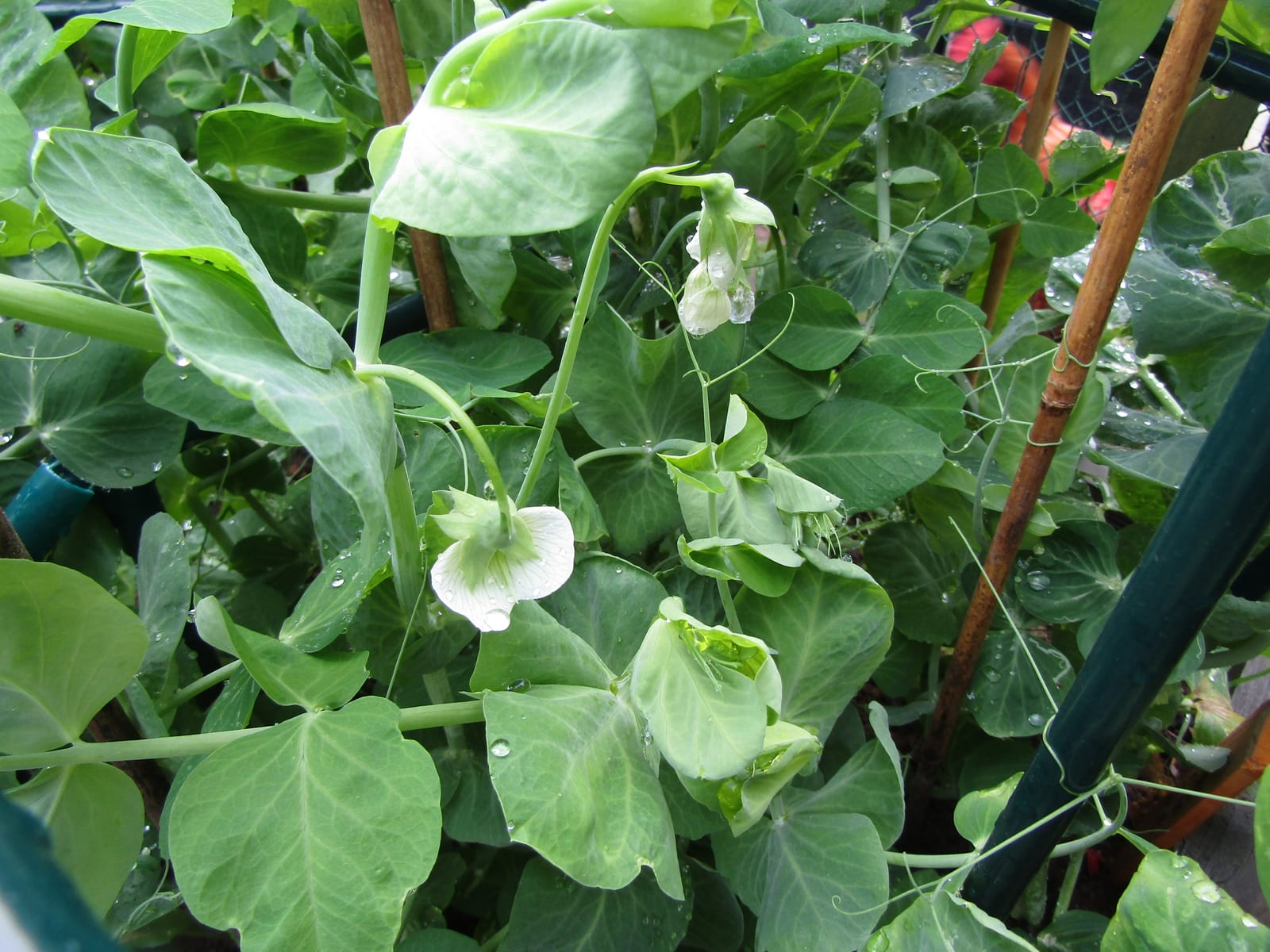 🔍 Click to enlarge
vegetableannual
Peas
Pisum sativum
Sweet, cool-season crop that fixes nitrogen in soil. Great companion plant.
Quick Facts
Sun:☀️ Full Sun, ⛅ Partial Shade
Water:💧💧 Moderate
USDA Zones:Zones 3–11
Space:🌱 Small Bed, 🏡 Large Garden
Soil:Loam, Sandy, Silty
Best Season(s):Spring, Fall
Experience Level:🌱 Beginner
Native Range:Mediterranean Basin & Near East
Bloom Color:White or purple, depending on variety
Bloom Cycle:Cool-season flush, spring or fall
Days to Harvest:55–70 days
Harvest Pattern:Continuous / cut-and-come-again
Care Notes
Direct sow as soon as soil can be worked. Provide a trellis for climbing varieties.
Growing Details
Mature Size:Bush types: 1.5-2.5 ft tall; vining types: 4-8 ft on a trellis, 1-1.5 ft wide
Growth Rate:🐇 Fast
Zone Performance
In Zones 3-6, peas are strictly a cool-season crop sown as soon as soil can be worked in early spring, since they stop producing and decline once summer heat arrives, though a second sowing 10-12 weeks before first fall frost often succeeds. In Zones 8-11, peas are grown through fall and winter instead, as summer heat there causes flowers to drop before pods can set.
Companions & Wildlife
🦌 Deer Resistance
frequently damaged
Tender vines, leaves, and young pods are highly attractive to deer, and unprotected pea rows are commonly among the first plants browsed in spring.
🐝 Pollinator Value
moderate
Flowers are largely self-pollinating, but bumblebees and other native bees do visit and can improve pod set, especially in sweet pea's edible-podded relatives.
Good Companions
Carrot — Peas fix nitrogen in the soil, benefiting the heavier-feeding carrot planted nearby.
Troubleshooting
⚠️ Flowers dropping without setting pods in warm weather
Time plantings so flowering occurs while temperatures stay below about 75°F, since heat is the primary cause of pea blossom drop.
⚠️ Powdery mildew coating leaves late in the season
Choose resistant varieties, space plants for airflow, and expect some mildew as the natural end-of-season signal to pull warm-weather plantings.
⚠️ Poor germination in cold, wet soil
Inoculate seed with rhizobium inoculant at planting and avoid sowing in waterlogged soil, since pea seed rots quickly in cold, saturated ground.
⚠️ Aphids clustering on new growth
Rinse plants with a strong water spray and encourage ladybugs and lacewings by avoiding broad-spectrum insecticides.
✅ Pet Safety
Pods and peas are non-toxic to cats and dogs in normal amounts.
Informational only — always check with a veterinarian if you suspect your pet has eaten something it shouldn't have.