Loading…
 🔍 Click to enlarge
fernperennial
Ostrich Fern
Matteuccia struthiopteris
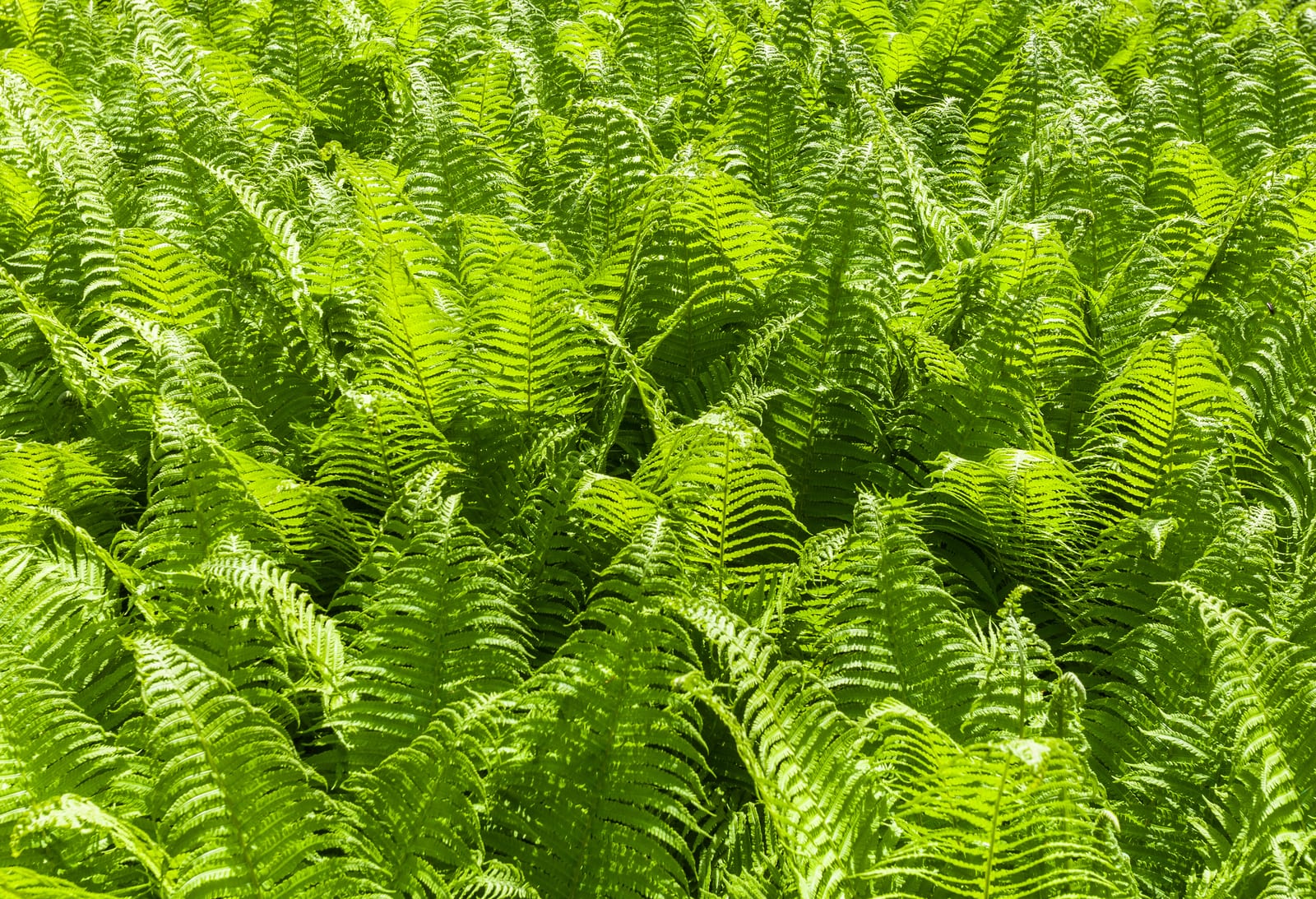
Dramatic, vase-shaped fern with tall, arching fronds. Fiddleheads are a prized spring edible.
Quick Facts
Sun:⛅ Partial Shade, 🌑 Full Shade
Water:💧💧💧 High
USDA Zones:Zones 3–7
Space:🌱 Small Bed, 🏡 Large Garden
Soil:Loam, Clay, Peaty, Silty
Best Season(s):Spring
Experience Level:🌱 Beginner
Native Range:Northern North America, Europe & Asia
Bloom Cycle:Ferns don't flower — spring fiddleheads are the seasonal highlight
Days to Harvest:Fiddleheads ready when fronds are still tightly coiled
Harvest Pattern:Continuous / cut-and-come-again
Care Notes
Loves moist, rich soil. Spreads vigorously by underground runners. Harvest fiddleheads in spring.
Growing Details
Mature Size:3-5 ft tall, 3-4 ft wide (individual crown, spreads further via runners)
Growth Rate:🐇 Fast
Zone Performance
At the northern edge of its range (Zone 3), Ostrich Fern is fully hardy but emerges later in spring and has a shorter active season, so fiddleheads appear later than in warmer zones. At its southern limit (Zone 7) it struggles with summer heat and dry spells unless given consistent moisture and cooler, shaded microclimates, since it is fundamentally a cold-climate woodland species.
Companions & Wildlife
🦌 Deer Resistance
rarely damaged
Deer rarely browse mature Ostrich Fern fronds, though the tender spring fiddleheads can occasionally attract nibbling in high-pressure areas.
🐝 Pollinator Value
none
This fern reproduces by spores and has no flowers; it offers no nectar or pollen resources for pollinators.
Good Companions
Astilbe — Both demand consistently moist, rich soil and part shade, and Astilbe's plumes add color at a lower height beneath the fern's tall vase form.
Ligularia — Thrives in the same damp, shady conditions and its bold rounded leaves contrast well with the fern's finely cut fronds.
Siberian Iris — Tolerates the moist to wet soil Ostrich Fern prefers, and its upright grassy foliage complements the fern's fountain-like habit near pond edges or rain gardens.
Virginia Bluebells — Both are vigorous spreading woodland natives that go dormant or die back seasonally, filling shady, moist beds without competing for the same bloom season.
Troubleshooting
⚠️ Aggressive spreading beyond the intended bed
Install a root barrier or divide and remove runners annually, since this fern spreads vigorously by underground rhizomes and can quickly outcompete neighbors.
⚠️ Browning fronds in mid-to-late summer
Increase watering and mulch to retain soil moisture; this fern goes into decline once soil dries out or temperatures climb, especially at the warm end of its range.
⚠️ Fiddlehead beetle or slug damage on new growth
Inspect emerging fiddleheads in early spring and hand-pick pests or apply iron phosphate slug bait before fronds unfurl.
⚠️ Sparse growth in dry shade
Relocate to a consistently moist site near a downspout, pond, or low area; Ostrich Fern will not thrive in typical dry shade under mature trees.
✅ Pet Safety
Non-toxic to cats and dogs; the young fiddleheads are the edible part for humans and must be cooked before eating.
Informational only — always check with a veterinarian if you suspect your pet has eaten something it shouldn't have.