Loading…
 🔍 Click to enlarge
herbperennial💧 Hydroponic-Compatible
Oregano
Origanum vulgare
Essential Mediterranean herb for pizza, pasta, and grilling. Spreads readily.
Quick Facts
Sun:☀️ Full Sun
Water:💧 Low
USDA Zones:Zones 4–10
Space:🪴 Container, 🌱 Small Bed, 🏡 Large Garden
Soil:Sandy, Loam, Chalky
Best Season(s):Spring
Experience Level:🌱 Beginner
Native Range:Mediterranean & Western Asia
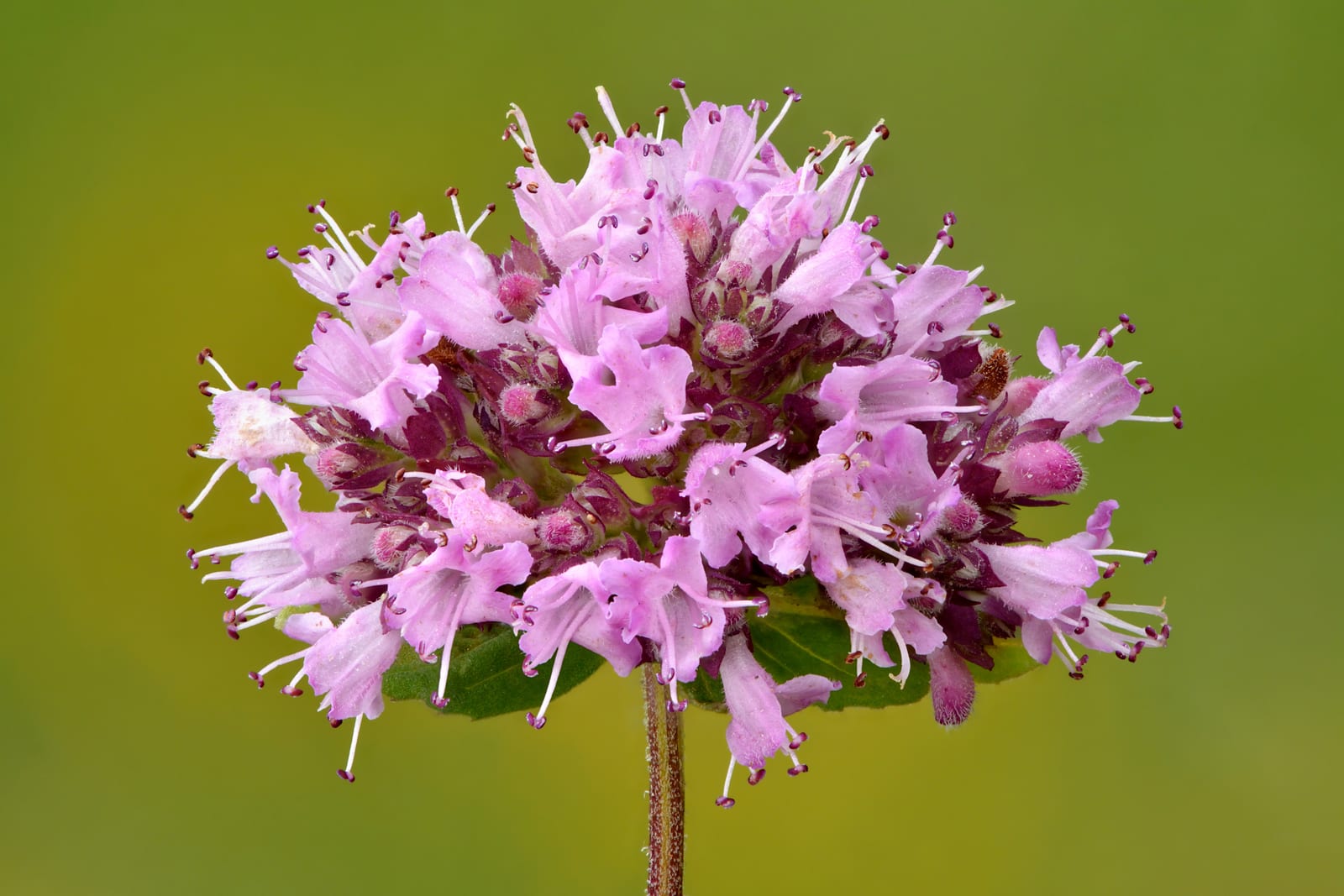
Bloom Color:Pink-purple to white
Bloom Cycle:Mid-to-late summer
Days to Harvest:6–8 weeks in hydro
Harvest Pattern:Perennial — produces year after year
Care Notes
Harvest before flowers open for best flavor. Cut back by two-thirds in midsummer to rejuvenate.
💧 Hydroponic Notes
Thrives in Kratky or NFT. Prefers slightly drier conditions like rosemary. Pinch regularly for bushy growth. Strong flavor develops with good lighting.
Growing Details
Mature Size:1-2 ft tall, 1.5-2 ft wide, spreading by rhizomes
Growth Rate:🐇 Fast
Zone Performance
Oregano is reliably perennial through its full Zone 4-10 range, but its spreading vigor scales up with warmth: in cooler Zone 4-5 gardens it forms a manageable, well-behaved clump, while in Zone 8-10 the same rhizomatous spreading habit can become aggressive enough that gardeners there often contain it in a bed edged with buried barrier material.
Companions & Wildlife
🦌 Deer Resistance
rarely damaged
Oregano's pungent, oil-rich foliage is reliably left alone by deer even under heavy browsing pressure.
🐝 Pollinator Value
high
The small pink-purple summer flowers are a favorite of honeybees, bumblebees, and numerous butterfly species.
Good Companions
Broccoli — Oregano's dense, aromatic groundcover habit is reputed to confuse cabbage moths seeking brassica hosts.
Pepper — Oregano's strong scent can help mask peppers from aphids and other pests that locate host plants by smell.
Grape — Traditional Mediterranean vineyard pairing; oregano tolerates the same lean, well-drained soil and doesn't compete with grape roots.
Rosemary — Both are drought-tolerant Mediterranean natives sharing identical sun and drainage requirements.
Troubleshooting
⚠️ Flavor becoming weak or diluted in overly rich or wet soil
Grow in lean, well-drained soil with minimal fertilizer — like most Mediterranean herbs, oregano's essential oil concentration drops under overly generous conditions.
⚠️ Spreading aggressively beyond its intended bed
Divide and thin the clump every couple of years, or install a buried edging barrier to contain rhizome spread.
⚠️ Powdery mildew in humid or crowded plantings
Cut back by two-thirds in midsummer to open up airflow and stimulate fresh, cleaner regrowth.
⚠️ Leggy, sprawling stems with sparse foliage
Pinch growing tips regularly and harvest before flowering to keep the plant bushy and compact.
✅ Pet Safety
Non-toxic to cats and dogs in normal culinary amounts.
Informational only — always check with a veterinarian if you suspect your pet has eaten something it shouldn't have.
🌿 Traditional & Medicinal Use
Traditional antimicrobial folk use, primarily as a culinary herb — see the Medicinal Herb Garden guide for detail.
Informational only, not medical advice — consult a healthcare provider before using any plant medicinally.