Loading…
 🔍 Click to enlarge
grassperennial
Muhly Grass
Muhlenbergia capillaris
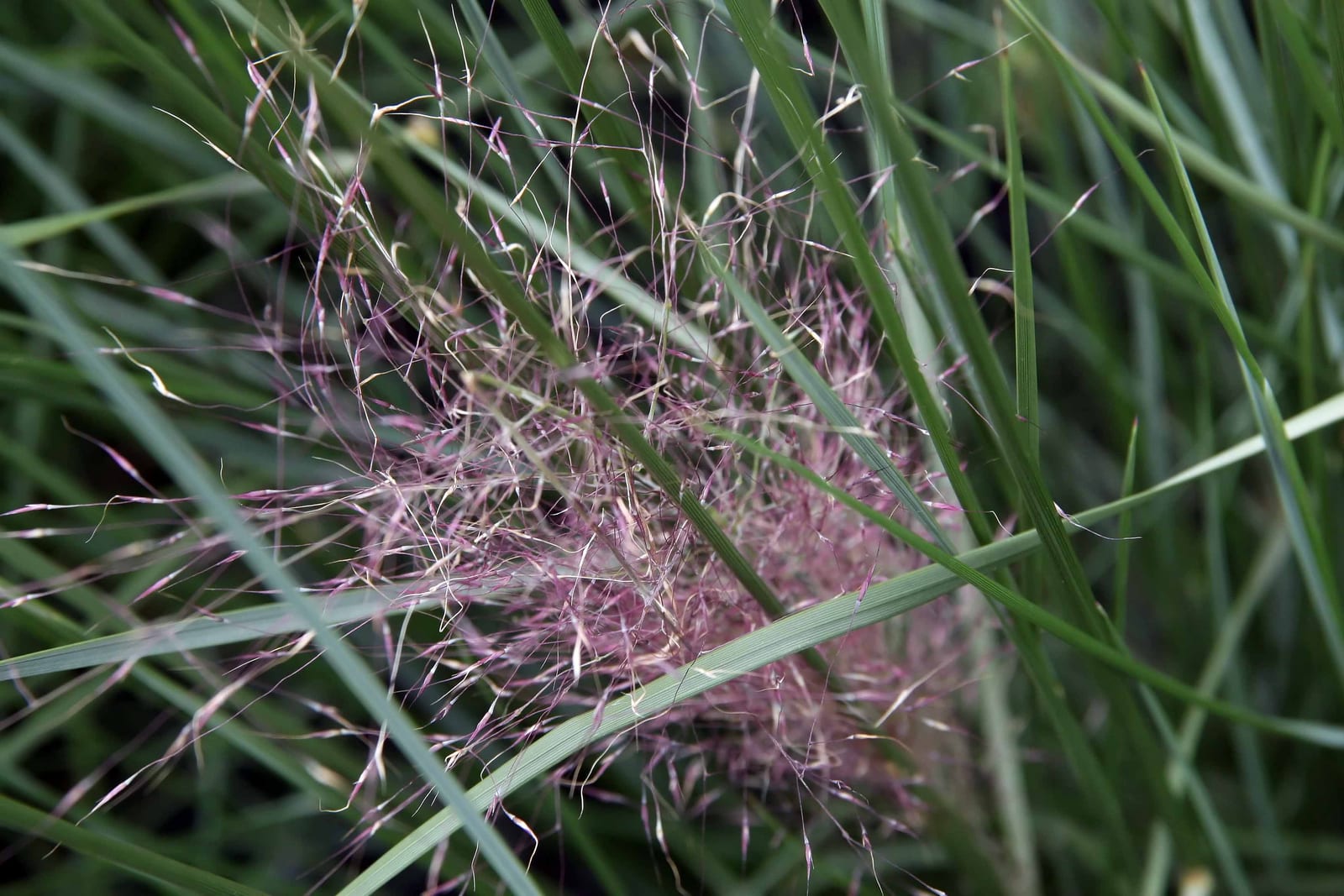
Native grass with stunning pink-purple cloud-like plumes in fall. Spectacular in mass plantings.
Quick Facts
Sun:☀️ Full Sun
Water:💧 Low
USDA Zones:Zones 6–11
Space:🌱 Small Bed, 🏡 Large Garden
Soil:Loam, Sandy, Silty
Best Season(s):Spring, Fall
Experience Level:🌱 Beginner
Native Range:Eastern & Central United States
Bloom Color:Striking pink-magenta cloud-like plumes
Bloom Cycle:Fall — one of the most dramatic seasonal displays of any ornamental grass
Care Notes
Cut back to 4–6 inches in late winter. Very drought tolerant once established. Rarely needs dividing.
Growing Details
Mature Size:2-3 ft tall and wide (to 4 ft with pink flower clouds)
Growth Rate:🌿 Moderate
Zone Performance
At the cold edge of its range (zone 6), muhly grass needs a hot, sunny, well-drained site and can suffer crown rot or fail to establish in heavy clay or wet winters. In zones 9-11, it is fully at home and often naturalizes along roadsides and in coastal sandy soils, producing its best pink plume display where summers are long and hot.
Companions & Wildlife
🦌 Deer Resistance
rarely damaged
Fine, wiry blades hold little appeal for deer, making it one of the most reliably deer-proof ornamental grasses in Southern landscapes.
🐝 Pollinator Value
low
Wind-pollinated with no true flowers, though the dense seed heads provide food for small birds through winter.
Good Companions
Yaupon Holly — A native evergreen shrub that shares the same sandy, well-drained soil preference and provides a dark green backdrop for muhly grass's pink fall plumes.
Salvia greggii — Both are heat- and drought-tolerant Southeast/Southwest natives that bloom in complementary shades of pink and red.
Agave — Bold architectural rosette form contrasts beautifully with muhly grass's soft, airy pink seed clouds in xeriscape designs.
Little Bluestem — A companion native prairie grass with blue-green summer foliage and orange fall color that extends the seasonal grass display.
Troubleshooting
⚠️ Failure to establish or crown rot over winter
Plant in full sun with excellent drainage, especially in clay soils common at the northern edge of its range; amend with sand or grit before planting.
⚠️ Sparse or absent pink plumes
Ensure at least 6-8 hours of direct sun; plants grown in part shade rarely produce the signature pink bloom color.
⚠️ Matted, floppy old growth
Cut the clump back hard to 4-6 inches in late winter before new growth emerges to keep it tidy and vigorous.
✅ Pet Safety
Generally considered non-toxic to cats and dogs.
Informational only — always check with a veterinarian if you suspect your pet has eaten something it shouldn't have.