Loading…
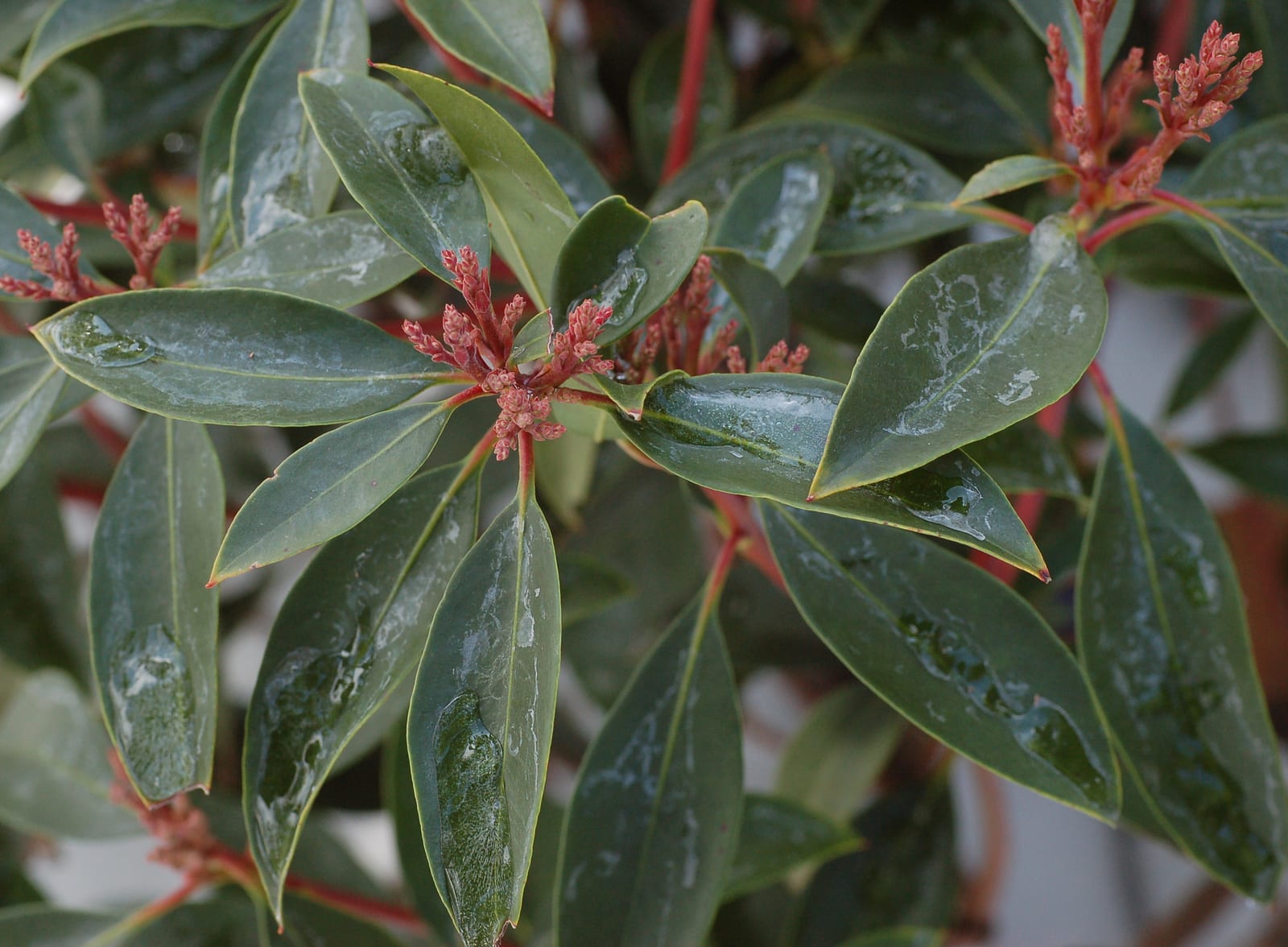 🔍 Click to enlarge
shrubperennial
Mountain Laurel
Kalmia latifolia
Native broadleaf evergreen with intricate, cup-shaped spring blooms in pink and white — a woodland-garden showpiece.
Quick Facts
Sun:⛅ Partial Shade
Water:💧💧 Moderate
USDA Zones:Zones 4–9
Space:🌱 Small Bed, 🏡 Large Garden
Soil:Peaty, Loam, Sandy
Best Season(s):Spring
Experience Level:🌿 Intermediate
Native Range:Eastern United States
Bloom Color:Pink to white, intricate cup-shaped clusters
Bloom Cycle:Late spring to early summer
Care Notes
Needs acidic, well-drained soil, like rhododendron and azalea. Avoid deep planting — roots should sit near the surface.
Growing Details
Mature Size:5-10 ft tall, 5-10 ft wide (naturally occurring stands can reach 15 ft in ideal woodland conditions)
Growth Rate:🐢 Slow
Zone Performance
At the cold edge in zone 4, plants need a sheltered woodland site protected from winter wind and sun scald, since exposed foliage can suffer significant winter burn. In zone 9 at the warm edge, Mountain Laurel struggles with heat and humidity stress and generally needs consistent afternoon shade and cool, moist root conditions to avoid decline.
Companions & Wildlife
🦌 Deer Resistance
rarely damaged
All parts of the plant are toxic and deer strongly avoid it, making Mountain Laurel one of the most reliable choices in high deer-pressure woodland gardens.
🐝 Pollinator Value
high
The distinctive spring-loaded stamens in each bloom are specifically adapted to dust visiting bumblebees with pollen, and the flowers are a significant native bee resource.
Good Companions
Rhododendron — Shares identical acidic, well-drained soil and dappled shade requirements, with staggered bloom timing extending the woodland garden's flowering season.
Eastern Hemlock — Provides the same light, filtered woodland shade Mountain Laurel needs in its native range while creating a naturalistic layered canopy.
Ferns (Christmas Fern, Wood Fern) — Thrives in the same humus-rich, consistently moist acidic soil at Mountain Laurel's base, softening its woody understory presence.
Pieris (Andromeda) — Matches Mountain Laurel's acidic soil and part-shade needs and offers early spring bloom before Mountain Laurel's own late-spring flush.
Troubleshooting
⚠️ Leaf spot disease causing purplish-brown blotches
Remove and destroy fallen infected leaves, avoid overhead watering, and improve air circulation by thinning surrounding vegetation.
⚠️ Lace bugs causing stippled, silvery leaf discoloration
Treat the undersides of leaves with horticultural oil or insecticidal soap in late spring when nymphs first appear.
⚠️ Chlorotic, yellowing foliage
Test soil pH and amend with sulfur or an acidifying fertilizer, since Mountain Laurel requires acidic soil to access iron and other nutrients.
⚠️ Pet Safety
Highly toxic to cats, dogs, and horses (grayanotoxins) — all parts of the plant; seek veterinary care immediately if ingestion is suspected.
Informational only — always check with a veterinarian if you suspect your pet has eaten something it shouldn't have.