Loading…
 🔍 Click to enlarge
flowerannual
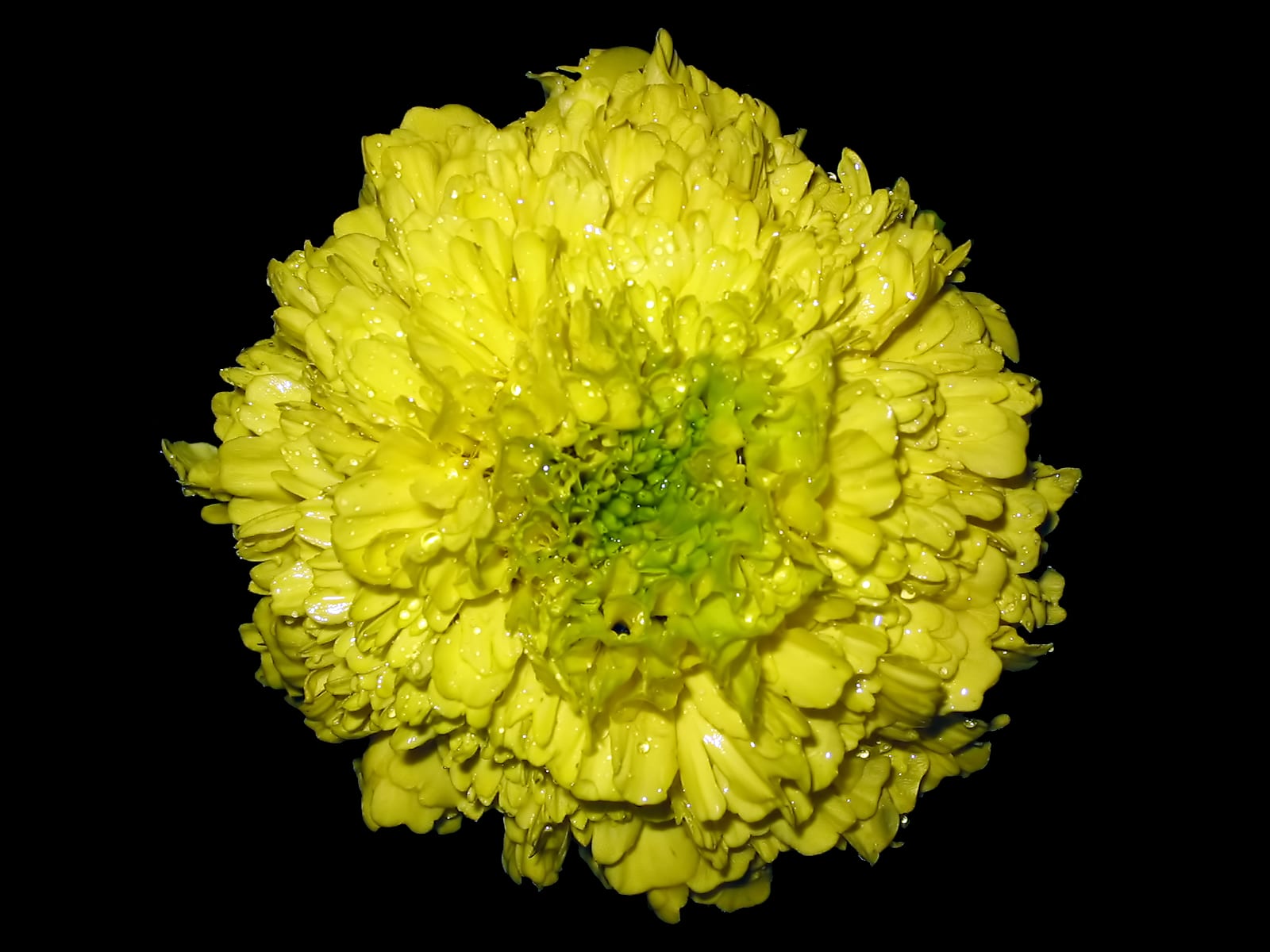
Marigold
Tagetes spp.
Bright annual that deters pests. Excellent companion plant for vegetables.
Quick Facts
Sun:☀️ Full Sun
Water:💧💧 Moderate
USDA Zones:Zones 3–11
Space:🪴 Container, 🌱 Small Bed, 🏡 Large Garden
Soil:Loam, Sandy, Silty
Best Season(s):Spring, Summer
Experience Level:🌱 Beginner
Native Range:Mexico & Central America
Bloom Color:Yellow, orange, red-gold
Bloom Cycle:Late spring through frost
Care Notes
Deadhead regularly for continuous blooms. Thrives in hot weather.
Growing Details
Mature Size:6 in-3 ft tall, 6-18 in wide depending on type (signet types stay compact, African types grow tallest)
Growth Rate:🐇 Fast
Zone Performance
As a warm-season annual, marigold is grown identically from zone 3 to 11 by waiting until after the last frost to plant or direct sow; the main difference across zones is timing and longevity, with cooler zones getting one long summer flush and hot zones (9-11) sometimes seeing plants decline in peak midsummer heat before rebounding in fall.
Companions & Wildlife
🦌 Deer Resistance
rarely damaged
The pungent, resinous scent of marigold foliage is highly effective at repelling deer, which is a major reason it's planted as a vegetable-garden border.
🐝 Pollinator Value
moderate
Attracts bees and hoverflies, though modern double-flowered cultivars offer less accessible pollen than single-flowered heirloom types.
Good Companions
Tomato — Marigold roots release compounds that suppress root-knot nematodes in the soil around tomato plants.
Squash — The strong scent of marigold foliage helps confuse and deter squash bugs and cucumber beetles.
Peppers — Marigolds attract hoverflies and lacewings whose larvae prey on aphids commonly found on pepper plants.
Basil — Both thrive in the same warm, sunny conditions and their combined scents help mask vegetable plants from egg-laying pests.
Troubleshooting
⚠️ Spider mites in hot, dry weather
Rinse foliage with a strong water spray and increase humidity around plants; severe infestations may need insecticidal soap.
⚠️ Powdery mildew late in the season
Improve air circulation by spacing plants properly and avoid wetting foliage when watering.
⚠️ Botrytis (gray mold) on flowers in wet weather
Deadhead spent and rotting blooms promptly and avoid overhead irrigation.
⚠️ Slugs on seedlings
Protect young transplants with a barrier of diatomaceous earth or crushed eggshell until established.
⚠️ Pet Safety
Mildly toxic to cats and dogs — can cause dermatitis and mild GI upset; not a serious hazard, but worth keeping pets from grazing on it.
Informational only — always check with a veterinarian if you suspect your pet has eaten something it shouldn't have.