Loading…
 🔍 Click to enlarge
fernperennial
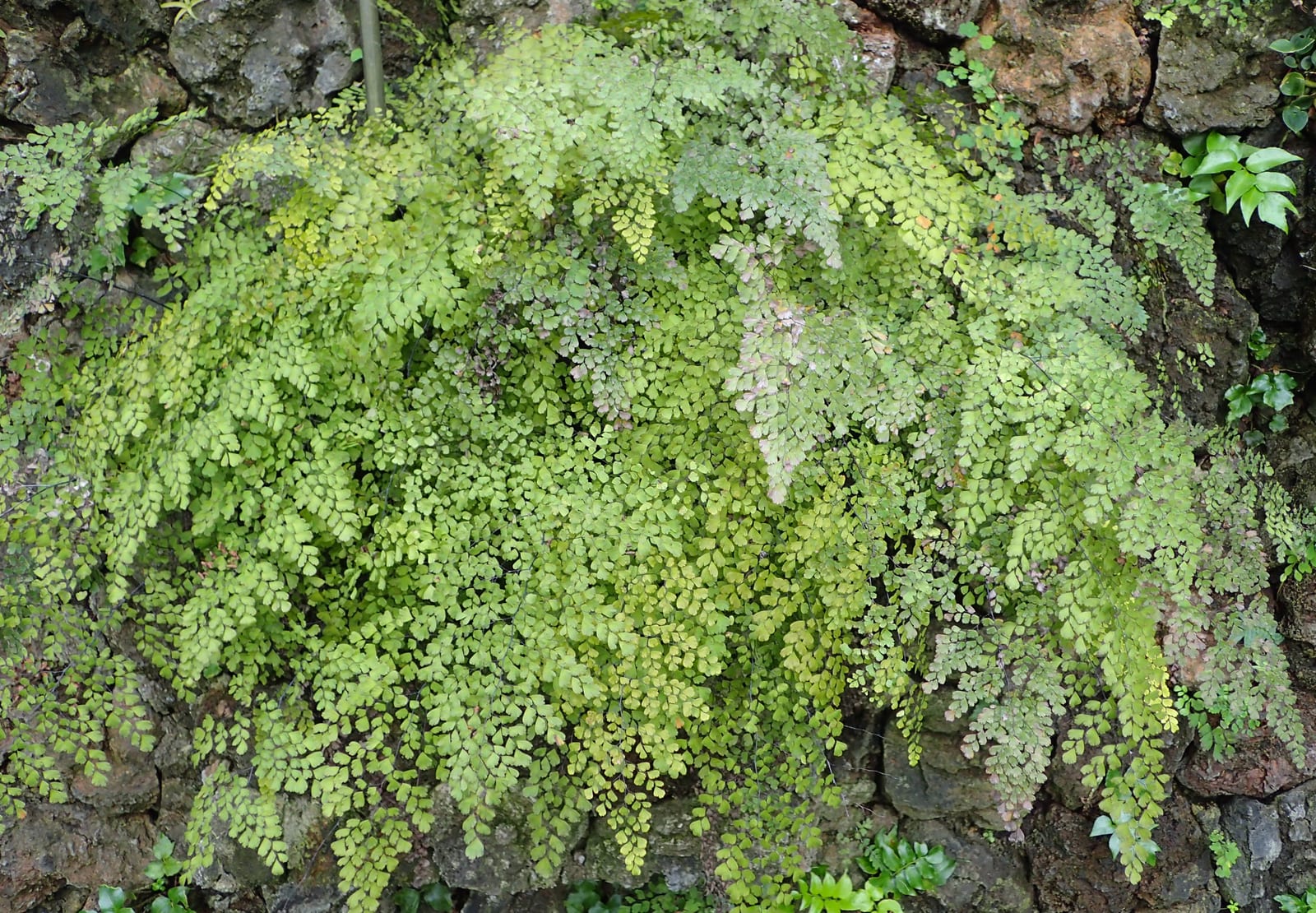
Maidenhair Fern
Adiantum raddianum
Delicate, fan-shaped fronds on wiry black stems. One of the most elegant ferns, but needs consistent care.
Quick Facts
Sun:⛅ Partial Shade, 🌑 Full Shade
Water:💧💧💧 High
USDA Zones:Zones 3–8
Space:🪴 Container, 🌱 Small Bed
Soil:Loam, Peaty, Silty
Best Season(s):Spring
Experience Level:🌳 Advanced
Native Range:Tropical Americas
Bloom Cycle:Ferns don't flower — grown for its delicate, fan-shaped foliage
Care Notes
Never let dry out — even briefly. High humidity essential. Shield from drafts and dry air indoors.
Growing Details
Mature Size:12-18 in tall, 12-18 in wide
Growth Rate:🌿 Moderate
Zone Performance
Outdoors, Maidenhair Fern is hardy only in the warmer half of its listed range (roughly Zones 6-8) with reliable winter protection; in Zones 3-5 it is essentially grown as a houseplant or seasonal container specimen since it cannot survive freezing ground temperatures. Even at its hardier zones, it needs a sheltered, humid microclimate such as a shaded courtyard or north-facing foundation bed to avoid winter desiccation.
Companions & Wildlife
🦌 Deer Resistance
rarely damaged
Maidenhair Fern's delicate fronds are not a preferred deer browse, though it is typically grown in protected shade beds or containers where deer pressure is less of a concern anyway.
🐝 Pollinator Value
none
This fern spreads by spores rather than flowers and offers no nectar or pollen; it is grown entirely for its delicate foliage texture.
Good Companions
Hosta — Shares deep shade and consistent moisture needs, and its broad leaves provide contrast to the fern's delicate, fan-shaped fronds.
Coleus — In containers or shaded beds, Coleus adds bold foliage color while asking for the same evenly moist soil Maidenhair Fern requires.
African Violet — Indoors, both prefer high humidity, bright indirect light, and consistently moist (never soggy) soil, making them natural terrarium or bathroom-shelf companions.
Peace Lily — Tolerates similarly low light and high humidity, and its dramatic white blooms complement the fern's fine, airy texture in indoor groupings.
Troubleshooting
⚠️ Fronds crisping and browning rapidly
Check soil moisture daily and increase humidity immediately; this fern has almost no tolerance for drying out, even briefly, and damaged fronds won't recover.
⚠️ Leaf drop after being moved or repotted
Keep the plant in a stable, draft-free location and maintain even watering; Maidenhair Fern is highly sensitive to transplant shock and environmental changes.
⚠️ Black wiry stems with no green fronds
Cut back completely and keep soil moist in bright, indirect light; the plant often regrows from the rhizome if the crown wasn't killed by prolonged drought.
⚠️ Fine webbing and stippled fronds
Inspect for spider mites, common in the dry indoor air this fern is often exposed to, and raise humidity while treating with insecticidal soap.
✅ Pet Safety
Non-toxic to cats and dogs.
Informational only — always check with a veterinarian if you suspect your pet has eaten something it shouldn't have.