Loading…
 🔍 Click to enlarge
treeperennial
Magnolia
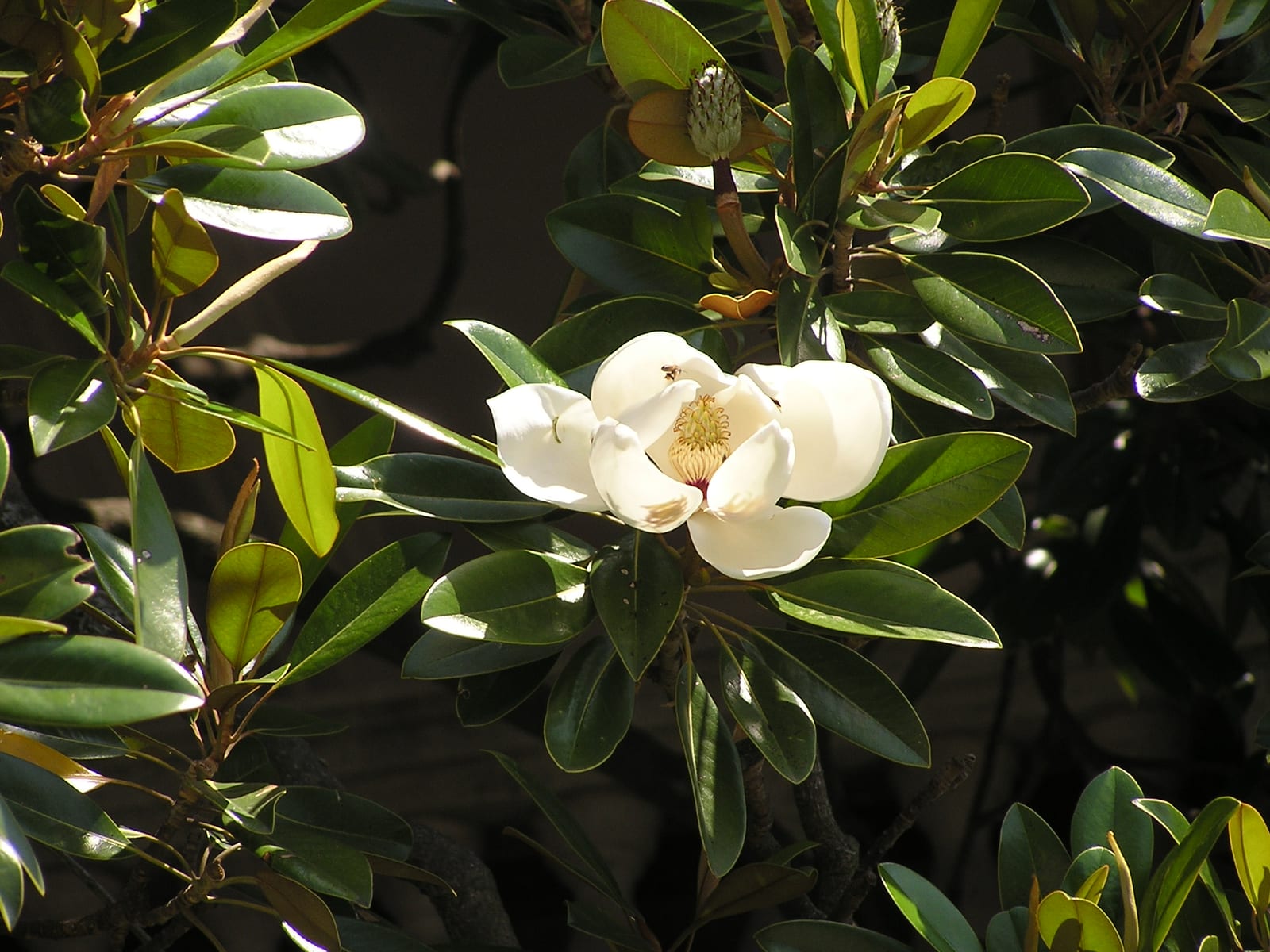
Magnolia grandiflora
Stately tree with large, fragrant blooms. Southern magnolias are evergreen; others are deciduous.
Quick Facts
Sun:☀️ Full Sun, ⛅ Partial Shade
Water:💧💧 Moderate
USDA Zones:Zones 5–9
Space:🏡 Large Garden
Soil:Loam, Silty, Peaty
Best Season(s):Spring, Fall
Experience Level:🌿 Intermediate
Native Range:Southeastern United States
Bloom Color:Large creamy white, fragrant
Bloom Cycle:Late spring through summer
Care Notes
Plant in a sheltered spot to protect early blooms from frost. Avoid disturbing shallow roots.
Growing Details
Mature Size:60-80 ft tall, 30-50 ft wide
Growth Rate:🌿 Moderate
Zone Performance
At the cold edge (Zone 5-6), southern magnolia needs a sheltered microclimate and may suffer leaf burn or dieback in harsh winters, so cold-hardy cultivars like 'Edith Bogue' or 'Bracken's Brown Beauty' are essential; in Zones 8-9 it reaches full stature and blooms most reliably, though a sheltered site still helps protect early flowers from late frost. Deciduous magnolia species (e.g., saucer magnolia) are more cold-tolerant but are more susceptible to frost-damaged blooms at the northern edge of the range.
Companions & Wildlife
🦌 Deer Resistance
rarely damaged
The tough, leathery leaves are rarely browsed, making it one of the more reliable deer-resistant large trees.
🐝 Pollinator Value
moderate
Large fragrant blooms attract beetles (an ancient pollination relationship predating bees) along with some native bees.
Good Companions
Camellia — Shares acidic, well-drained soil and partial shade tolerance while extending the flowering season into fall and winter.
Azalea — Classic Southern garden pairing sharing the same acidic soil preference and thriving beneath the magnolia's high canopy.
Cast Iron Plant (Aspidistra) — Tolerates the deep shade and dry soil found beneath a mature magnolia's dense canopy and shallow roots.
Hellebore — Winter/early-spring bloomer that fills the shaded understory where grass struggles to grow beneath the evergreen canopy.
Troubleshooting
⚠️ Yellowing leaves from alkaline soil (iron chlorosis)
Amend soil to lower pH with sulfur or use chelated iron soil drenches; avoid planting near concrete foundations that leach lime.
⚠️ Scale insects on leaves and stems
Treat with horticultural oil in late winter before new growth emerges.
⚠️ Frost damage to early spring blooms
Site the tree away from low frost pockets and eastern exposures where rapid morning thaw worsens damage.
✅ Pet Safety
Generally considered non-toxic to cats and dogs.
Informational only — always check with a veterinarian if you suspect your pet has eaten something it shouldn't have.