Loading…
 🔍 Click to enlarge
treeperennial
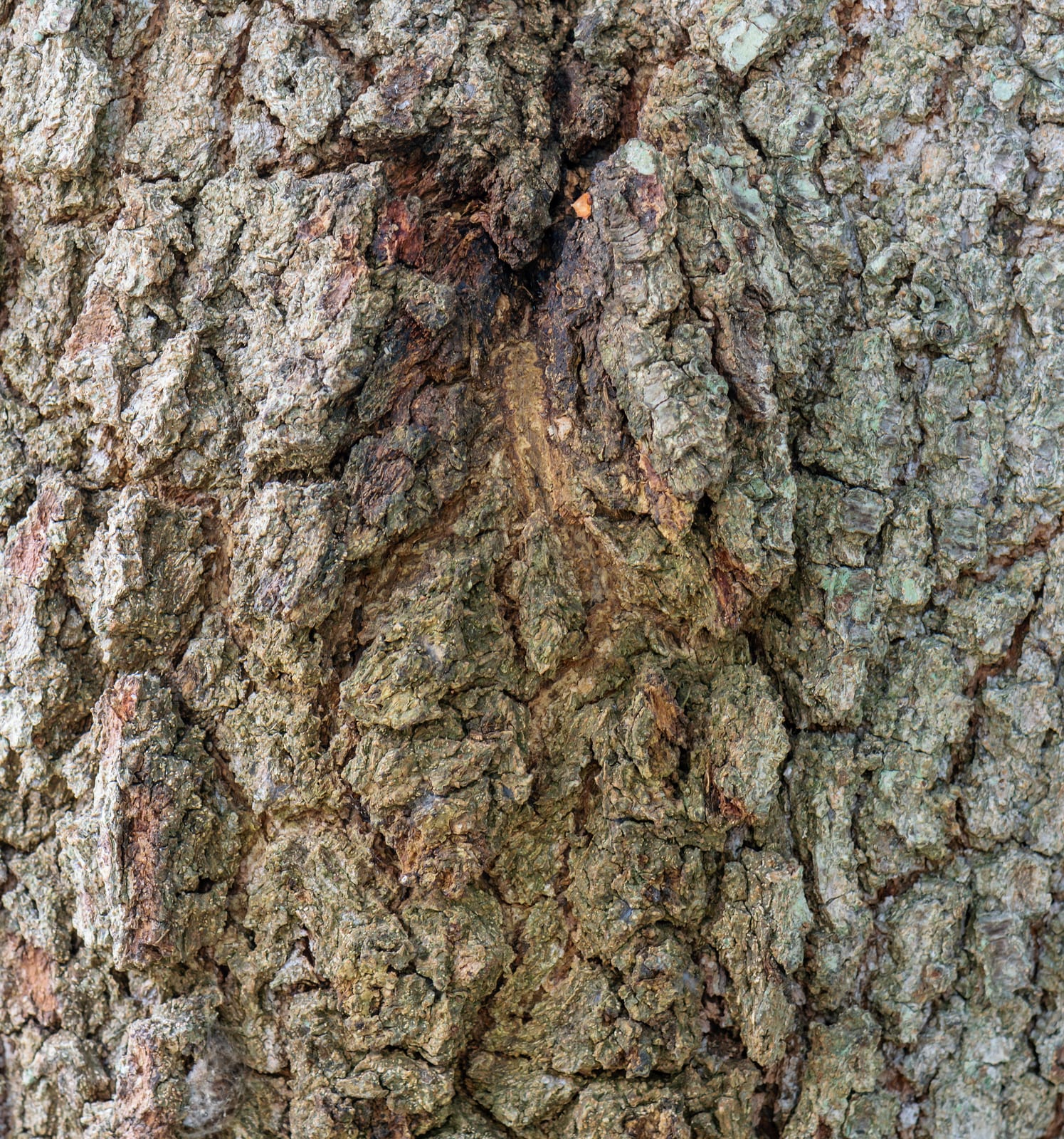
Live Oak
Quercus virginiana
Iconic sprawling evergreen oak of the Southeast and Gulf Coast, with broad canopies often draped in Spanish moss.
Quick Facts
Sun:☀️ Full Sun
Water:💧💧 Moderate
USDA Zones:Zones 7–10
Space:🏡 Large Garden
Soil:Loam, Sandy, Clay
Best Season(s):Spring, Fall
Experience Level:🌿 Intermediate
Native Range:Southeastern United States & Gulf Coast
Bloom Color:Catkins, inconspicuous (grown for its evergreen canopy)
Bloom Cycle:Spring
Care Notes
Needs a wide-open space — mature canopies can spread 60–100 ft. Extremely wind and hurricane resistant once established.
Growing Details
Mature Size:40-60 ft tall, 60-100 ft wide
Growth Rate:🌿 Moderate
Zone Performance
At the cool edge (zone 7), live oak is evergreen in mild winters but can suffer significant leaf burn or partial defoliation during hard freezes. In zones 9-10 along the Gulf Coast it reaches its full iconic form with massive lateral spread and is essentially problem-free once established.
Companions & Wildlife
🦌 Deer Resistance
seldom damaged
Tough, leathery leaves are not a preferred browse, though deer may nibble young transplants.
🐝 Pollinator Value
moderate
Spring catkins feed early-season native bees, and the heavy acorn crop is a major food source for wild turkey, deer, and songbirds.
Good Companions
Resurrection Fern — Naturally epiphytic on live oak's broad limbs, adding texture without competing for root space.
Spanish Moss — The classic companion epiphyte that drapes live oak's horizontal branches in the Deep South.
Muhly Grass — Sun-loving ornamental grass that thrives at the dappled edge of a live oak's expansive canopy.
Azalea — Understory shrub that appreciates the filtered light and acidic soil found beneath a mature live oak.
Troubleshooting
⚠️ Oak wilt fungal disease
Avoid pruning between February and June when sap beetles are active, and sterilize tools between cuts.
⚠️ Spanish moss buildup weighing down limbs
This is largely cosmetic and not harmful, but excessive moss can be thinned manually if desired.
⚠️ Limited root space under pavement in urban settings
Use structural soil or root pathways when planting near sidewalks and driveways to prevent future heaving.
⚠️ Pet Safety
Acorns and young leaves are toxic to cats and dogs in quantity (tannins) — usually low-risk from occasional acorn snacking.
Informational only — always check with a veterinarian if you suspect your pet has eaten something it shouldn't have.