Loading…
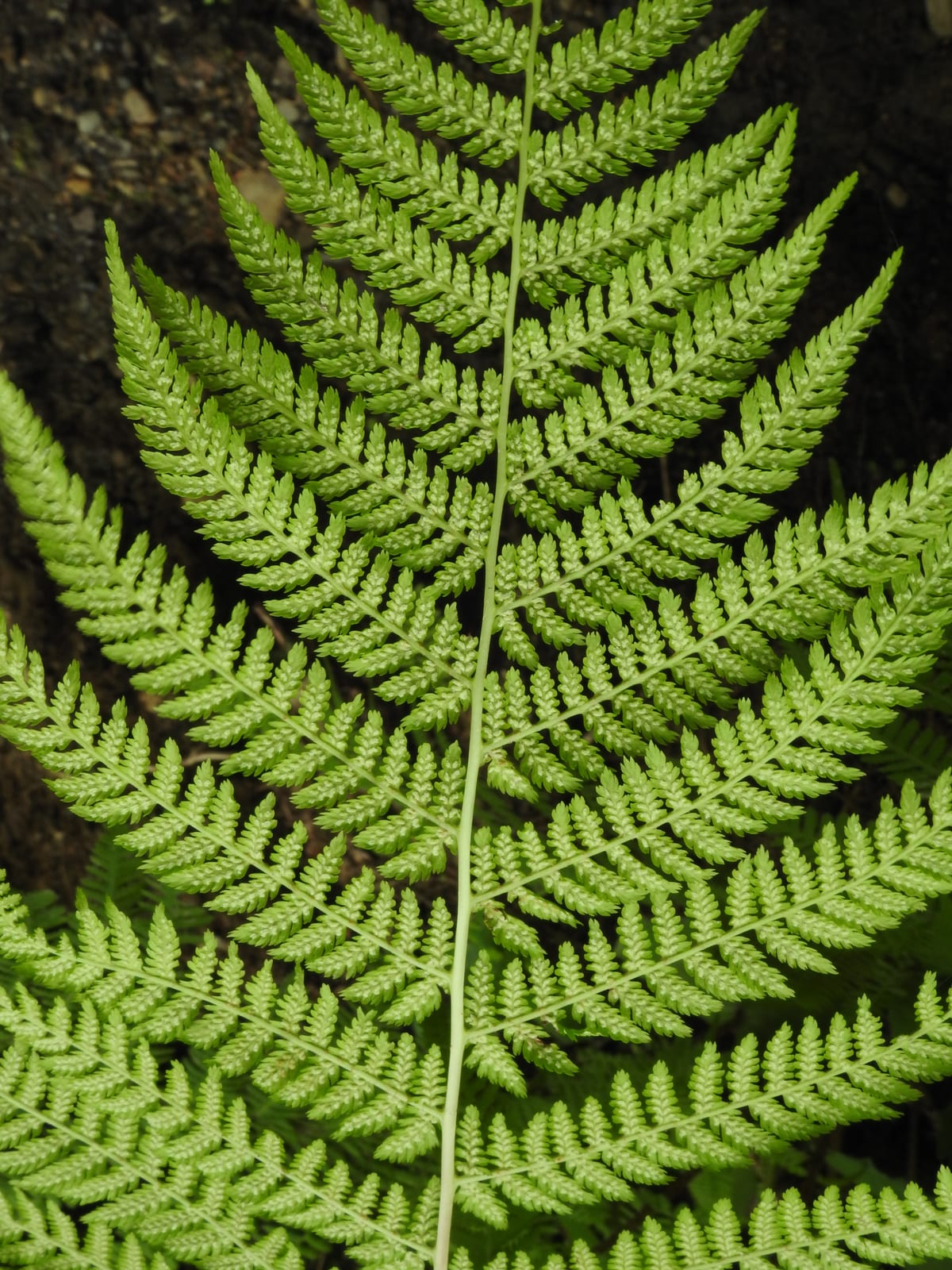 🔍 Click to enlarge
fernperennial
Lady Fern
Athyrium filix-femina
Graceful, lacy native fern with arching fronds. One of the most adaptable ferns for home gardens.
Quick Facts
Sun:⛅ Partial Shade, 🌑 Full Shade
Water:💧💧 Moderate
USDA Zones:Zones 3–8
Space:🌱 Small Bed, 🏡 Large Garden
Soil:Loam, Peaty, Clay, Silty
Best Season(s):Spring
Experience Level:🌱 Beginner
Native Range:Northern Hemisphere (widespread)
Bloom Cycle:Ferns don't flower — grown for its lacy, finely-cut foliage
Care Notes
Tolerates a range of soil conditions. Cut back old fronds in late winter. Spreads slowly by rhizomes.
Growing Details
Mature Size:2-3 ft tall, 2-3 ft wide
Growth Rate:🌿 Moderate
Zone Performance
At the cold edge (Zone 3) Lady Fern dies back completely each winter and re-emerges reliably in spring, tolerating harsh winters without protection. At the warm edge (Zone 8) it needs consistently moist soil and deeper shade to handle summer heat, since it is a cool-climate woodland native that goes dormant early if conditions turn hot and dry.
Companions & Wildlife
🦌 Deer Resistance
rarely damaged
Deer generally leave Lady Fern alone due to its fibrous texture, making it a reliable native choice for shady woodland gardens with browsing pressure.
🐝 Pollinator Value
none
As a fern, it reproduces via spores and has no flowers, offering no direct pollinator forage but contributing habitat structure for shade-loving insects and amphibians.
Good Companions
Foamflower (Tiarella) — A native woodland groundcover that shares Lady Fern's moist, part-to-full shade requirements and fills in around its base with spring flowers.
Wild Ginger (Asarum canadense) — Low, spreading native groundcover that thrives in the same rich, moist woodland soil and provides textural contrast beneath the fern's arching fronds.
Solomon's Seal (Polygonatum) — Shares native woodland shade conditions and its arching stems and bell flowers complement Lady Fern's lacy foliage in a naturalistic planting.
Bleeding Heart (Dicentra) — Blooms in spring in the same part-shade, humus-rich soil, with Lady Fern's fronds filling in as the Bleeding Heart goes dormant in summer heat.
Troubleshooting
⚠️ Fronds collapsing or browning in summer heat
Increase watering frequency and mulch to conserve soil moisture, especially in warmer zones where summer heat stresses this cool-climate native.
⚠️ Slow to spread or fill in
Top-dress annually with compost and be patient, since Lady Fern spreads slowly by rhizomes compared to more aggressive spreading ferns like Ostrich Fern.
⚠️ Slug and snail feeding on new fiddleheads
Apply iron phosphate bait in early spring as fiddleheads emerge, when foliage is most tender and vulnerable.
⚠️ Yellowing fronds in heavy clay soil
Amend planting area with compost to improve drainage; while Lady Fern tolerates clay better than many ferns, waterlogged roots can still cause decline.
✅ Pet Safety
Non-toxic to cats and dogs.
Informational only — always check with a veterinarian if you suspect your pet has eaten something it shouldn't have.