Loading…
 🔍 Click to enlarge
shrubperennial
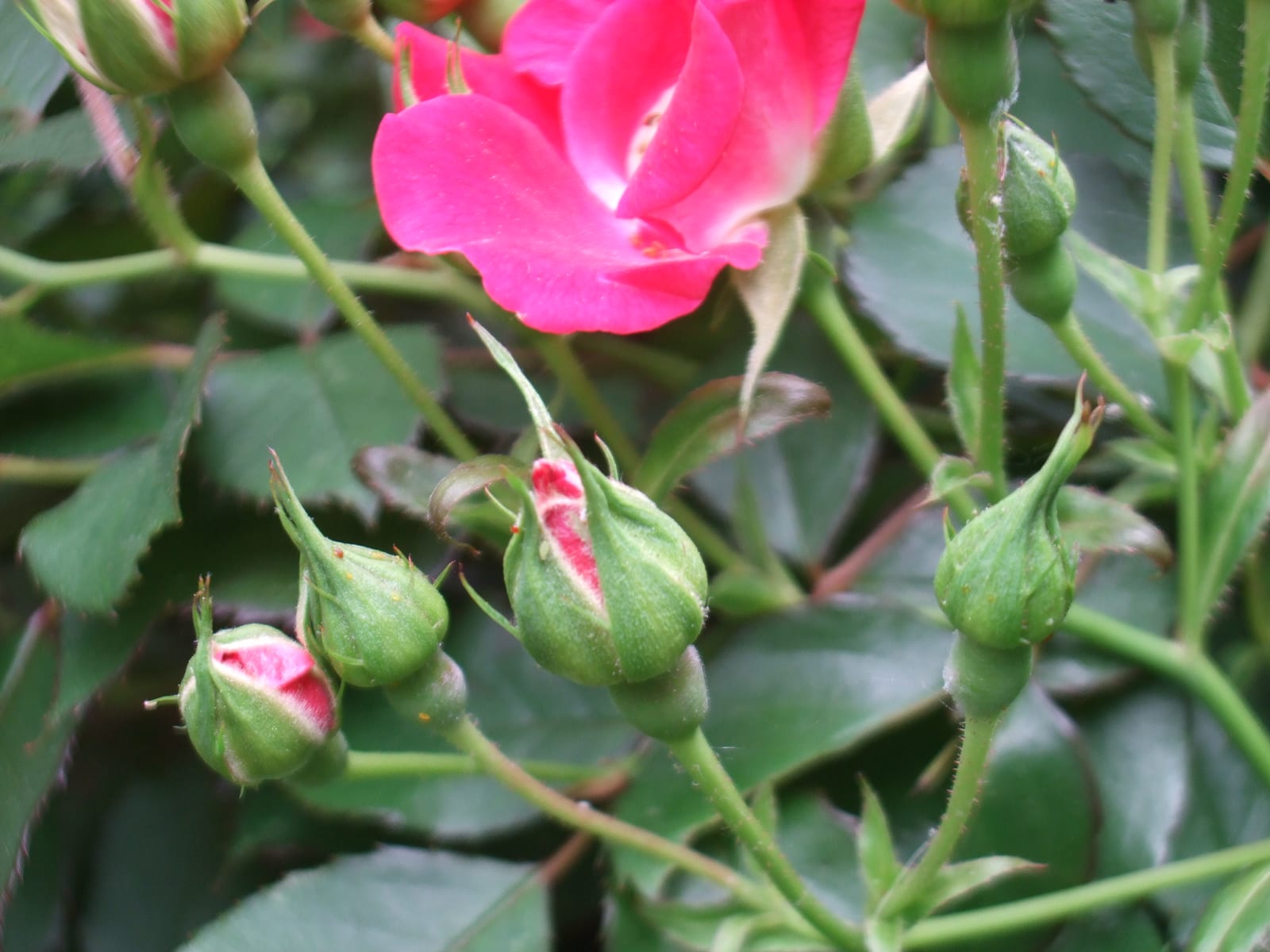
Knockout Rose
Rosa × 'Knock Out'
Disease-resistant rose that blooms continuously spring through frost.
Quick Facts
Sun:☀️ Full Sun
Water:💧💧 Moderate
USDA Zones:Zones 4–11
Space:🌱 Small Bed, 🏡 Large Garden
Soil:Loam, Clay, Silty
Best Season(s):Spring
Experience Level:🌱 Beginner
Native Range:Cultivated hybrid (rose species native to Asia/Europe/N. America)
Bloom Color:Red, pink, coral, yellow (repeat-blooming)
Bloom Cycle:Late spring through frost, continuous
Care Notes
Prune in early spring. Fertilize monthly through summer for best blooms.
Growing Details
Mature Size:3-4 ft tall, 3-4 ft wide
Growth Rate:🐇 Fast
Zone Performance
In Zone 4-5, plants may experience some cane dieback in harsh winters and benefit from a mounded mulch collar at the base; in Zones 9-10 the shrub blooms nearly year-round with only a brief winter pause and needs more frequent deadheading and fertilizing to sustain the extended bloom season.
Companions & Wildlife
🦌 Deer Resistance
occasionally damaged
More deer-resistant than hybrid tea roses due to thicker foliage, but hungry deer in high-pressure areas will still browse buds and canes.
🐝 Pollinator Value
moderate
Single-petaled blooms are accessible to bees, especially bumblebees and honeybees, though the flowers offer little fragrance to attract broader pollinator traffic.
Good Companions
Catmint (Nepeta) — Its sprawling blue-purple flowers mask bare rose stems at the base and shares the same full-sun, well-drained preference.
Salvia 'May Night' — Repeat-blooms on a similar cycle, giving continuous color contrast against the rose's pink or red blooms.
Boxwood — A clipped boxwood edge gives Knockout Rose's informal mounded form structure in a formal bed layout.
Lavender — Shares drought tolerance and full sun, and its gray foliage sets off the rose's glossy green leaves.
Troubleshooting
⚠️ Rose rosette disease (witches'-broom growth)
Remove and destroy infected canes or the entire plant immediately, since there is no cure and the mite-vectored virus spreads to nearby roses.
⚠️ Black spot in humid climates
Water at the base rather than overhead, ensure good air circulation between plants, and clean up fallen leaves in autumn.
⚠️ Japanese beetle feeding on blooms
Hand-pick beetles into soapy water in early morning and avoid pheromone traps, which tend to attract more beetles than they catch.
✅ Pet Safety
Generally considered non-toxic to cats and dogs; thorns are more of a physical hazard than the plant tissue itself.
Informational only — always check with a veterinarian if you suspect your pet has eaten something it shouldn't have.