Loading…
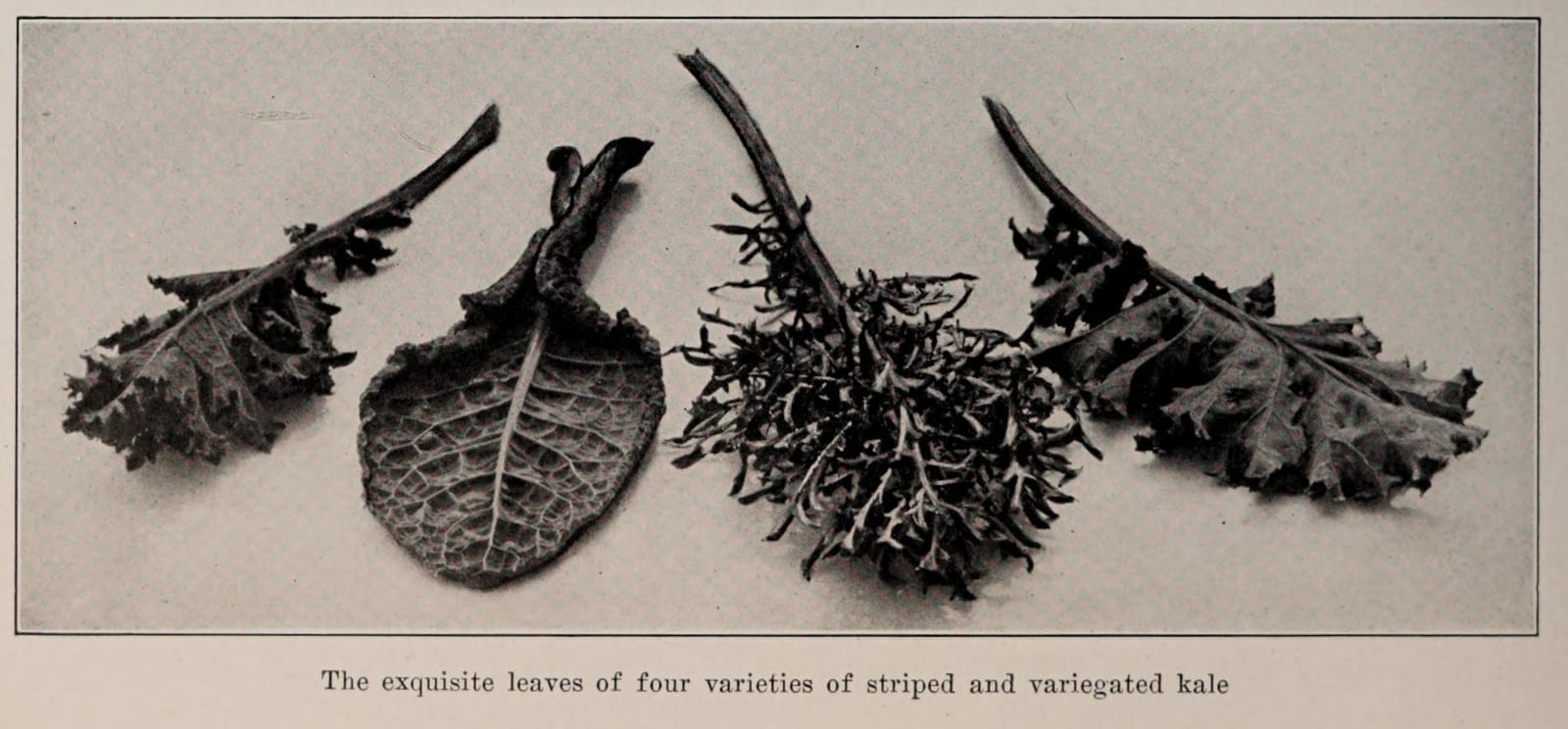 🔍 Click to enlarge
vegetablebiennial💧 Hydroponic-Compatible
Kale
Brassica oleracea (Acephala Group)
Superfood green that gets sweeter after frost. One of the hardiest vegetables.
Quick Facts
Sun:☀️ Full Sun, ⛅ Partial Shade
Water:💧💧 Moderate
USDA Zones:Zones 3–11
Space:🪴 Container, 🌱 Small Bed, 🏡 Large Garden
Soil:Loam, Clay, Silty
Best Season(s):Spring, Fall, Winter
Experience Level:🌱 Beginner
Native Range:Mediterranean & Atlantic Europe
Bloom Color:Small yellow flowers if allowed to bolt (grown for leaves)
Bloom Cycle:Bolts to bloom in its second year or in heat
Days to Harvest:40–60 days in hydro
Harvest Pattern:Continuous / cut-and-come-again
Care Notes
Harvest outer leaves first. Frost improves flavor. Repels very few pests.
💧 Hydroponic Notes
Grows fast in NFT or DWC. Harvest outer leaves continuously. Needs slightly cooler temperatures than other hydro crops — ideal at 60–70°F.
Growing Details
Mature Size:1.5-2.5 ft tall, 1.5-2 ft wide
Growth Rate:🌿 Moderate
Zone Performance
In Zones 3-6, kale is prized as a hardy crop that survives light frost and even snow cover, with flavor actually improving after a cold snap converts starches to sugars; a fall planting can often be harvested well into winter under row cover. In Zones 9-11, it performs best as a fall-through-spring crop, since prolonged summer heat causes bitterness and bolting, and gardeners there avoid summer sowings entirely.
Companions & Wildlife
🦌 Deer Resistance
occasionally damaged
Deer will browse kale, especially young transplants, but its slightly bitter, sulfurous flavor makes it somewhat less preferred than softer greens like lettuce.
🐝 Pollinator Value
low
Grown for leaves and typically harvested before bolting, kale offers minimal pollinator value unless left to flower, when its yellow blooms attract small native bees.
Good Companions
Dill — Dill's flowers attract parasitic wasps and other predatory insects that prey on brassica pests.
Troubleshooting
⚠️ Cabbage worms chewing holes in leaves
Cover plants with floating row cover to block egg-laying moths, or hand-pick green caterpillars and apply Bt (Bacillus thuringiensis) if infestations are heavy.
⚠️ Aphids clustering in curled new leaves
Rinse with a strong water spray and encourage ladybugs and parasitic wasps by interplanting with dill or alyssum.
⚠️ Leaves turning bitter and tough in summer heat
Provide afternoon shade during hot spells or shift kale plantings entirely to the cooler shoulder seasons.
⚠️ Yellowing lower leaves
This is often normal aging — simply remove old outer leaves to redirect energy to new growth, but check for nitrogen deficiency if it spreads rapidly.
✅ Pet Safety
Non-toxic to cats and dogs in normal amounts; very large quantities can affect thyroid function like other brassicas.
Informational only — always check with a veterinarian if you suspect your pet has eaten something it shouldn't have.
🌿 Traditional & Medicinal Use
A well-documented dietary source of vitamins A, C, K and antioxidants — food value, not a medicinal preparation.
Informational only, not medical advice — consult a healthcare provider before using any plant medicinally.