Loading…
 🔍 Click to enlarge
shrubperennial
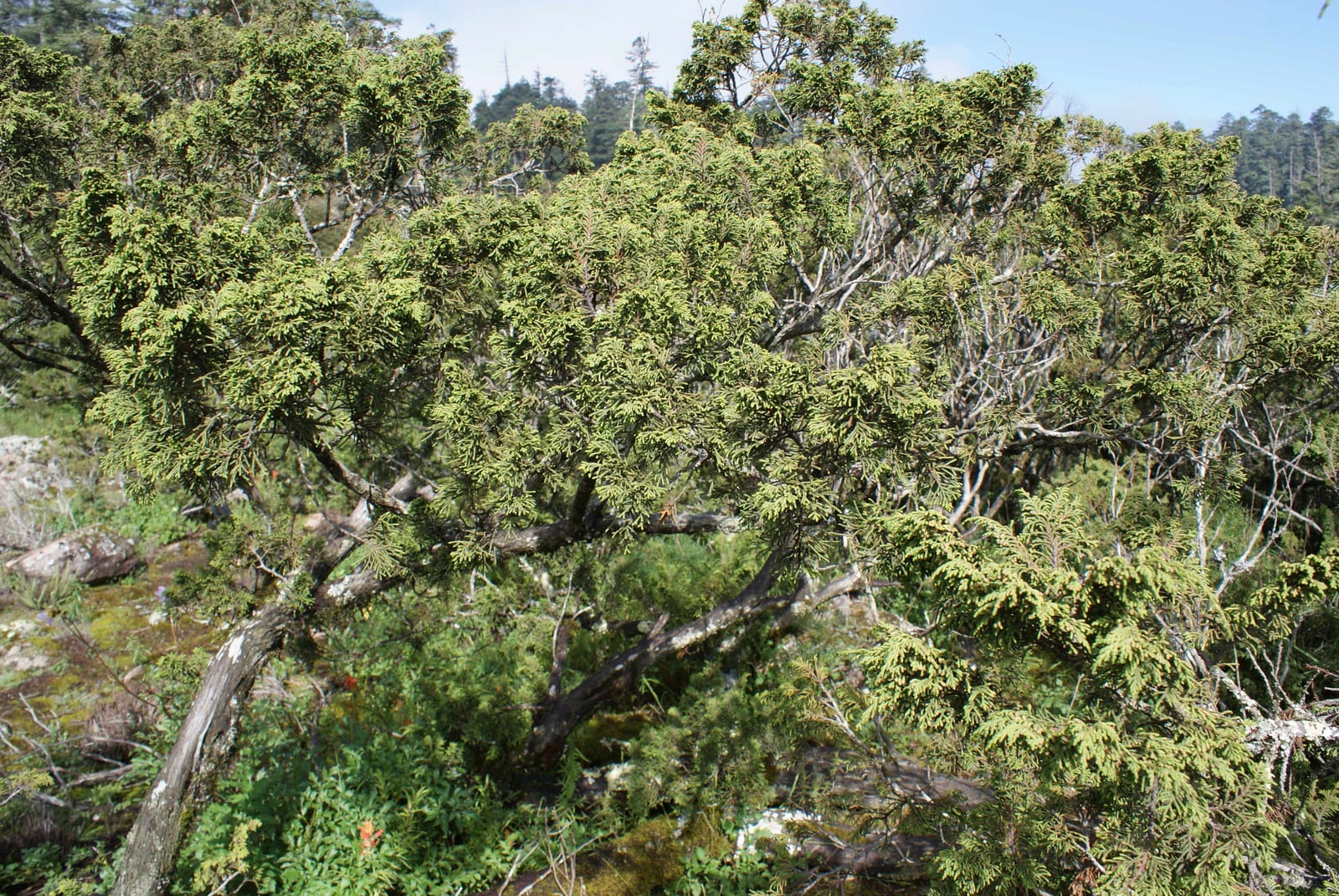
Juniper (Shrub Form)
Juniperus spp.
Extremely tough, drought-tolerant evergreen available in spreading, upright, and groundcover forms for nearly any landscape role.
Quick Facts
Sun:☀️ Full Sun
Water:💧 Low
USDA Zones:Zones 3–9
Space:🪴 Container, 🌱 Small Bed, 🏡 Large Garden
Soil:Sandy, Loam, Chalky
Best Season(s):Spring, Fall
Experience Level:🌱 Beginner
Native Range:Northern Hemisphere (widespread, species-dependent)
Bloom Cycle:Small blue berry-like cones, not grown for bloom
Care Notes
Thrives in poor, dry, rocky soil where little else grows. Avoid overhead watering — prone to fungal blight in humid, wet foliage.
Growing Details
Mature Size:1-6 ft tall, 3-10 ft wide depending on cultivar (spreading forms like 'Blue Rug' stay under 12 in tall; upright forms reach 5-6 ft)
Growth Rate:🌿 Moderate
Zone Performance
At the cold edge in zone 3, Juniper is exceptionally hardy but benefits from a site not directly exposed to reflected winter sun, which can cause needle burn on evergreen conifers. In zone 9, heat itself is rarely a problem, but the humidity common in warm, wet climates increases pressure from fungal blights, making excellent drainage and avoiding overhead irrigation especially important there.
Companions & Wildlife
🦌 Deer Resistance
rarely damaged
The sharp, aromatic foliage is highly unpalatable to deer, making Juniper one of the most reliably deer-proof shrubs available.
🐝 Pollinator Value
none
Juniper is wind-pollinated with no showy flowers, so it offers essentially no nectar or pollen value to pollinators, though its dense form provides bird shelter and some species bear berry-like cones eaten by birds.
Good Companions
Russian Sage (Perovskia) — Shares the same low-water, full-sun, sharply drained requirements and adds vertical purple bloom spikes against Juniper's low mounded or spreading texture.
Sedum (Autumn Joy) — Thrives in the same lean, dry soil conditions and provides late-season bloom and structure that Juniper's evergreen form doesn't offer.
Yucca — Tolerates identical rocky, drought-prone sites and pairs a bold architectural form with Juniper's fine needled texture.
Ornamental Grasses (Little Bluestem) — Matches Juniper's drought tolerance and poor-soil adaptability while adding movement and fall color to a xeric planting.
Troubleshooting
⚠️ Browning branch tips from Phomopsis or Kabatina twig blight
Prune out and dispose of infected branch tips during dry weather and avoid overhead watering, which spreads fungal spores onto wet foliage.
⚠️ Spider mites causing stippled, bronzed needles in hot, dry weather
Spray plants forcefully with water to dislodge mites or apply horticultural oil, and avoid drought stress, which favors mite outbreaks.
⚠️ Cedar-apple rust galls (on susceptible Juniper species)
Remove visible galls in late winter before they release spores, and avoid planting susceptible junipers within a few hundred feet of apple or crabapple trees where practical.
⚠️ Pet Safety
Mildly toxic to cats and dogs in large quantities (essential oils) — occasional browsing is low risk.
Informational only — always check with a veterinarian if you suspect your pet has eaten something it shouldn't have.